
Project case
Stadium Stand Spray Polyurea Waterproofing and Wear Protection Case
A stadium stand coating case using BW8009 primer, BW6-9527 quartz-sand repair and leveling, approximately 1.5 mm BW3-951 spray polyurea layer and BW0-8027 topcoat for waterproofing, wear resistance and exposed concrete surface protection.
- Project Type
- Stadium stand waterproofing and wear protection
- Application Area
- Outdoor concrete stadium stands, steps, seating platforms, aisles and exposed pedestrian areas
- Main Substrates
- Prepared concrete stand surfaces, steps, risers, edges, railing base areas and local details
- Service Environment
- Outdoor exposure, rainwater, sunlight, temperature changes, foot traffic, cleaning wear and stadium maintenance conditions
- Coating Approach
- BW8009 primer + BW6-9527 with quartz sand repair / leveling + BW3-951 spray polyurea waterproofing and protective layer, about 1.5 mm + BW0-8027 wear-resistant weather-resistant topcoat
- Main Functions
- Waterproofing, wear resistance, surface protection, concrete substrate repair support and exposed stadium stand protection
Project information is summarized for application reference. Some project details are not disclosed due to confidentiality requirements.

Why This Coating Route Was Used for Stadium Stand Waterproofing and Wear Protection
Stadium stands are different from ordinary flat concrete roofs. They are exposed outdoor concrete structures with steps, seating platforms, aisles, parapet edges, railing bases, drainage paths, construction joints and many small transition details. During long-term service, the stands must withstand rainwater, sunlight, temperature changes, pedestrian traffic, cleaning work, local impact and repeated wet-dry cycles. If the waterproofing and protective layer is weak or discontinuous, water can enter through cracks, joints, step edges and concrete defects, eventually leading to leakage, surface deterioration, reinforcement corrosion risk and more frequent maintenance.
One of the main pain points of stadium stand waterproofing is the complexity of the surface. The substrate is not a simple flat slab. It includes horizontal tread areas, vertical risers, corners, step edges, slope transitions, railing bases and local recesses. These details can easily become weak points if the coating system does not follow the surface continuously. A waterproofing route for stadium stands therefore needs to combine surface repair, leveling, continuous membrane protection and wear-resistant exposed surface performance.
Another challenge is traffic and wear. Stadium stands are walked on by spectators, maintenance staff and cleaning teams. The exposed coating surface must resist foot traffic, abrasion, cleaning wear and outdoor weathering. A system that only focuses on waterproofing may not be enough for this application. The coating route must also provide surface durability, wear resistance and long-term exposed protection.
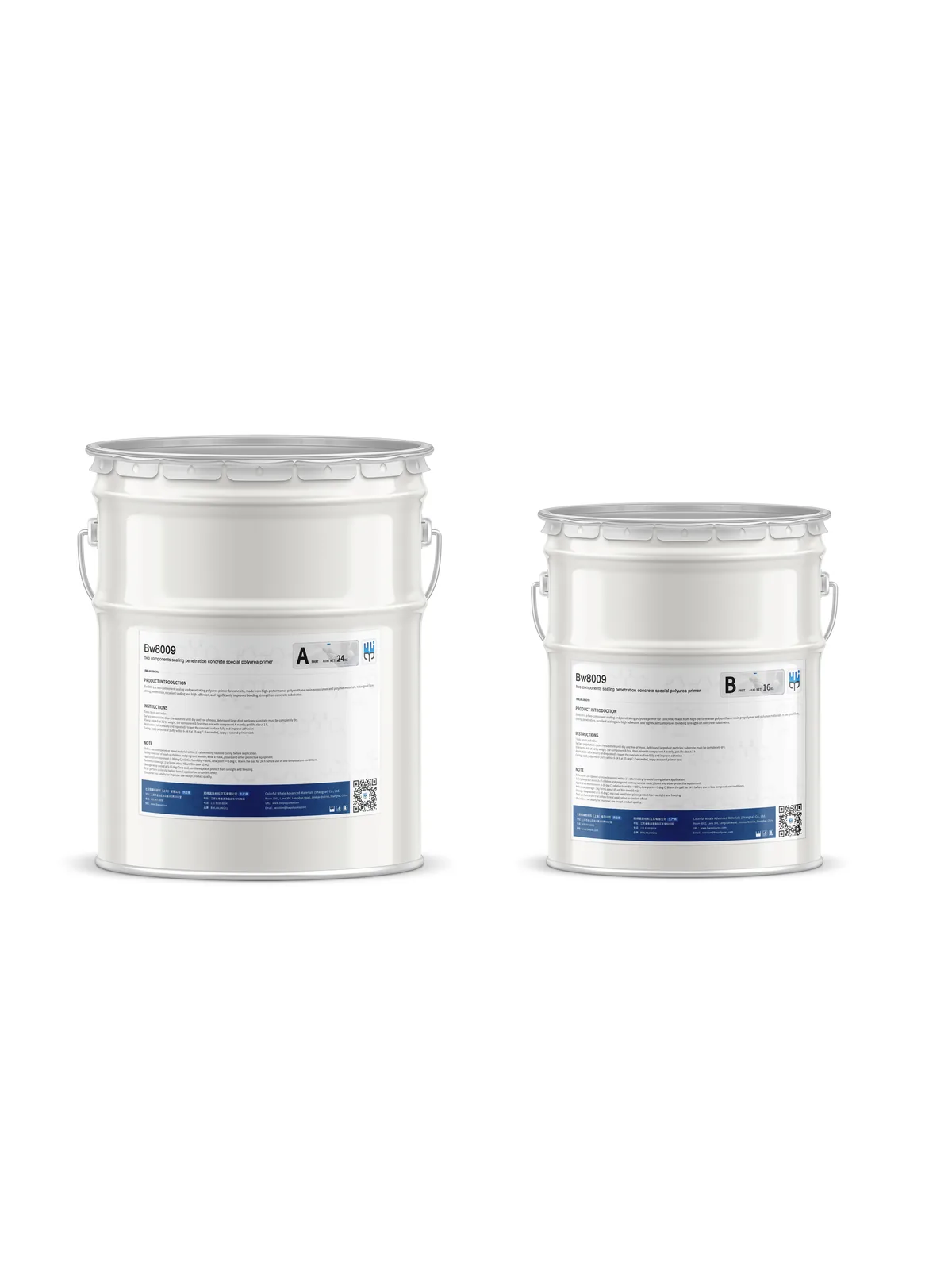
In this project, BW8009 was used as the primer layer. The role of BW8009 is to support substrate sealing and adhesion before the subsequent coating layers are applied. Concrete stand surfaces may contain pores, surface dusting, small cracks, old repair marks or uneven absorption. A proper primer route helps prepare the mineral substrate, improves bonding support and creates a more stable base for the next repair and waterproofing layers.
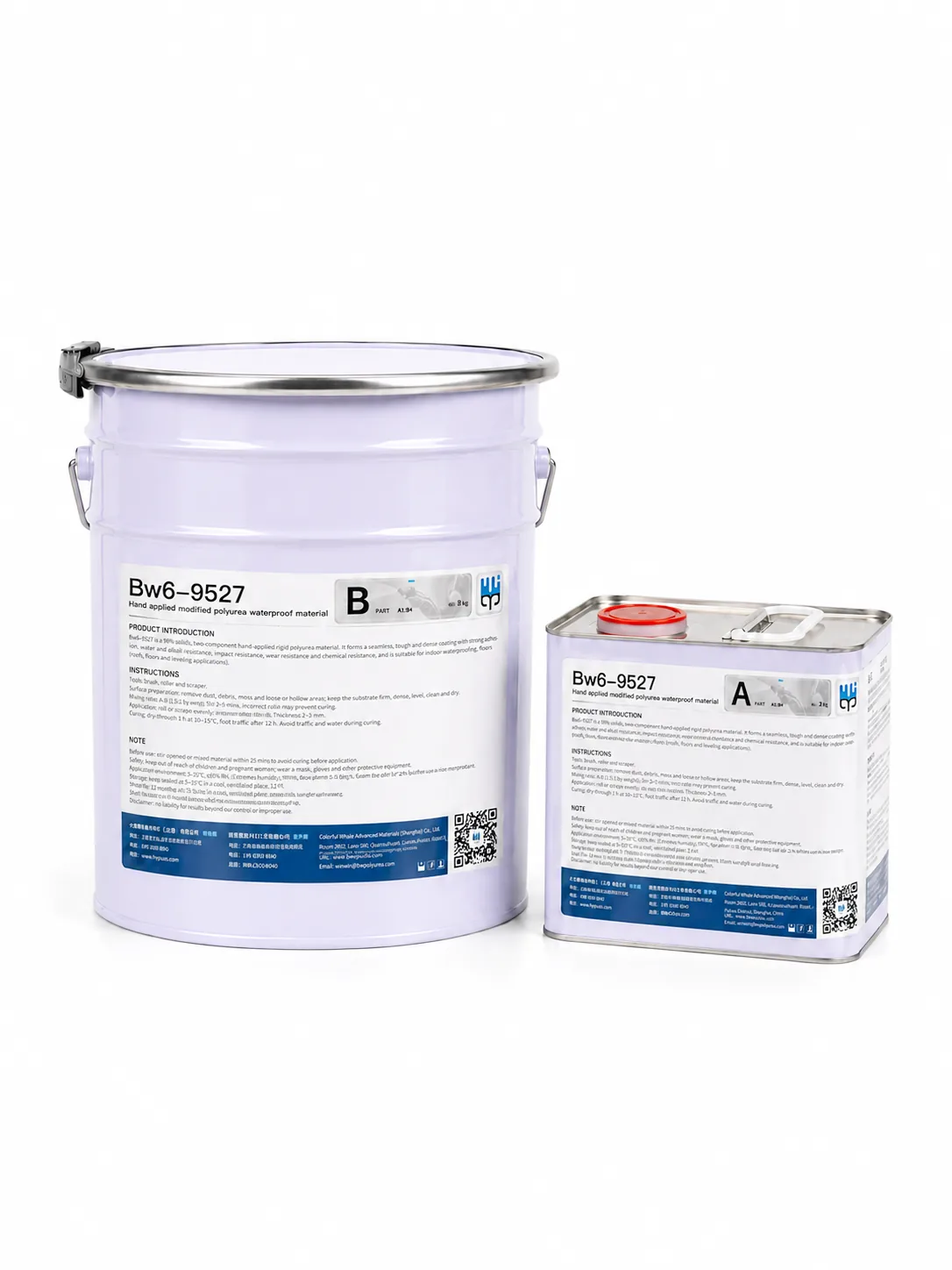
After the primer layer, BW6-9527 with quartz sand was used for repair and leveling. This step is important because stadium stands often have uneven concrete surfaces, worn areas, small defects and local irregularities around steps and transitions. The quartz-sand build layer helps correct local surface defects, improve flatness and provide a more suitable base before the main spray polyurea layer is applied. It also helps make the coating system more practical for step surfaces, risers, walking areas and local details that cannot be treated as perfectly smooth concrete.
BW6-9527 + quartz sand in this route is not the final exposed surface and not the main waterproofing membrane. Its main value is substrate correction and intermediate build. It helps improve the condition of the prepared concrete surface so that the following BW3-951 spray polyurea layer can form a more continuous and reliable protective membrane. For stadium stands, this is especially valuable because surface unevenness and local defects may reduce coating continuity if they are not treated before the main layer.
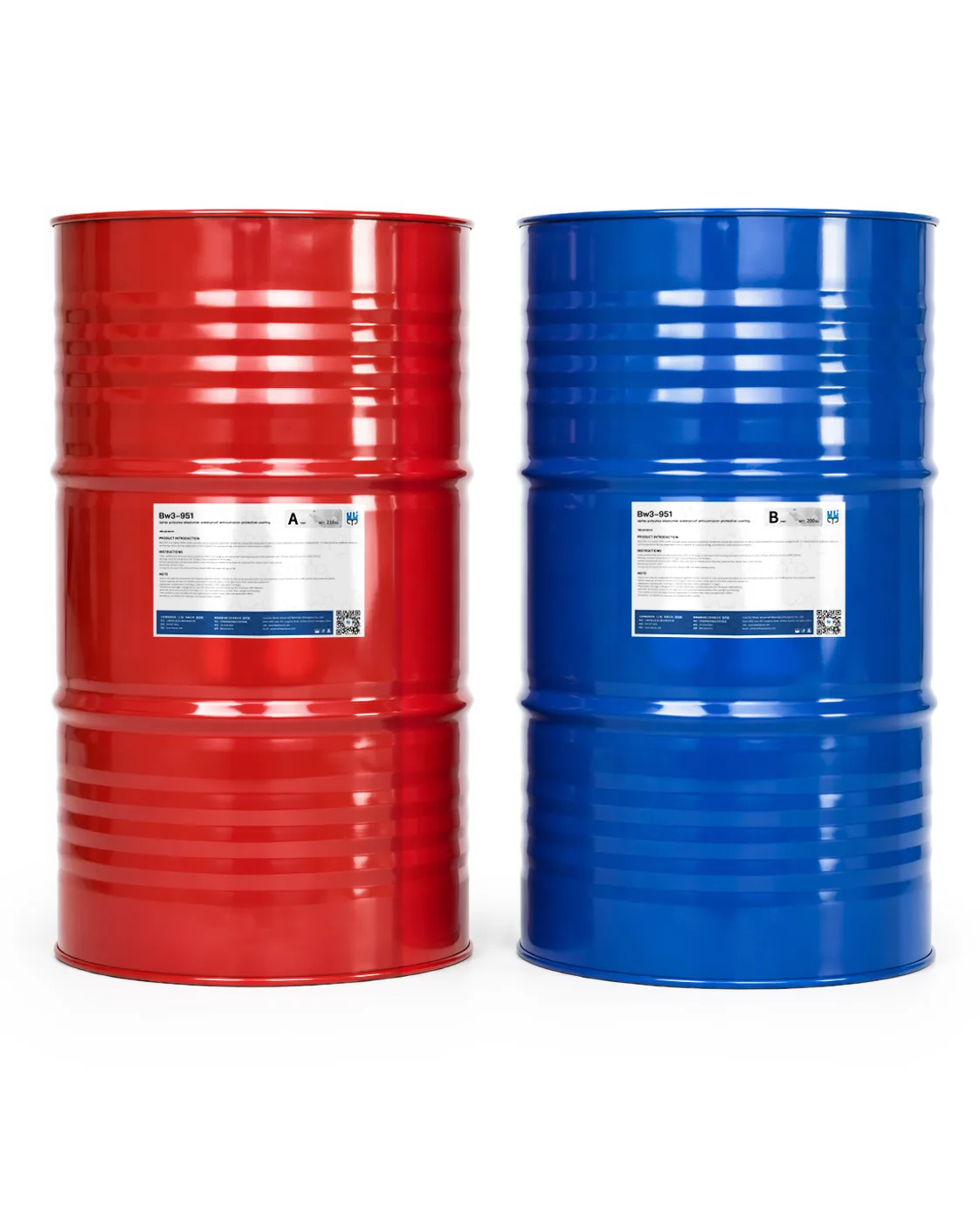
BW3-951 was then applied as the main spray polyurea waterproofing and protective layer at approximately 1.5 mm. This layer is the core membrane of the system. Spray polyurea is suitable for stadium stands because it can form a continuous, seamless and elastomeric protective layer over large areas and complex step geometry. Compared with systems that rely heavily on seams, overlaps or rigid layers, spray polyurea can better follow steps, risers, corners and transition areas while maintaining waterproofing continuity.
For stadium applications, this continuity is critical. Water leakage often begins at cracks, joints, step edges, railing bases and other local details. A continuous spray-applied membrane helps reduce the number of weak points and supports waterproofing protection across both flat walking surfaces and complex vertical or corner areas. The approximately 1.5 mm BW3-951 layer provides the main waterproofing and protective build for the stand structure.
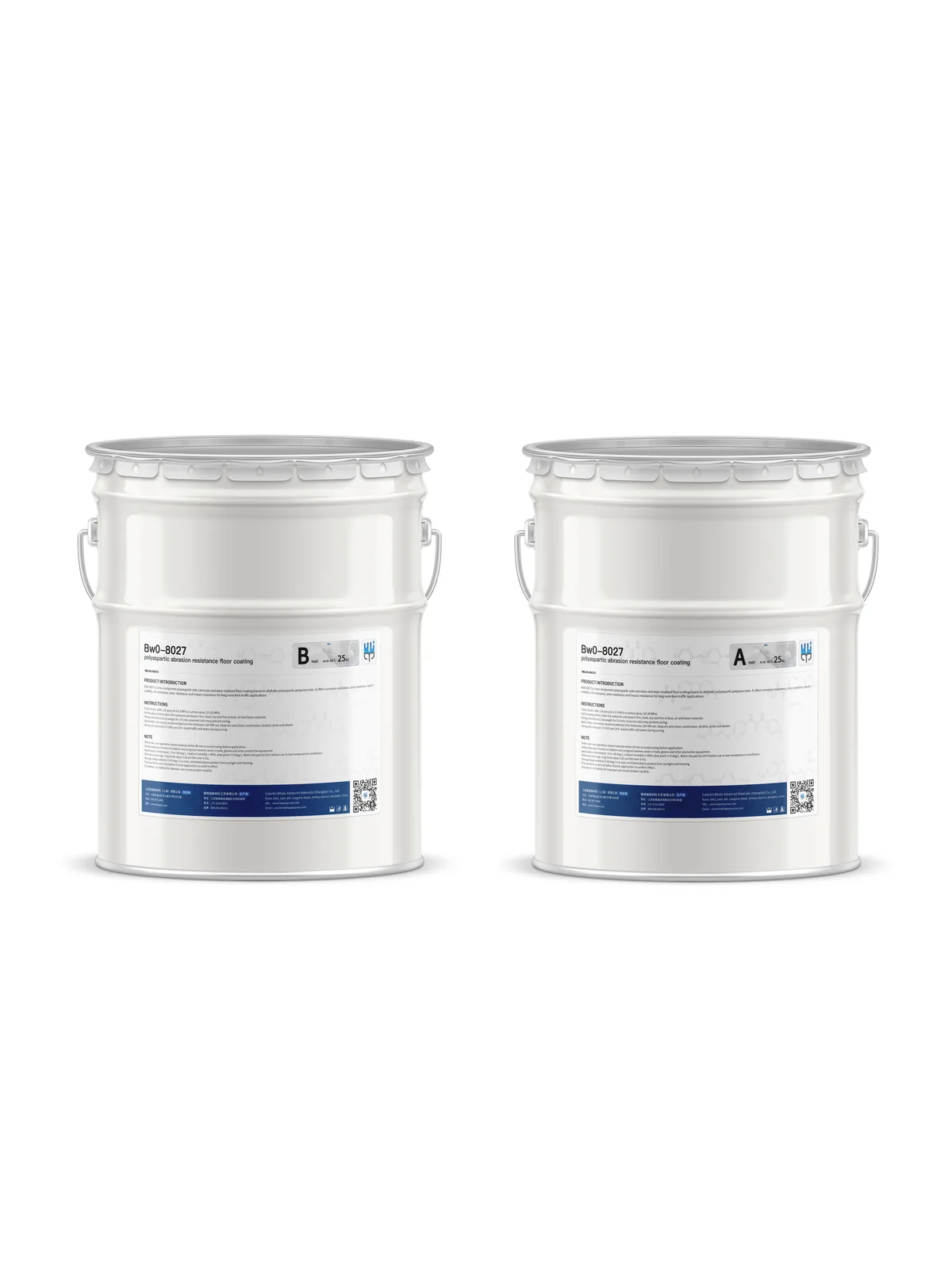
After the spray polyurea membrane, BW0-8027 was used as the wear-resistant and weather-resistant topcoat. This topcoat is important because stadium stands are exposed to people, cleaning, outdoor weather, UV exposure and repeated surface wear. BW0-8027 helps provide the exposed surface with additional wear resistance, weather protection and surface durability. In this route, BW0-8027 is not the main waterproofing membrane. Its role is to protect the main polyurea layer and improve the service performance of the exposed walking and seating areas.
The full coating route therefore has a clear division of function. BW8009 supports concrete substrate sealing and adhesion. BW6-9527 with quartz sand repairs and levels the surface before the main membrane. BW3-951 forms the main spray polyurea waterproofing and protective layer at approximately 1.5 mm. BW0-8027 provides the final wear-resistant and weather-resistant exposed topcoat.
This route is suitable for stadium stand waterproofing because it addresses both waterproofing and use-related wear. The stands need protection against rainwater and seepage, but they also need surface durability for pedestrian traffic and maintenance activity. By combining primer, quartz-sand repair and leveling, spray polyurea membrane and wear-resistant topcoat, the system is better matched to the practical conditions of outdoor stadium seating areas.
The key advantage of this coating route is that it does not treat the stadium stand as a simple flat roof. It considers the actual service conditions of the stands: complex concrete geometry, local defects, foot traffic, outdoor exposure, cleaning wear and detail waterproofing. This helps the coating system provide a more practical protection route for stadium steps, seating platforms, aisles and exposed concrete stand areas.
For similar stadium, grandstand or outdoor concrete seating projects, final product selection, surface preparation, quartz-sand repair thickness, spray polyurea membrane thickness, topcoat arrangement and anti-slip or surface texture requirements should still be reviewed according to substrate condition, traffic level, exposure environment, safety requirements and project specifications. This case provides an application reference for using BW8009, BW6-9527 with quartz sand, BW3-951 and BW0-8027 to improve waterproofing continuity, wear protection and exposed surface durability for stadium stand structures.
Related Products Used

Project Photo Gallery
Project photos show stadium stand coating texture, spray polyurea application, concrete step details, finished stand surfaces and exposed pedestrian area protection references.