Concrete Floor Waterproofing and Anti-Corrosion System

Hand-Applied Polyurea Wear-Resistant Concrete Floor
Waterproofing and Anti-Corrosion System

A hand-applied polyurea concrete floor waterproofing and anti-corrosion system for prepared concrete floors exposed to abrasion, foot or light vehicle traffic, weathering, water contact, chemical splash and surface wear.

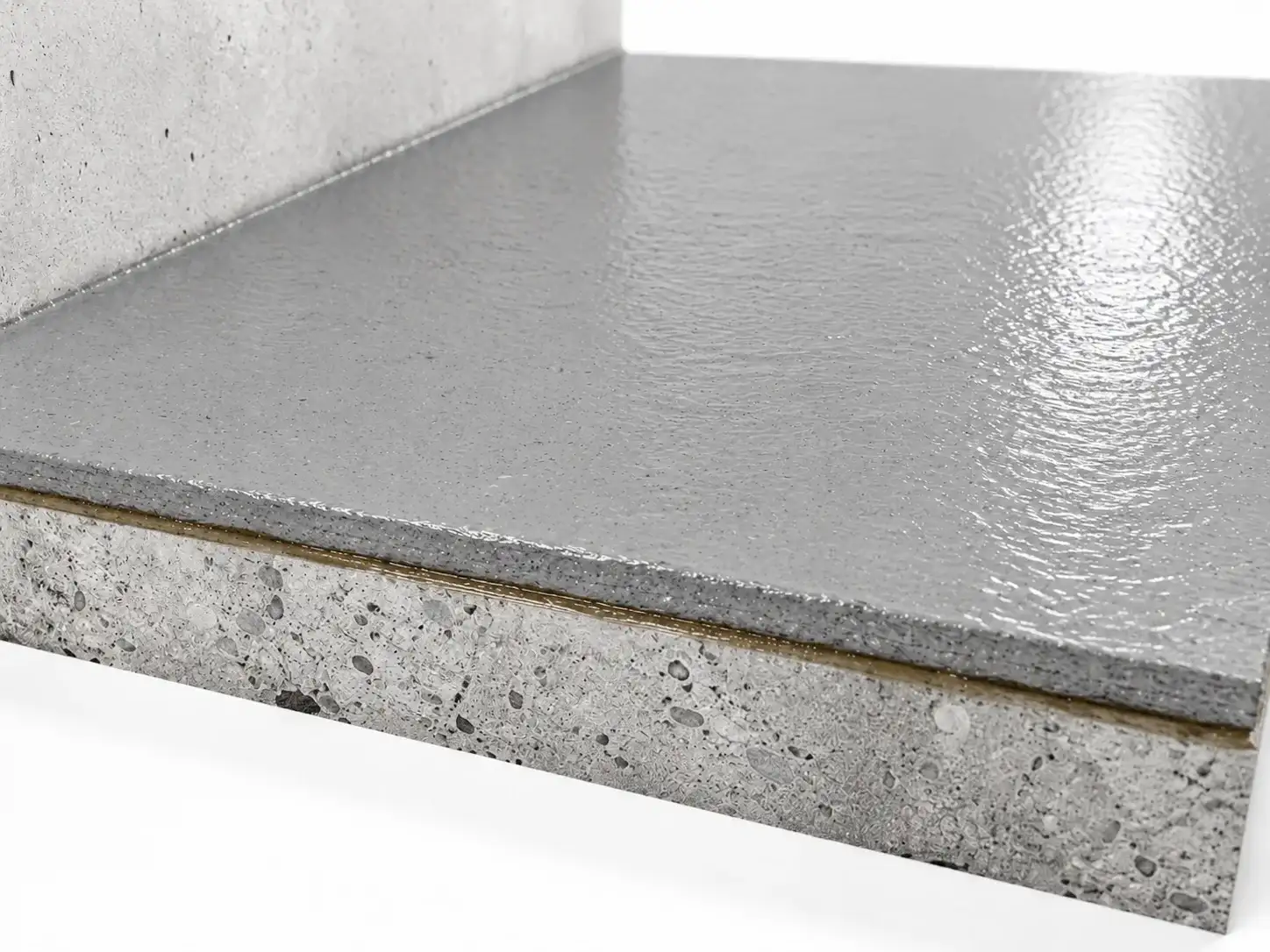
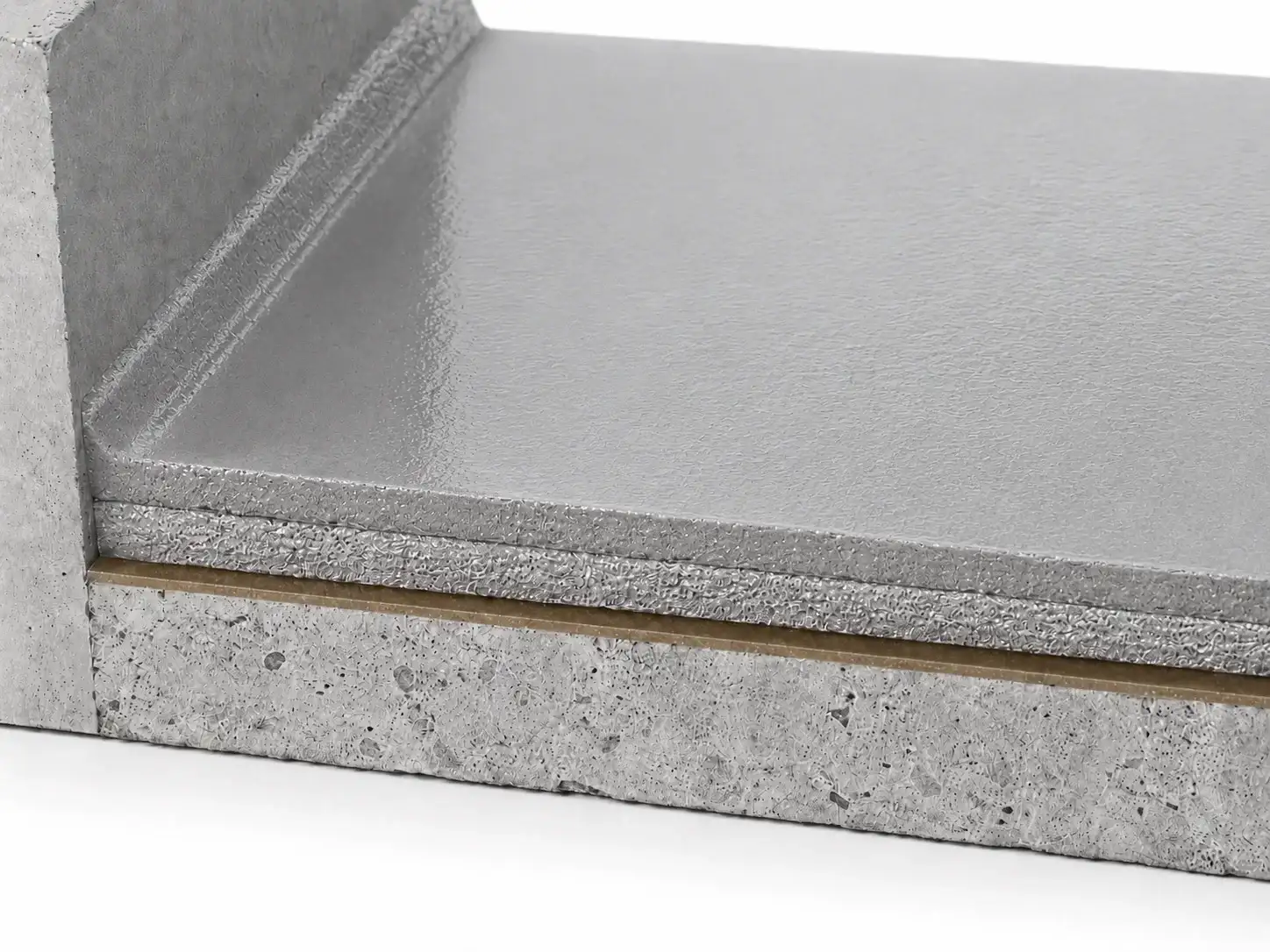
Concrete hand-applied polyurea floor waterproofing and anti-corrosion system overview

System build-up

System Build-Up

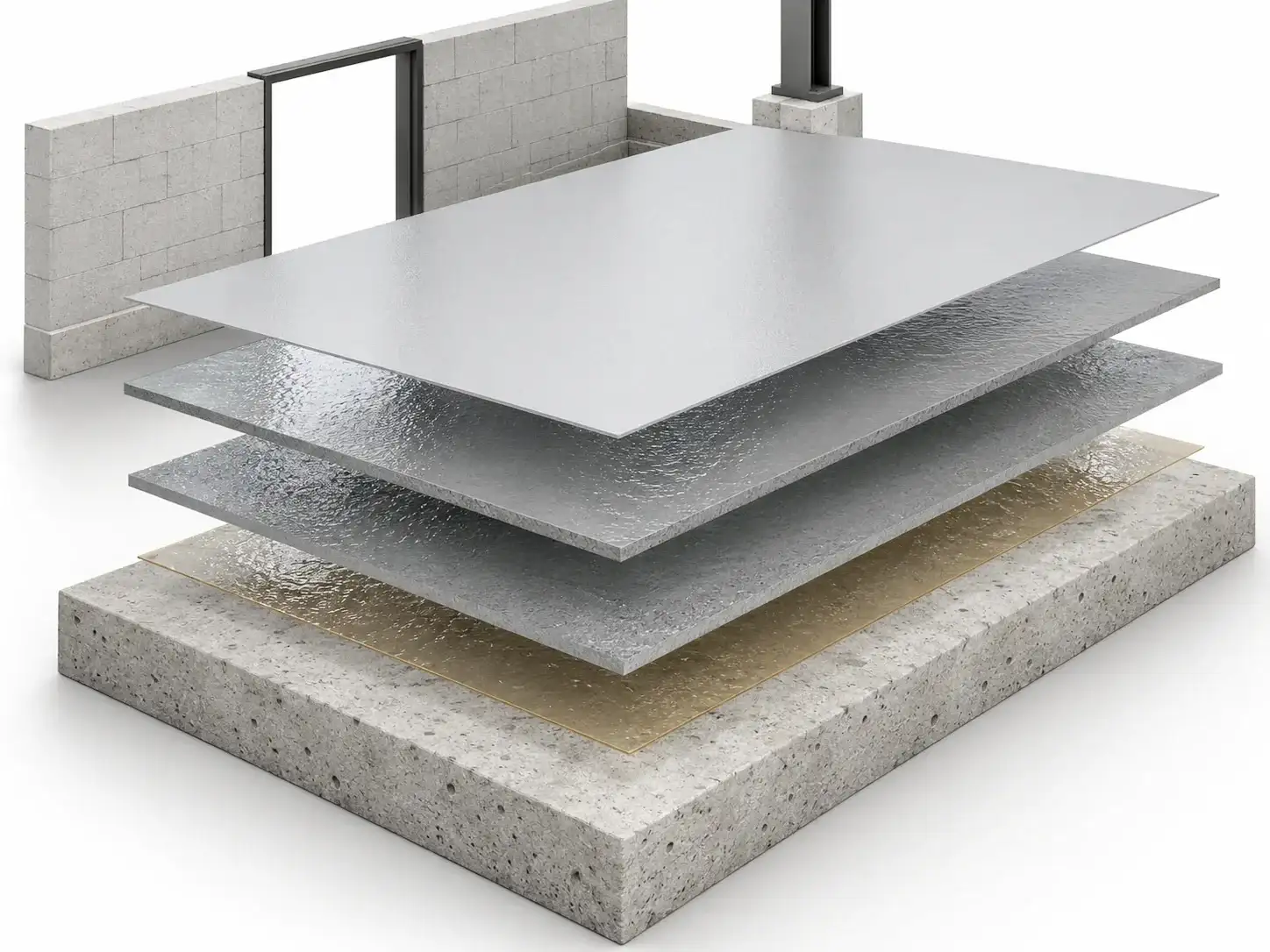
Four coating layers: concrete primer, two quartz-sand build layers and wear-resistant weather-resistant topcoat.

  1. 01
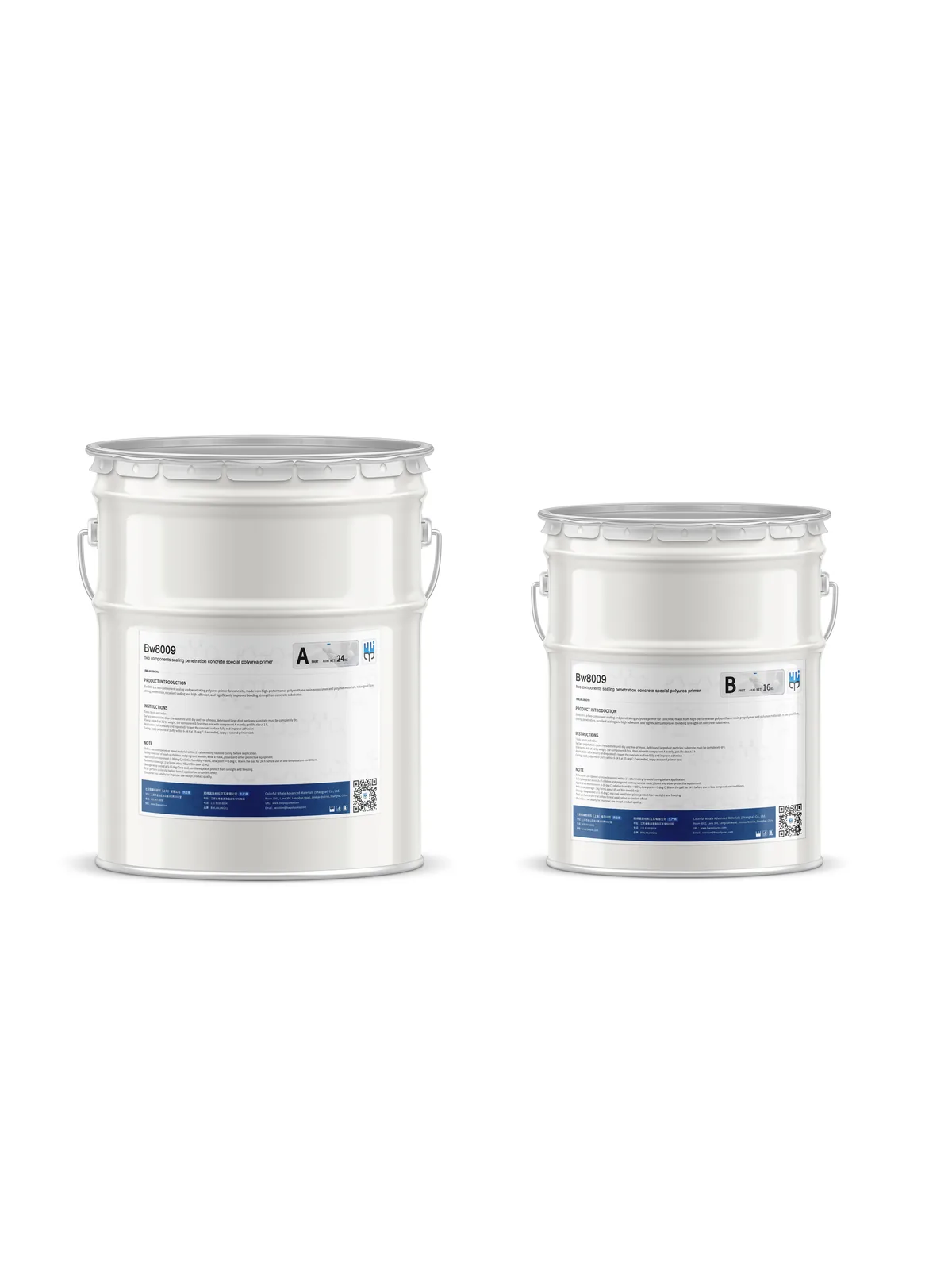
    BW8009 Concrete Primer

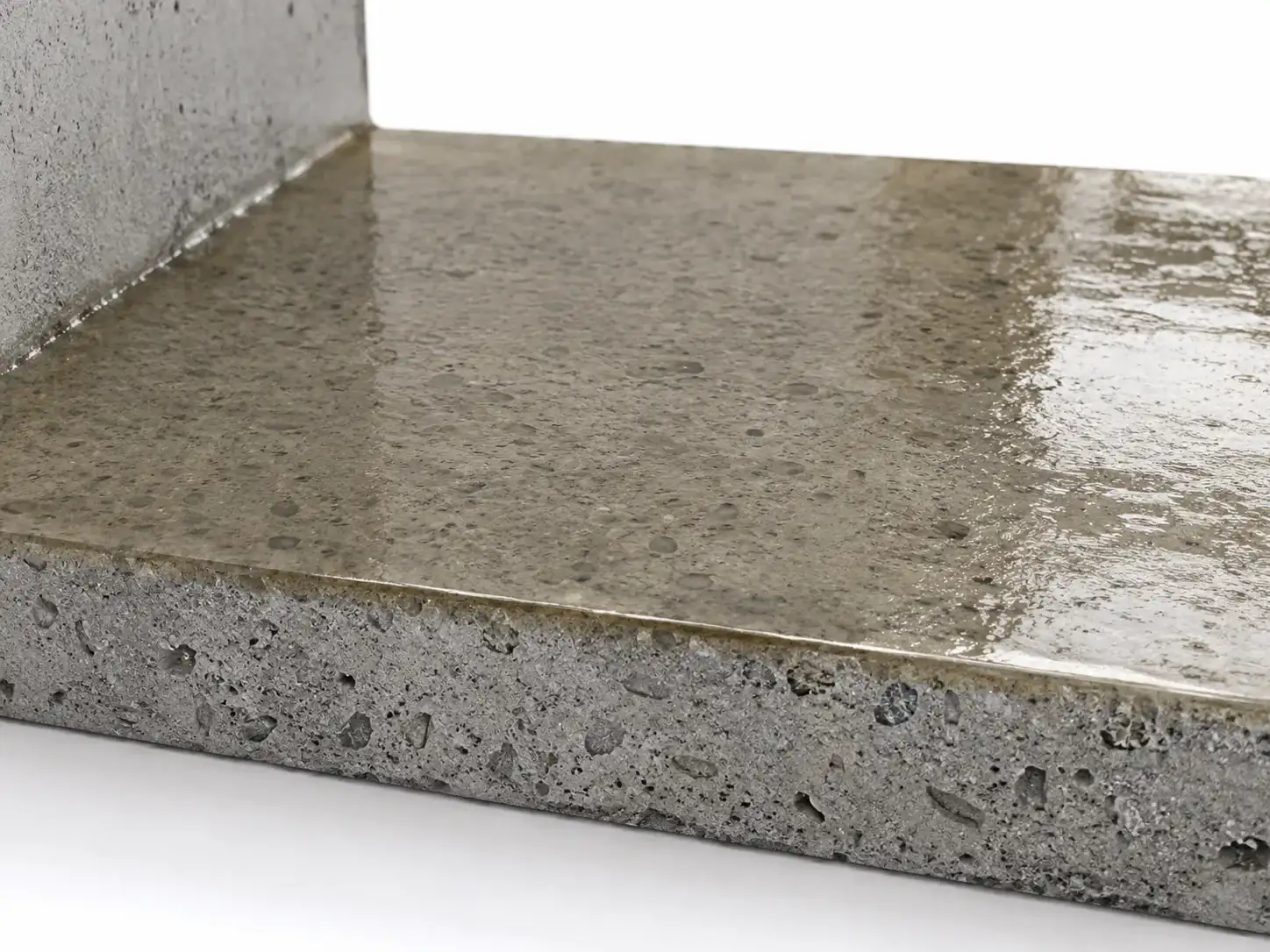
    Light amber / golden layer that seals concrete pores and supports adhesion.

  2. 02
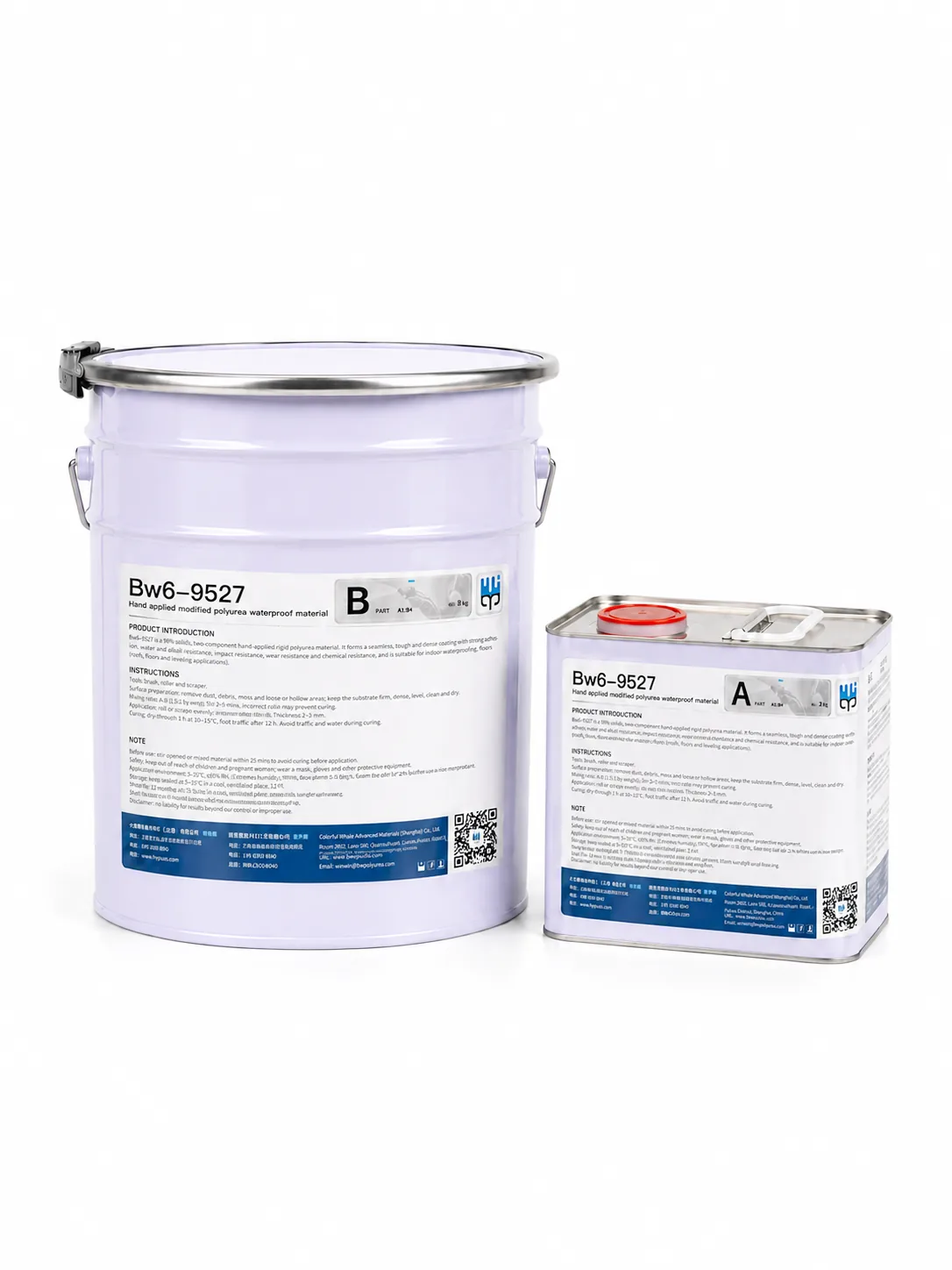
    BW6-9527 + Quartz Sand First Build Layer

    Coarse-sand scrape layer that fills fine floor defects and starts the hand-applied build layer.

  3. 03
    BW6-9527 + Quartz Sand Second Build Layer

    Fine-sand build layer that improves surface uniformity and creates a sanding-ready base.

  4. 04
    BW0-8027 Wear-Resistant Weather-Resistant Topcoat

    Light gray or selected finish color that provides the exposed protective floor surface.

Layer problem solving

What Each Layer Solves

Each coating layer has a defined floor-protection role in the hand-applied polyurea concrete floor waterproofing and anti-corrosion system.

BW8009 concrete primer layer for hand-applied polyurea floor system
01

BW8009 Concrete Primer

Seals concrete pores and supports adhesion.

Main Function
Seals the prepared concrete floor substrate and supports adhesion for the hand-applied polyurea build layers.
What It Solves
Concrete pore absorption, surface dusting, uneven primer penetration, weak bonding and unstable mineral floor surfaces.
Key Advantage
Helps create a stable bonding base before the BW6-9527 quartz-sand build layers are applied.
First BW6-9527 quartz sand build layer for concrete floor waterproofing and anti-corrosion system
02

BW6-9527 + Quartz Sand First Build Layer

Fills fine defects and starts the build layer.

Main Function
Starts the hand-applied polyurea build layer and helps fill fine surface defects, pores and local uneven areas.
What It Solves
Small voids, rough concrete texture, fine surface defects, low spots and weak floor surface continuity before additional build thickness.
Key Advantage
Helps create a more continuous base layer for waterproofing, anti-corrosion protection and the second build layer.
Second BW6-9527 quartz sand sanded layer for concrete floor surface uniformity
03

BW6-9527 + Quartz Sand Second Build Layer

Builds thickness and improves surface uniformity.

Main Function
Builds additional thickness and provides a sanding-ready surface before the exposed floor topcoat.
What It Solves
Insufficient build thickness, uneven surface profile, sanding loss, local floor irregularity and the need for a more uniform topcoat base.
Key Advantage
Supports controlled floor build thickness and surface uniformity before BW0-8027 topcoat application.
BW0-8027 wear-resistant exposed topcoat for concrete floor protection
04

BW0-8027 Wear-Resistant Weather-Resistant Topcoat

Protects the exposed floor against wear and weather.

Main Function
Forms the exposed wear-resistant, weather-resistant and protective floor surface.
What It Solves
Foot or light vehicle traffic wear, surface abrasion, weather exposure, water contact, chemical splash, color aging and maintenance concerns.
Key Advantage
Helps improve surface durability, abrasion resistance, waterproofing protection and exposed floor maintainability.

Application stages

Application Stages

Concrete floor preparation, BW8009 concrete primer, two BW6-9527 quartz-sand hand-applied polyurea build layers, sanding after the second build layer and BW0-8027 wear-resistant weather-resistant topcoat.

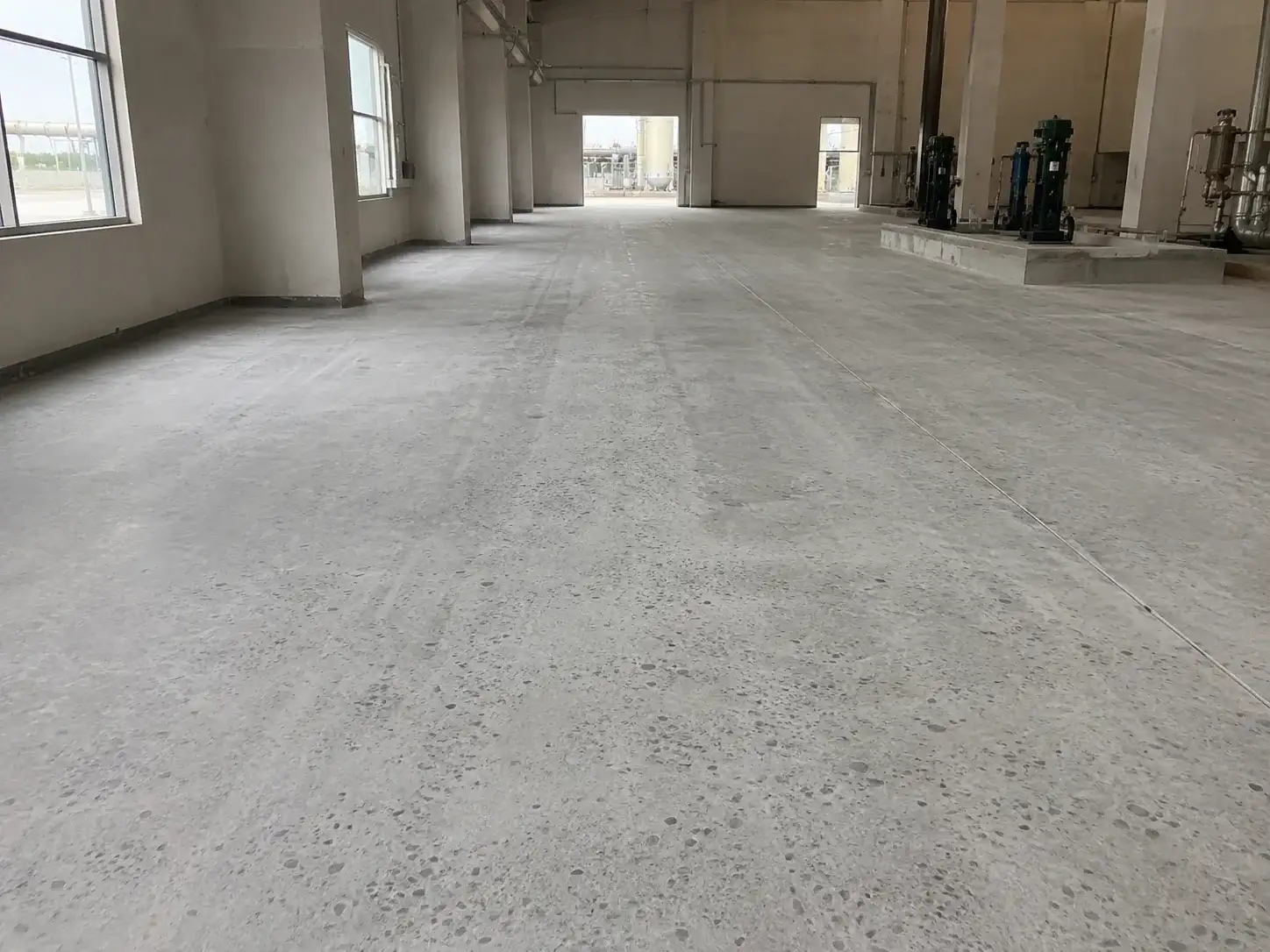
Concrete floor surface preparation before hand-applied polyurea floor system
01

Concrete Floor Preparation

Concrete floor substrate should be solid, clean, dry and stable. Loose concrete, laitance, dust, oil, standing water, weak surface layers and contamination should be removed before primer application.

Preparation stage: confirm concrete strength, moisture, cleanliness, floor flatness and repair scope before primer application.
02

BW8009 Concrete Primer

Apply BW8009 as the concrete primer to seal capillary pores, reduce absorption differences and improve adhesion before the hand-applied floor build layers.

Product data reference: about 50 um film thickness / about 0.09 kg/m2 theoretical coverage. BW8009 Concrete Sealing Penetration Polyurea Primer official product packaging image Product usedView BW8009 ->
BW8009 concrete primer application for floor system
First BW6-9527 quartz sand scrape layer application on concrete floor
03

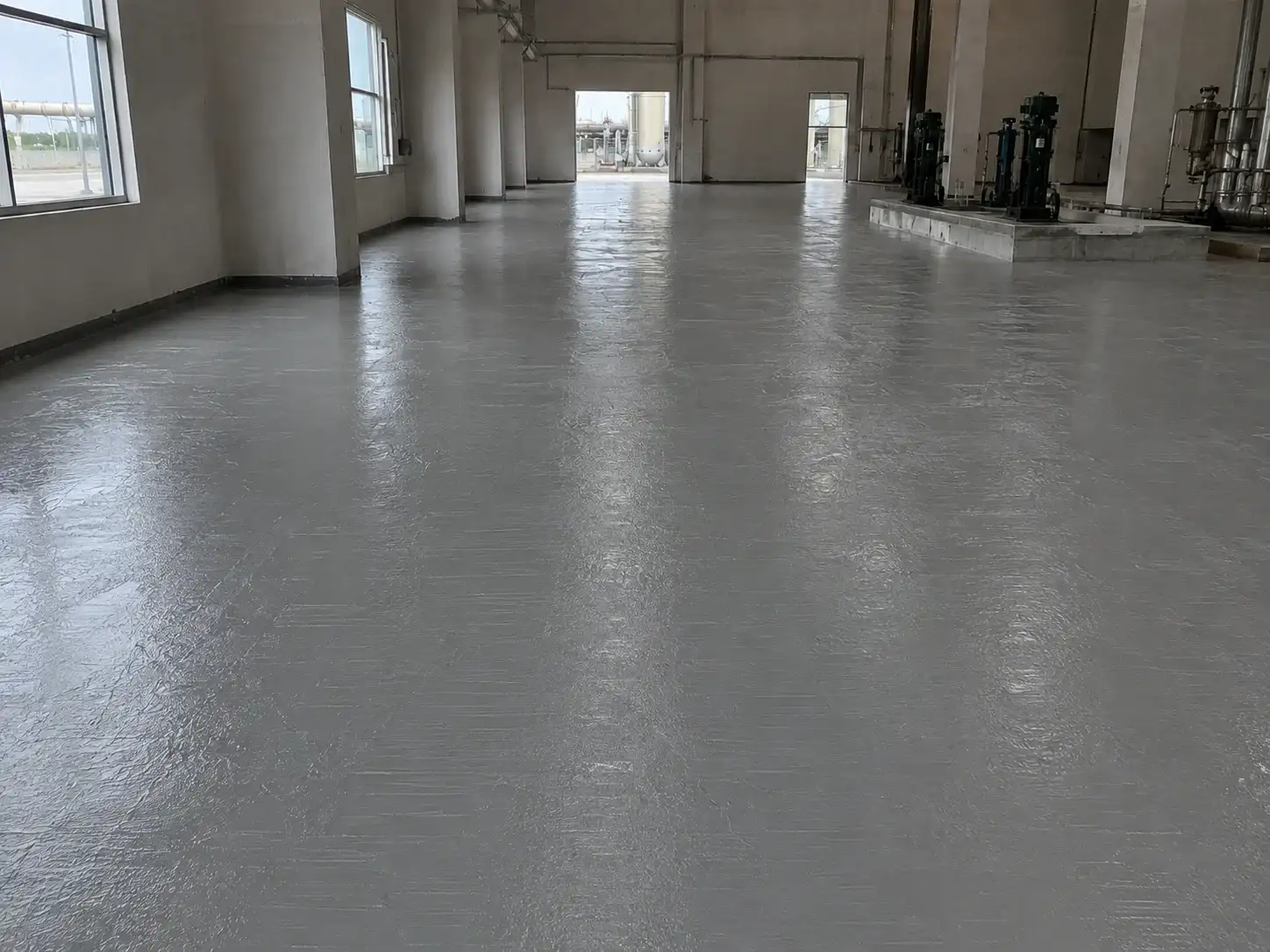
First BW6-9527 Quartz-Sand Scrape-Applied Layer

Apply BW6-9527 blended with coarse quartz sand as the first scrape-applied build layer to help fill fine defects, pores and shallow uneven areas.

System reference: about 1 mm thickness; BW6-9527 about 1.0 kg/m2 plus 50% coarse quartz sand by weight. Final consumption depends on defect depth, leveling scope and floor condition. BW6-9527 Hand-Applied Polyurea Waterproof Intermediate Layer official product packaging image for quartz-sand floor build layer Product usedView BW6-9527 ->
04

Second BW6-9527 Quartz-Sand Scrape-Applied Layer and Sanding

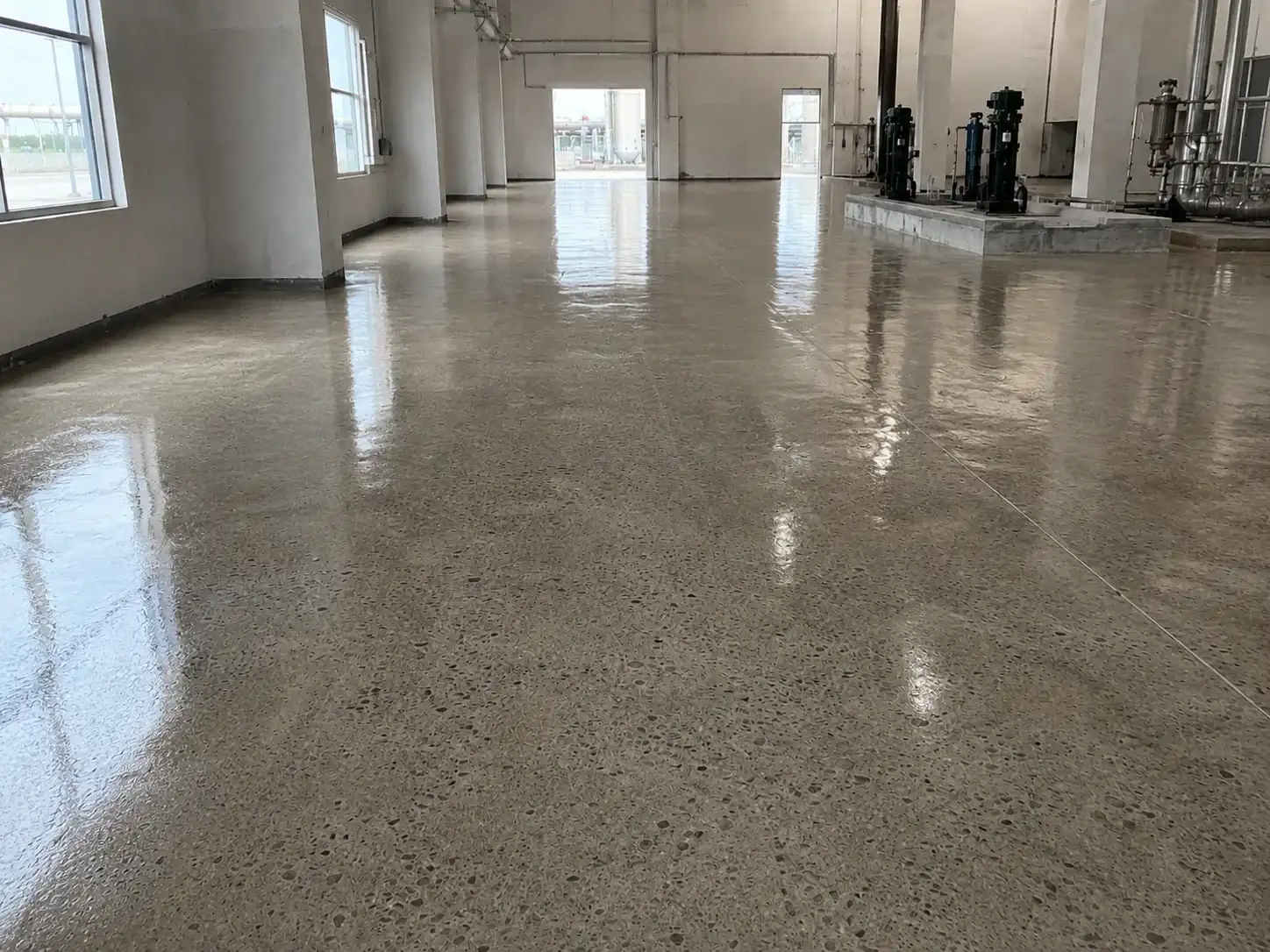
Apply a second BW6-9527 layer with fine quartz sand for additional thickness. After curing, sanding or grinding helps improve flatness, surface consistency and topcoat adhesion.

System reference: about 1 mm thickness; BW6-9527 about 1.0 kg/m2 with fine quartz sand. Final consumption depends on sanding loss, flatness requirement and project specification. BW6-9527 Hand-Applied Polyurea Waterproof Intermediate Layer official product packaging image for second quartz-sand floor build layer Product usedView BW6-9527 ->
Second BW6-9527 quartz sand floor layer sanding and surface preparation for topcoat
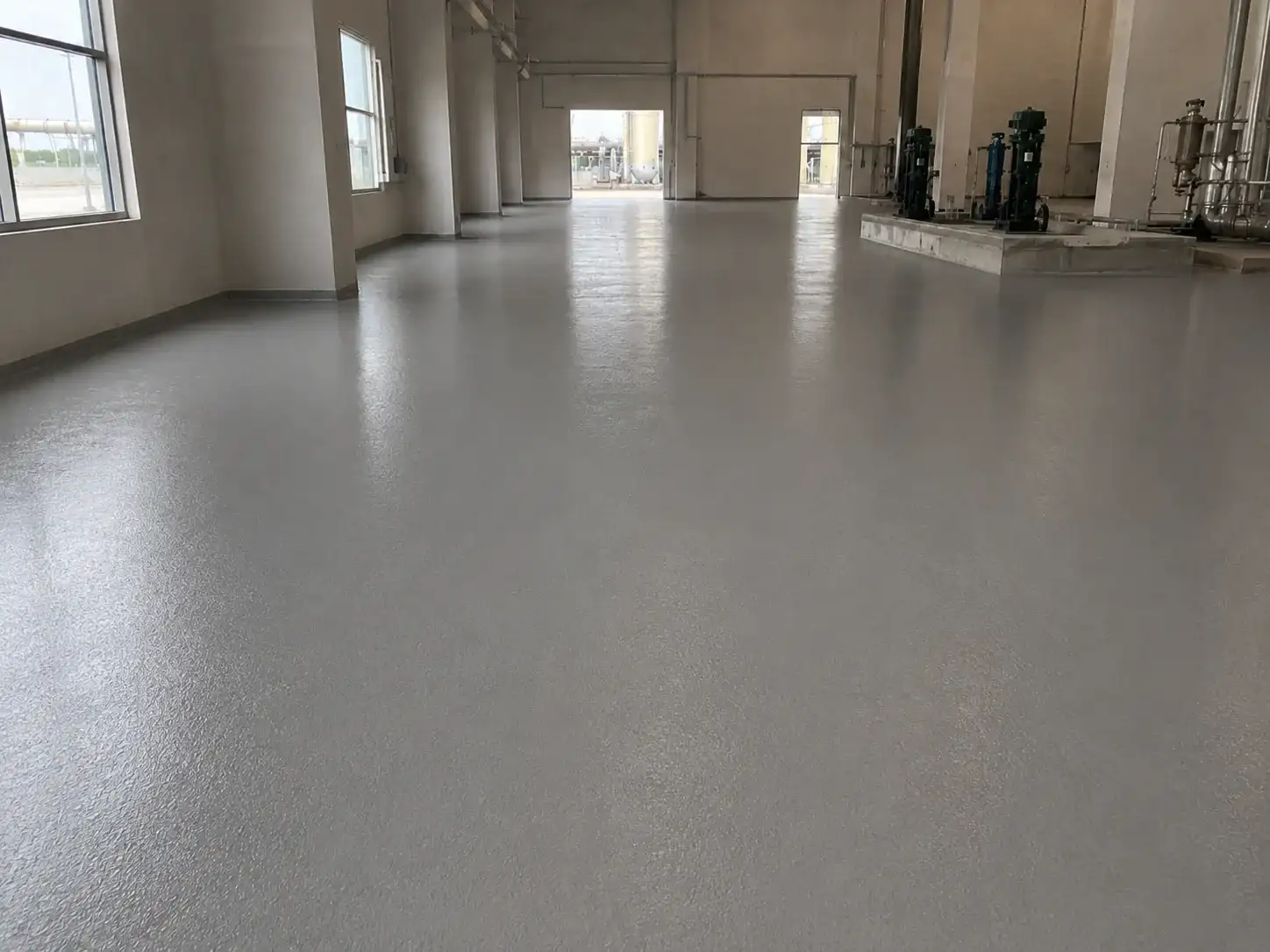
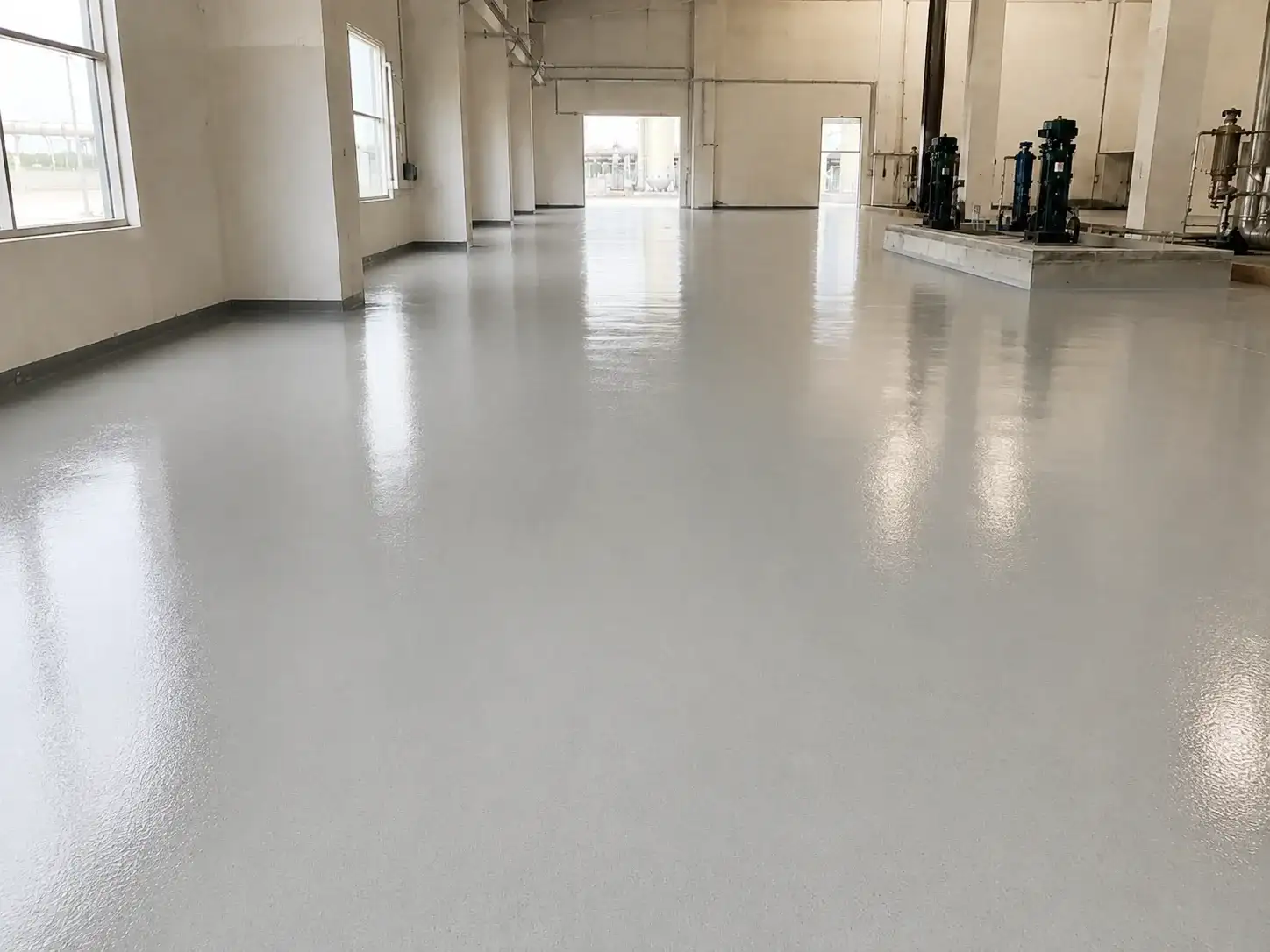
Finished BW0-8027 wear-resistant weather-resistant concrete floor surface
05

BW0-8027 Wear-Resistant Weather-Resistant Topcoat

Apply BW0-8027 as the exposed floor topcoat for wear resistance, weather resistance, waterproofing and anti-corrosion protection.

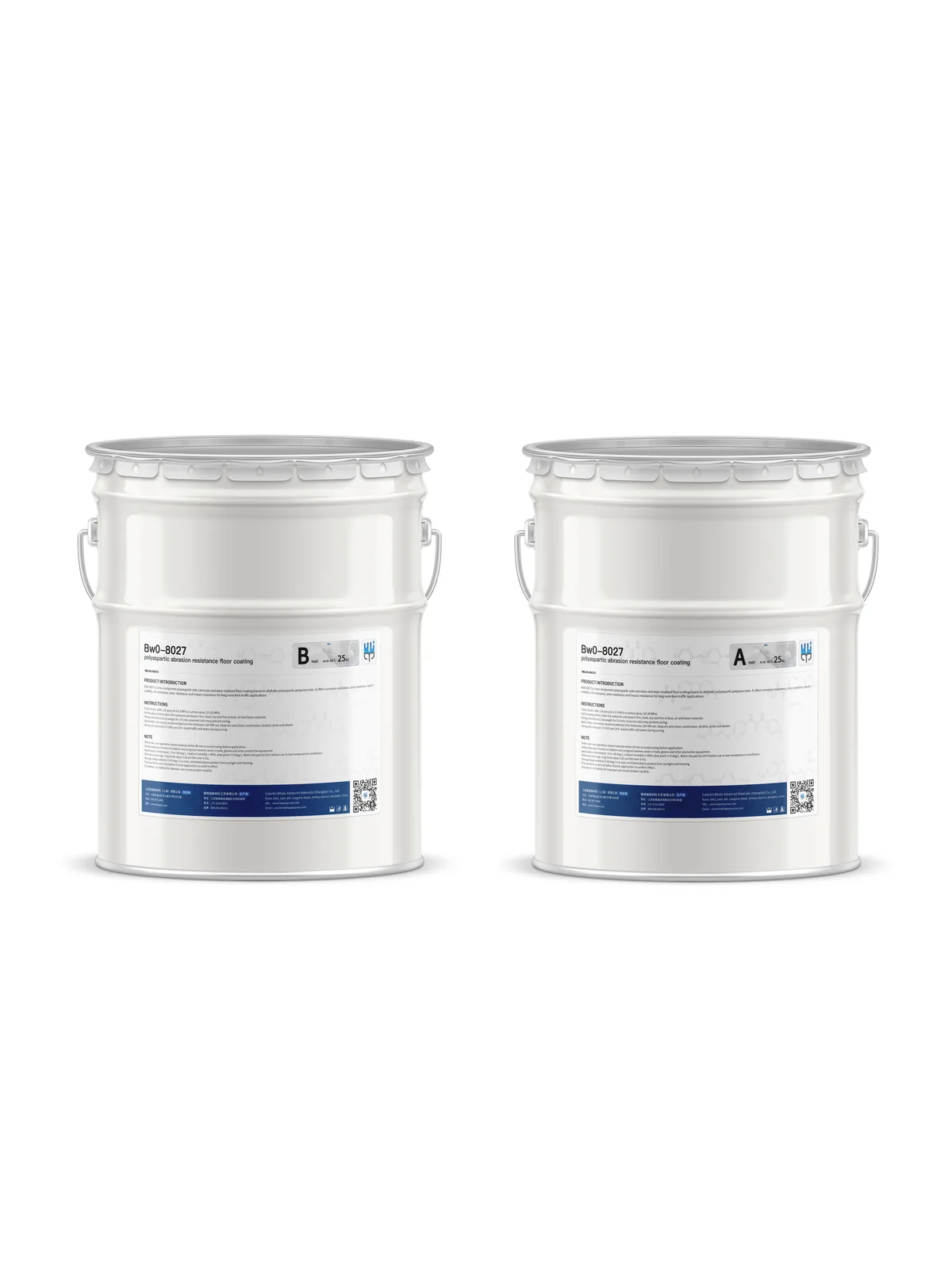
Product data reference: recommended DFT 100-200 um as topcoat; 0.15 kg/m2 at 100 um film thickness. BW0-8027 Polyaspartic Floor Coating Topcoat official product packaging image Product usedView BW0-8027 ->

Technical data center

Technical Data Center

Scenario-relevant technical evidence for concrete floor pore sealing, hand-applied quartz-sand build thickness, waterproofing continuity, anti-corrosion protection, abrasion resistance, weather resistance and exposed floor durability.

BW8009 Concrete Primer Key Data

ItemTest standard / referenceResult
Product role System planning Concrete primer, pore sealing and adhesion support
Theoretical coverage 50 um film thickness 0.09 kg/m2
Mix ratio By volume A:B = 3:2
Surface dry time Product data reference 1-3 h
Adhesive strength on dry concrete base ASTM D-3359 3.5 MPa or base failure
Relevance to concrete floor system System planning Floor pore sealing, absorption control and adhesion support before BW6-9527 build layers

BW6-9527 Quartz-Sand Build Layer Key Data

ItemTest standard / referenceResult
Product role System planning Two scrape-applied quartz-sand build layers
First build layer Floor system planning About 1 mm thickness; BW6-9527 about 1.0 kg/m2 plus 50% coarse quartz sand by weight
Second build layer Floor system planning About 1 mm thickness; BW6-9527 about 1.0 kg/m2 with fine quartz sand
Product data DFT range Product guide 500-1000 um
Product data theoretical coverage 500 um thickness 0.7 kg/m2
Application method Product data reference Scraping application with puttying or scraping tools
Mixing ratio By weight A:B = 1:4
Concrete-base adhesion Product data reference >=3.0 MPa, base failure
Impact resistance Product data reference 50 kg.cm
Solid content Product data reference >=98%
Relevance to concrete floor system System planning Build thickness, pore filling, waterproofing continuity, anti-corrosion intermediate layer and sanding-ready base
Final consumption Project planning Adjust according to floor defect depth, coarse/fine quartz sand grading, sanding loss and floor flatness requirement

BW0-8027 Wear-Resistant Topcoat Key Data

ItemTest standard / referenceResult
Product role System planning Exposed floor wear-resistant topcoat
Recommended DFT Product guide 100-200 um as topcoat
Theoretical coverage 100 um film thickness 0.15 kg/m2
Mix ratio By weight A:B = 1:1
Concrete-base adhesion HG / T 3831-2006 2.8 MPa
Abrasion resistance HG / T 3831-2006 5 mg
Impermeability Product data reference 2.1 MPa
Impact resistance GB / T 1732 50 kg.cm
Artificial accelerated aging GB / T 14522-1993 Light loss < 1, pulverization < 1
Chemical splash resistance GB / T 9274-1988 reference Acid, alkali, salt, diesel and crude oil resistance data available in product file
Relevance to concrete floor system System planning Exposed floor wear resistance, weather resistance, waterproofing protection and anti-corrosion surface protection

Technical values are from current product data. Final material selection, quartz-sand grading, film thickness, consumption and application conditions should be confirmed according to project specification and the latest technical data sheet.

Quality control

Application & Quality Control

Quality control should focus on floor readiness, primer continuity, quartz-sand build stability, sanding uniformity and exposed topcoat condition before handover.

01

Floor Readiness

Confirm the concrete floor condition before primer application.

  • Dust and laitance removed
  • Oil contamination removed
  • Moisture checked
  • Repair scope confirmed
02

Quartz-Sand Build Layers

Review both scrape-applied BW6-9527 quartz-sand build layers before topcoat application.

  • Fine defects filled
  • Build thickness controlled
  • Cured surface sanded
  • Flatness reviewed
03

Exposed Topcoat

Check BW0-8027 exposed floor finish before service.

  • Continuous surface film
  • Target DFT checked
  • Color and finish consistency
  • Traffic readiness reviewed
Inspection focus
  • Concrete floor condition
  • Primer continuity
  • Build-layer flatness
  • Sanding uniformity
  • Topcoat finish

Suitable conditions

How This System Helps Reduce Concrete Floor Damage Risks

Concrete floor waterproofing and anti-corrosion risks often come from concrete pores, surface dusting, rough texture, fine cracks, local defects, low spots, water contact, chemical splash, abrasion, foot or light vehicle traffic, outdoor weather exposure, surface wear, coating peeling risk and poor surface flatness. This four-layer system uses BW8009 primer, two BW6-9527 quartz-sand build layers and BW0-8027 wear-resistant topcoat to help improve adhesion, build thickness, waterproofing continuity, anti-corrosion protection and exposed floor durability.

  1. 01

    Pores, Dusting and Rough Texture

    BW8009 helps seal concrete pores and reduce absorption differences before the BW6-9527 quartz-sand build layers address rough concrete texture and fine defects.

    Check before specification: concrete pores / surface dusting / rough texture / pore absorption

  2. 02

    Cracks, Local Defects and Low Spots

    The two BW6-9527 quartz-sand build layers help fill fine cracks, local defects and low spots while building a more continuous waterproofing and anti-corrosion intermediate layer.

    Check before specification: floor cracks / local defects / low spots / required build thickness

  3. 03

    Traffic, Abrasion and Surface Wear

    The BW0-8027 exposed topcoat supports floor wear resistance under foot traffic, light vehicle traffic, cleaning movement, abrasion and surface wear.

    Check before specification: foot traffic / light vehicle traffic / abrasion / maintenance and cleaning

  4. 04

    Weather, Water and Chemical Splash

    Outdoor weather exposure, UV exposure, water contact, chemical splash and topcoat aging should be reviewed before specifying topcoat thickness, sanding quality and maintenance planning.

    Check before specification: weather exposure / UV exposure / water contact / chemical splash / topcoat aging

Sanding and flatness requirements are critical before BW0-8027 application. Poor flatness, residual dust, weak bonding areas or insufficient sanding can increase coating peeling risk and maintenance difficulty.

Before you request a quote

Before You Request a Quote

Share the concrete floor condition and service target so the BW8009 + BW6-9527 + BW0-8027 floor system can be reviewed before material planning.

Prepare the floor project basics first.

A useful quotation starts with floor area, roughness, defect depth, required build thickness, sanding requirement and exposed topcoat target.

Photos or drawings of floor defects, expansion areas, equipment zones and traffic paths can help review the build-up faster.

  • Floor area
  • Floor roughness
  • Defect depth
  • Moisture condition
  • Required build thickness
  • Sanding requirement
  • Traffic load
  • Chemical exposure
  • Topcoat color
  • Project location
  • Construction timeline
  • Required inspection standard

After these details are ready, use the inquiry form below to request a concrete floor system review.

FAQ

FAQ About Concrete Hand-Applied Polyurea Floor Protection

Common questions about using BW8009, BW6-9527 and BW0-8027 for concrete floor waterproofing, anti-corrosion and wear-resistant protection.

What is this hand-applied polyurea concrete floor system used for?

It is used for prepared concrete floors requiring waterproofing, anti-corrosion protection, wear resistance and weather-resistant exposed floor protection under abrasion, foot or light vehicle traffic, water contact and chemical splash conditions.

Why does the system use BW8009 primer?

BW8009 is the concrete primer. It seals capillary pores, helps control absorption differences and supports adhesion before the BW6-9527 quartz-sand build layers.

Why are there two BW6-9527 quartz-sand build layers?

The first BW6-9527 quartz-sand layer fills fine defects and starts the hand-applied polyurea build layer. The second layer builds additional thickness and creates a sanding-ready surface before topcoat application.

Which product forms the exposed wear-resistant topcoat?

BW0-8027 forms the exposed wear-resistant weather-resistant floor topcoat. It helps protect the floor against abrasion, weather exposure, water contact, chemical splash and surface wear.

Can the exact BW6-9527 build-layer consumption be fixed before inspection?

The floor system reference uses about 1.0 kg/m2 BW6-9527 plus 50% coarse quartz sand by weight for the first 1 mm build layer, and about 1.0 kg/m2 BW6-9527 with fine quartz sand for the second 1 mm build layer. Final consumption should still be adjusted according to defect depth, sanding loss, floor flatness and project specification.

What floor details need special attention before coating?

Concrete pores, surface dusting, rough texture, cracks, low spots, local defects, moisture, contamination, sanding requirements and flatness should be reviewed before coating.

What topcoat thickness is recommended for BW0-8027?

The product data lists BW0-8027 recommended dry film thickness of 100-200 micrometers as a topcoat, with theoretical coverage of 0.15 kg/m2 at 100 micrometers film thickness.

What information is needed before specifying the system?

Share floor area, concrete condition, roughness, defect depth, required build thickness, sanding requirement, traffic load, water contact, chemical exposure, outdoor weather exposure, topcoat color and inspection standard.