
Project case
Northeast Pharmaceutical Workshop Floor Polyurea Protection Case
A pharmaceutical workshop flooring case using BW8009 primer, BW6-9527 quartz-sand repair and build layer, sanding / grinding treatment and BW0-8027 wear-resistant topcoat for cleanability, floor durability and industrial surface protection.
- Project Type
- Pharmaceutical workshop floor protection
- Application Area
- Pharmaceutical production workshop, storage warehouse, utility room, equipment area and industrial floor
- Main Substrates
- Prepared concrete floor surfaces, production areas, storage zones, equipment bases, walking routes and local floor details
- Service Environment
- Daily cleaning, pedestrian traffic, equipment operation, storage activity, moisture exposure, cleaning agents, local chemical contamination and industrial maintenance conditions
- Coating Approach
- BW8009 primer + BW6-9527 with quartz sand repair / build layer + sanding / grinding treatment + BW0-8027 wear-resistant protective topcoat
- Main Functions
- Concrete sealing, surface repair and leveling support, wear resistance, cleanability, moisture resistance, industrial floor protection and workshop surface durability
Project information is summarized for application reference. Some project details are not disclosed due to confidentiality requirements.

Why This Coating Route Was Used for Pharmaceutical Workshop Flooring
Pharmaceutical workshop flooring is different from ordinary industrial flooring. In pharmaceutical production, storage, utility rooms and equipment areas, the floor surface must support daily cleaning, equipment movement, pedestrian traffic, moisture exposure, local chemical contamination, cleaning agents and long-term maintenance requirements. If the original concrete floor is not properly protected, it may become dusty, stained, difficult to clean or damaged by repeated industrial use.
One of the main pain points in pharmaceutical workshop flooring is cleanability. The floor surface should be continuous, relatively smooth and easy to maintain. Open concrete pores, surface dusting, cracks, rough areas and local defects can hold dust, moisture or contaminants, making cleaning more difficult. For a pharmaceutical production environment, a floor coating system needs to help create a cleaner and more manageable surface compared with untreated concrete.
Another important challenge is chemical and moisture exposure. Pharmaceutical workshops may use cleaning water, disinfectants, detergents, mild chemical agents, lubricants or process-related liquids during production and maintenance. These materials may not always cause immediate visible damage, but repeated exposure can gradually affect an unprotected concrete surface. A suitable coating route therefore needs to support surface sealing, liquid resistance, wear resistance and easier cleaning.
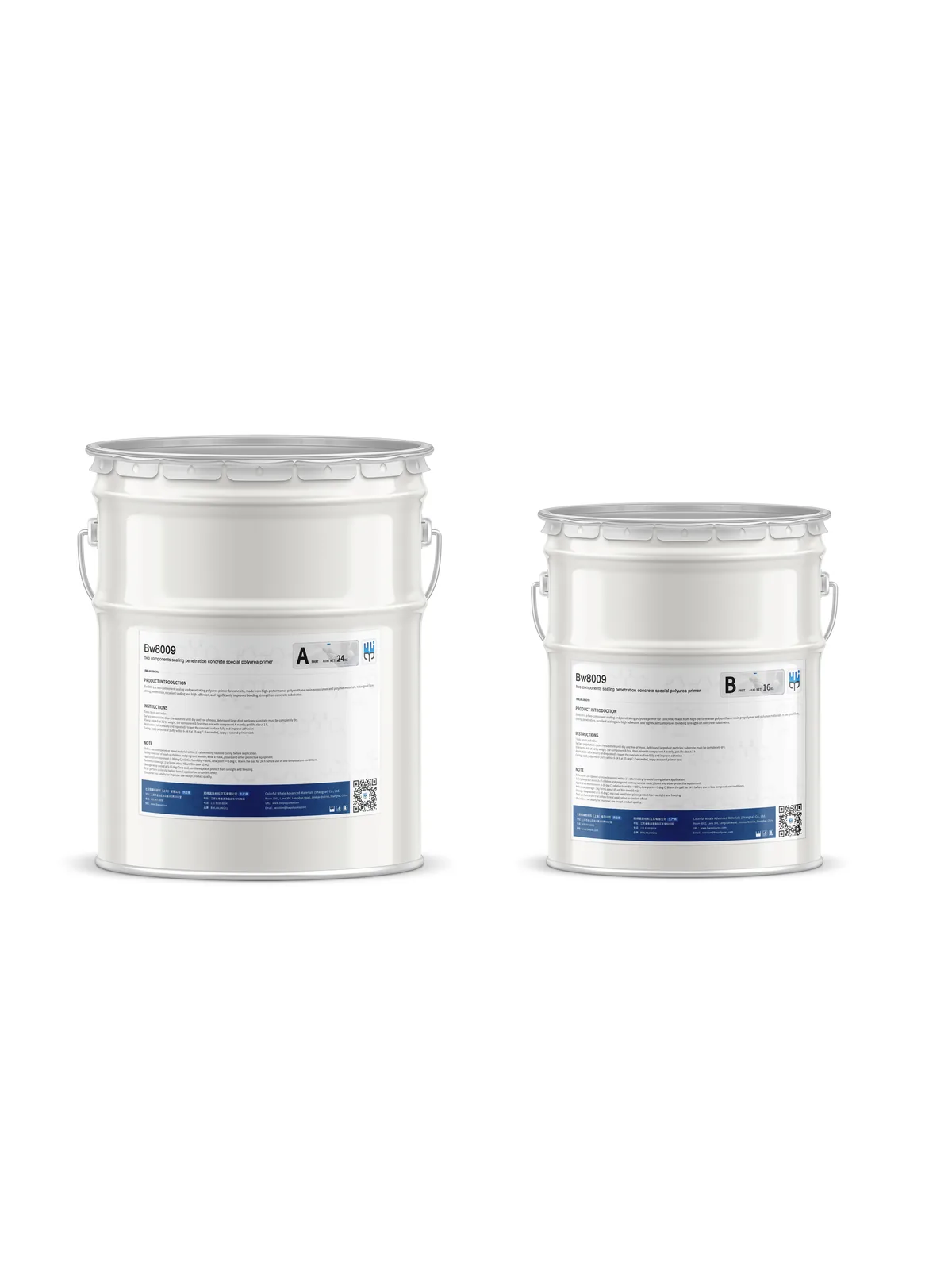
In this project, BW8009 was used as the primer layer. The role of BW8009 is to support concrete substrate sealing and adhesion before the following floor build layers are applied. Pharmaceutical workshop concrete surfaces may contain pores, dusting areas, small cracks, uneven absorption or previous surface defects. A proper primer route helps prepare the mineral substrate, improves bonding support and creates a more stable base for the next flooring layers.
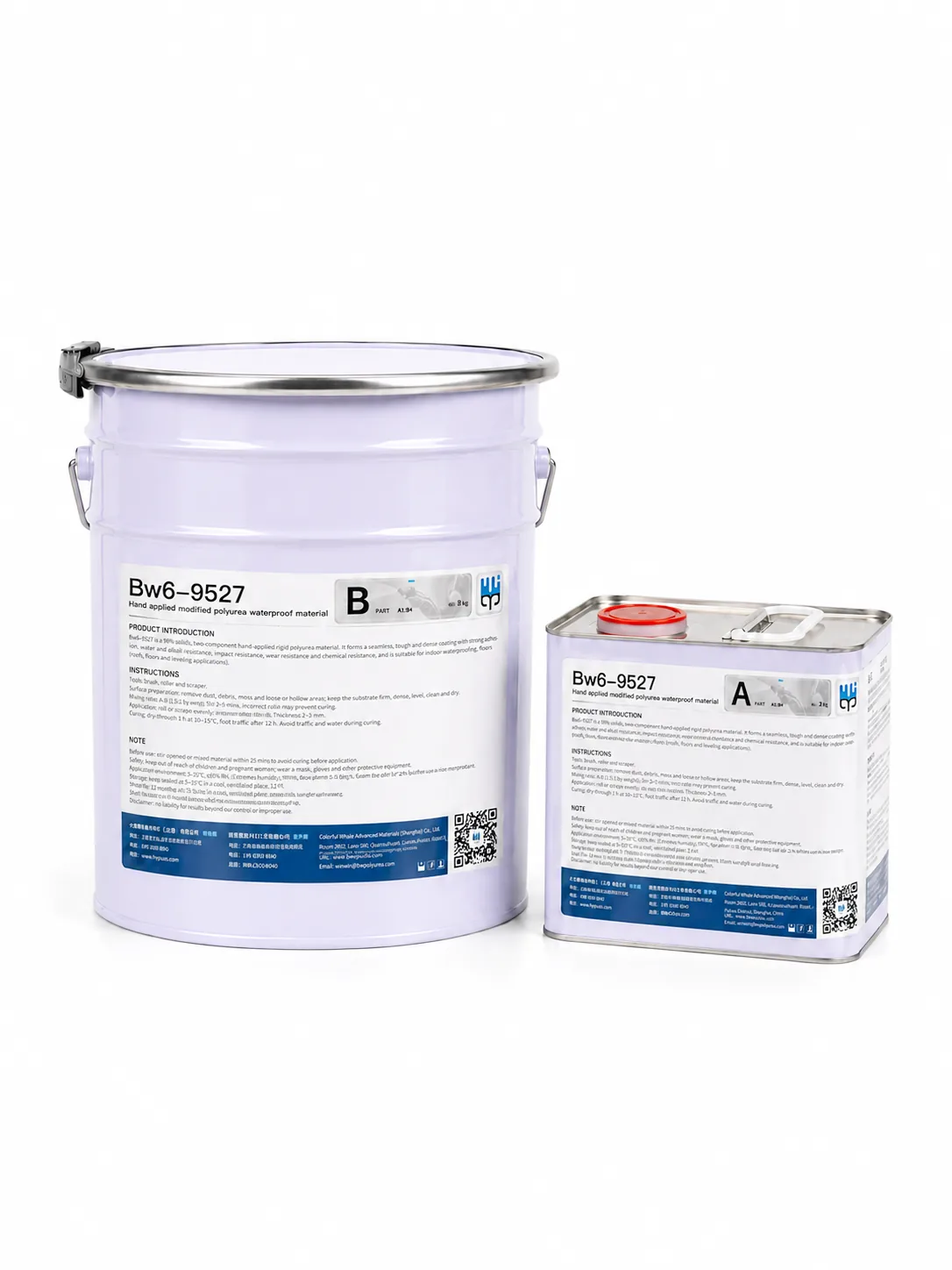
After the primer layer, BW6-9527 with quartz sand was used as the repair, leveling and intermediate build layer. This step is important because a pharmaceutical workshop floor often needs more than a thin surface coating. The concrete base may require local correction, defect treatment, surface strengthening and improved flatness before the final topcoat is applied. The quartz-sand build layer helps improve surface regularity and provides a denser intermediate base for the final floor finish.
The sanding or grinding process after the BW6-9527 quartz-sand layer is also an important part of this route. It helps remove high spots, trowel marks and local surface irregularities, making the intermediate layer more suitable for the final BW0-8027 topcoat. A more even intermediate surface helps improve the final appearance, cleanability and daily use performance of the workshop floor.
BW6-9527 with quartz sand is not the final exposed surface in this system. Its main value is intermediate repair, leveling and build. It helps improve the condition of the concrete substrate and creates a stronger base before the final topcoat. This is especially useful in production workshops, storage areas and equipment rooms where local defects, equipment movement and repeated cleaning may affect floor performance.
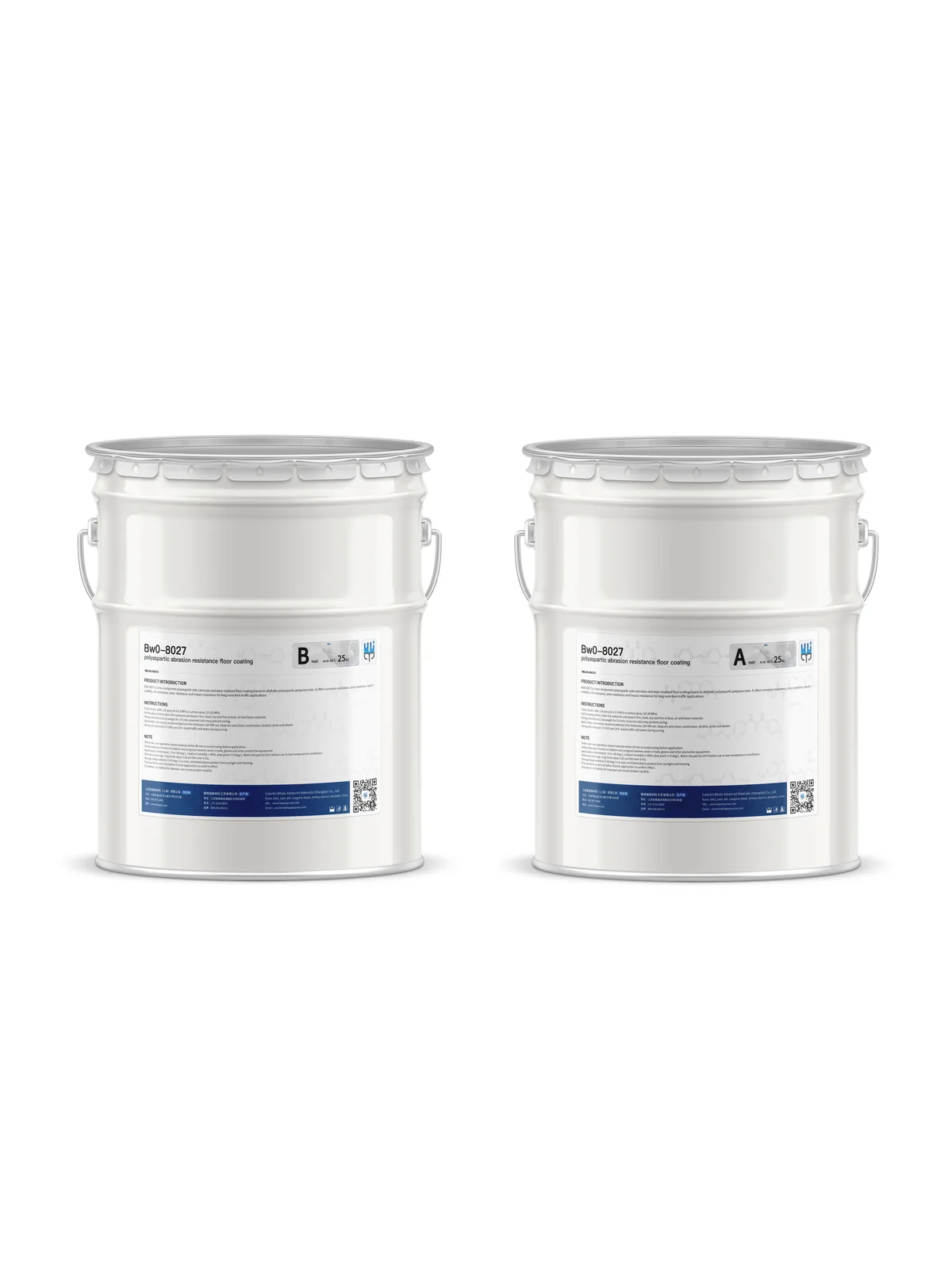
After the intermediate layer was sanded and prepared, BW0-8027 was used as the final wear-resistant protective topcoat. This layer directly faces the daily workshop environment. It helps provide a smoother, cleaner and more durable exposed surface, supporting wear resistance, surface durability and easier maintenance. For pharmaceutical workshop flooring, the final topcoat is important because it needs to withstand cleaning, foot traffic, equipment operation and common workshop contamination.
The finished floor also supports better workshop organization. A continuous coated surface can make production areas, storage areas, walkways and equipment zones easier to manage. It can also support line marking, color zoning and visual control in workshop and warehouse environments. Compared with untreated or worn concrete, a coated floor can help improve the overall cleanliness and professional appearance of the production space.
The full coating route therefore has a clear division of function. BW8009 supports concrete substrate sealing and adhesion. BW6-9527 with quartz sand provides repair, leveling and intermediate build. Sanding or grinding helps refine the intermediate surface before finishing. BW0-8027 provides the final wear-resistant and cleanable topcoat for the exposed workshop floor.
This route is suitable for pharmaceutical workshop flooring because it addresses both substrate condition and daily use requirements. The substrate needs sealing and bonding support, the floor base needs correction and build, and the final surface needs wear resistance, cleanability and durability. By combining primer, quartz-sand build layer, sanding and topcoat, the system is better matched to pharmaceutical production, storage, utility and equipment-area flooring.
The key advantage of this coating route is that it does not treat the pharmaceutical workshop floor as a simple decorative surface. It considers the actual working environment: concrete dusting, cleaning requirements, moisture exposure, equipment movement, local chemical contamination, traffic wear and the need for a cleaner production floor. This makes the system more practical for pharmaceutical workshops, storage warehouses, utility rooms, equipment areas and similar industrial spaces.
For similar pharmaceutical workshop, clean production area, storage room or equipment-room flooring projects, the final coating route should still be reviewed according to concrete condition, cleaning method, chemical exposure, moisture condition, traffic level, equipment load and project requirements. This case provides an application reference for using BW8009, BW6-9527 with quartz sand and BW0-8027 to improve floor surface durability, cleanability and industrial protection in pharmaceutical workshop environments.
Related Products Used

Project Photo Gallery
Project photos show pharmaceutical workshop floor coating, storage warehouse flooring, utility room floor protection, equipment area surfaces, finished wear-resistant topcoat and cleanable industrial floor references.
