
Project case
Bridge Steel Strand Polyurea Protection Case
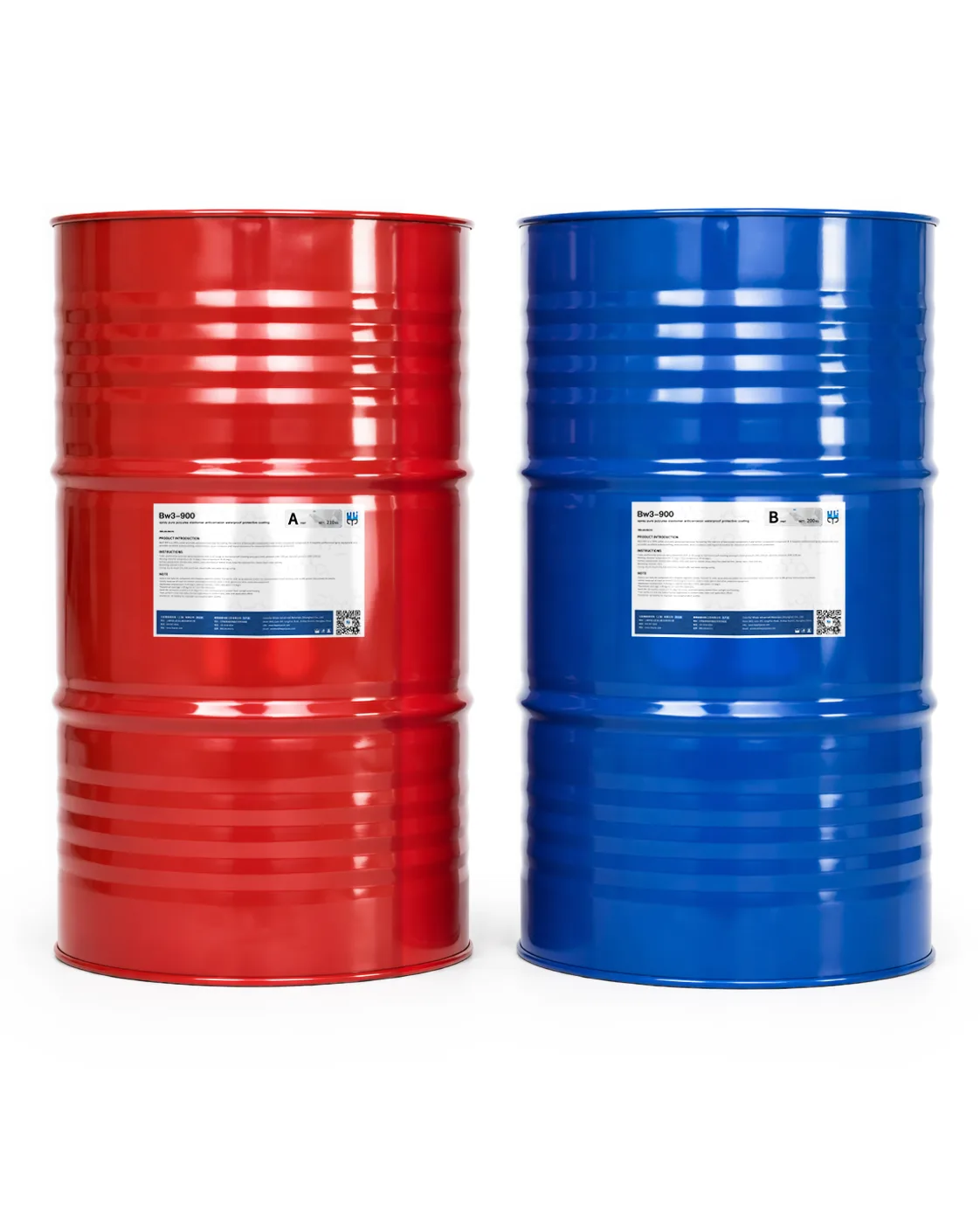
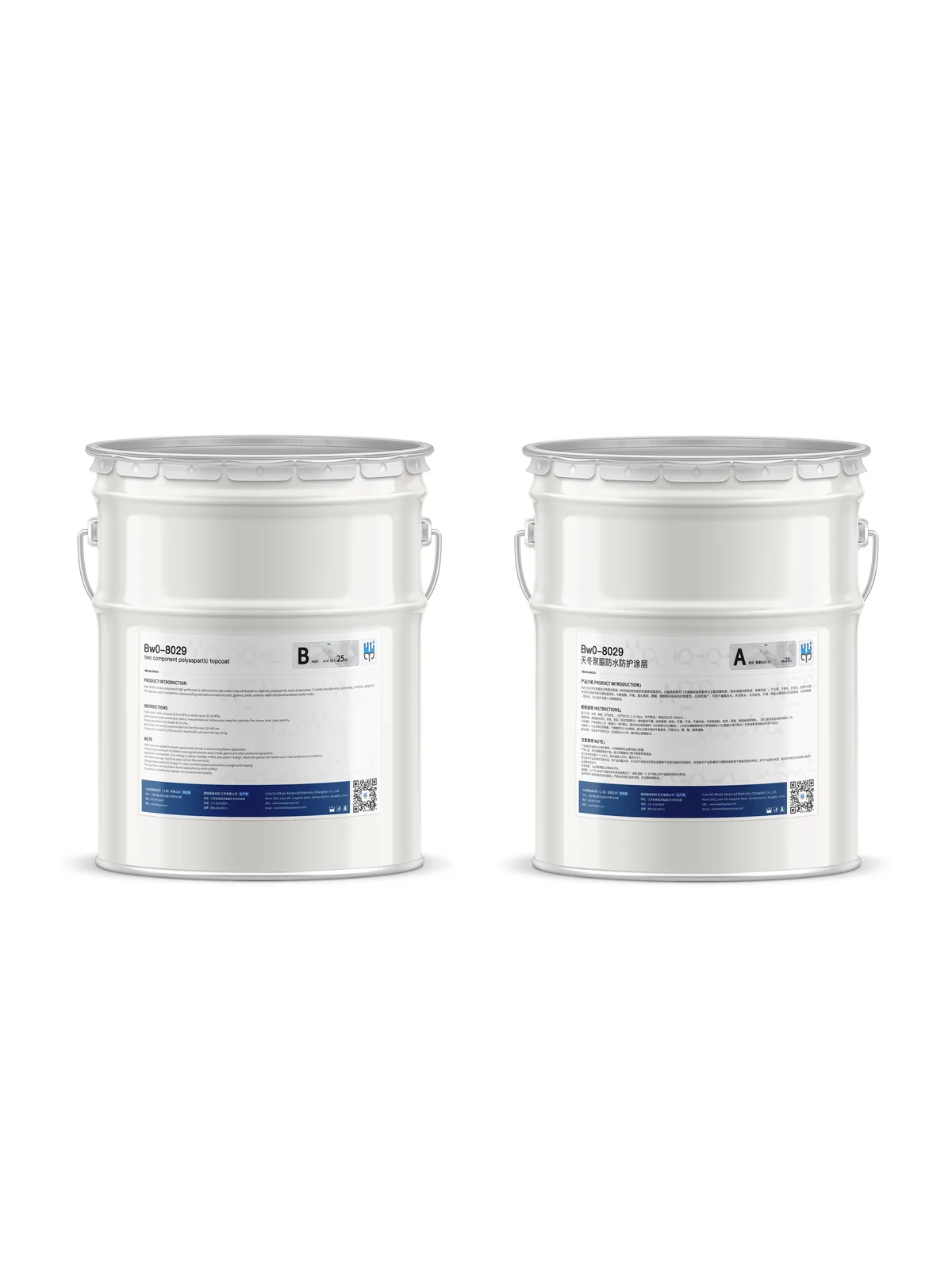
A bridge steel strand protection case using BW3-900 spray polyurea coating and BW0-8029 protective topcoat to support corrosion protection, moisture isolation, coating continuity and exposed surface durability for cable-related steel components.
- Project Type
- Bridge steel strand corrosion protection
- Application Area
- Bridge steel strands, cable-related steel components, tensioned steel elements and infrastructure protection areas
- Main Substrates
- Prepared steel strand surfaces, spiral steel wires, grooves, curved strand surfaces, connection areas and local details
- Service Environment
- Outdoor bridge exposure, moisture, rainwater, chloride-containing environment, sunlight, temperature change, vibration, tension stress and long-term fatigue conditions
- Coating Approach
- BW3-900 spray polyurea protective coating + BW0-8029 exposed protective topcoat
- Main Functions
- Corrosion protection, moisture isolation, flexible surface protection, coating continuity, weather resistance and exposed steel strand durability
Project information is summarized for application reference. Some project details are not disclosed due to confidentiality requirements.

Why This Coating Route Was Used for Bridge Steel Strand Protection
Bridge steel strands and cable-related steel components work under much more demanding conditions than ordinary exposed steel parts. In bridge structures, steel strands may be exposed to outdoor weather, moisture, condensation, rainwater, chloride-containing environments, temperature changes, vibration, tension stress and long-term fatigue loading. If the protective layer is damaged or discontinuous, moisture and corrosive agents may reach the steel surface and gradually affect the durability of the strand system.
One of the main pain points in bridge steel strand protection is corrosion inside or around small gaps. A steel strand is not a simple flat steel plate. It is made of multiple wires twisted together, with narrow grooves, surface texture and possible inter-wire spaces. These details can retain moisture, dust or corrosive contaminants if the surface protection is insufficient. Once corrosion begins in these local areas, it may be difficult to inspect and repair completely.
Another challenge is that bridge steel strands often work under tension and dynamic service conditions. Unlike static decorative metal components, bridge cable or strand systems may experience vibration, wind-induced movement, temperature movement, traffic-related dynamic effects and long-term stress. A suitable coating route therefore needs to provide more than basic color protection. It should support corrosion resistance, surface continuity, flexibility and protection against moisture ingress and local coating damage.
In this project, BW3-900 was used as the main spray polyurea protective coating for the prepared steel strand surface. The purpose of this layer is to form a continuous elastomeric protective membrane around the strand surface. Compared with ordinary thin coating routes, spray polyurea can provide a more functional protective layer that helps isolate the steel from moisture, oxygen and corrosive environmental factors.
The spray-applied nature of BW3-900 is important for steel strand protection because the substrate geometry is complex. Steel strands have curved surfaces, spiral profiles, narrow grooves and repeated line-shaped geometry. A spray-applied coating can better follow these shapes and form a more continuous protective layer over the prepared strand surface. This helps reduce weak points caused by incomplete coverage, exposed grooves or coating discontinuity around curved details.
The elastomeric character of the BW3-900 layer is also valuable in this application. Bridge steel strands may experience vibration, movement and tension-related service conditions. A coating layer that is too rigid may be more vulnerable to cracking or local stress concentration. A flexible spray polyurea layer can better adapt to the strand geometry and service movement, while helping maintain surface protection under practical bridge conditions.
After the BW3-900 main protective layer, BW0-8029 was used as the protective topcoat. This topcoat helps support the exposed surface performance of the system. Bridge steel strands may be exposed to sunlight, outdoor weather, temperature change and long-term environmental aging. BW0-8029 helps provide additional surface protection for the spray polyurea layer and supports the weather-resistant performance of the complete coating route.
In this route, BW0-8029 is not the main protective build layer. Its role is to protect and finish the BW3-900 polyurea membrane. The main barrier function comes from the continuous spray polyurea protective layer, while the topcoat helps improve the exposed surface durability and long-term appearance of the coated strand system.
The full coating route therefore has a clear division of function. BW3-900 forms the main continuous spray polyurea protective membrane around the steel strand surface. BW0-8029 provides the exposed protective topcoat for weathering support and surface durability. Together, the two layers create a coating route focused on corrosion protection, moisture isolation, surface continuity and outdoor exposure resistance.
This case is different from ordinary steel structure painting. Bridge steel strands require more careful attention to surface geometry, coating continuity and long-term environmental exposure. The coating route must be suitable for narrow, curved and repeated strand surfaces, while also helping reduce the risk of moisture and corrosive contaminants reaching the steel surface.
Surface preparation and application control remain critical. Dust, oil, loose rust, moisture, unstable old coating or contamination should be removed or treated before coating work. The coating should be applied carefully around the full strand circumference, grooves, connection areas and local details to reduce exposed weak points. For bridge strand applications, coating continuity and local detail coverage are especially important.
The key value of this coating route is that it treats the steel strand as a complex protective component rather than a simple painted object. BW3-900 helps provide the main continuous elastomeric protective layer, while BW0-8029 supports the exposed topcoat function. This makes the route suitable for bridge steel strand, cable-related steel component and similar infrastructure protection applications where corrosion resistance, flexibility and surface continuity are important.
For similar bridge steel strand, cable protection or tensioned steel component projects, the final coating route should still be reviewed according to strand type, surface condition, existing protection system, exposure environment, movement condition, inspection requirement and project specification. This case provides an application reference for using BW3-900 and BW0-8029 to support bridge steel strand corrosion protection and exposed surface durability.
Related Products Used
Project Photo Gallery
Project photos show bridge steel strand coating work, spray polyurea application on cable-related steel components, strand surface details and finished protective coating references.
