
Project case
Outdoor Anti-Corrosion Flooring Protection Case
An outdoor industrial floor protection case using BW8009 primer, BW6-9527 quartz-sand repair and build layer, and BW0-8027 wear-resistant protective topcoat for chemical tank areas, containment floors and exposed industrial surfaces.
- Project Type
- Outdoor anti-corrosion flooring protection
- Application Area
- Chemical tank farm floor, containment area, equipment platform and outdoor industrial floor
- Main Substrates
- Prepared concrete floor surfaces, tank base areas, drainage zones, pipe supports, equipment foundations, curbs and local details
- Service Environment
- Outdoor exposure, rainwater, moisture, temperature change, sunlight, cleaning water, chemical splash, oil contamination and industrial maintenance conditions
- Coating Approach
- BW8009 primer + BW6-9527 with quartz sand repair / build layer + BW0-8027 wear-resistant weather-resistant protective topcoat
- Main Functions
- Concrete sealing, anti-corrosion floor protection, liquid penetration reduction, surface durability, cleanability, weather resistance and local detail protection
Project information is summarized for application reference. Some project details are not disclosed due to confidentiality requirements.

Why This Coating Route Was Used for Outdoor Anti-Corrosion Flooring Protection
Outdoor anti-corrosion flooring is different from ordinary indoor workshop flooring. In chemical tank farms, containment areas, equipment platforms or outdoor industrial floors, the concrete surface may face rainwater, standing water, chemical splash, cleaning water, temperature changes, sunlight, moisture vapor, equipment maintenance traffic and occasional spill exposure. If the concrete is left unprotected, liquids can enter pores, cracks and local defects, causing surface deterioration, contamination risk, dusting, staining and long-term maintenance difficulty.
One of the main pain points in this type of project is that concrete is naturally porous. In outdoor industrial areas, the floor may be exposed to water, chemical liquids, alkaline or acidic residues, oil contamination and cleaning agents. Once these substances penetrate into the concrete surface, they can be difficult to remove and may gradually damage the substrate. For chemical tank areas or containment floors, the coating system must therefore focus on sealing, surface protection and reducing liquid penetration risk.
Another challenge is outdoor exposure. Unlike indoor flooring, outdoor anti-corrosion floors must withstand sunlight, rain, wet-dry cycles, temperature variation and environmental aging. The surface may also experience water pooling around drainage channels, tank bases, pipe supports, equipment foundations and perimeter details. If the coating is too thin, poorly bonded or not suitable for exposed service, cracking, peeling, discoloration, softening or local failure may appear over time.
Local details are also critical. Outdoor tank farms and industrial containment areas often include tank bases, pipe penetrations, drainage trenches, curb edges, equipment footings, column bases, wall-floor transitions and raised concrete details. These areas are more likely to retain moisture, collect chemical residue or suffer mechanical damage during maintenance. A practical anti-corrosion floor route needs to address both the large flat areas and these local details.
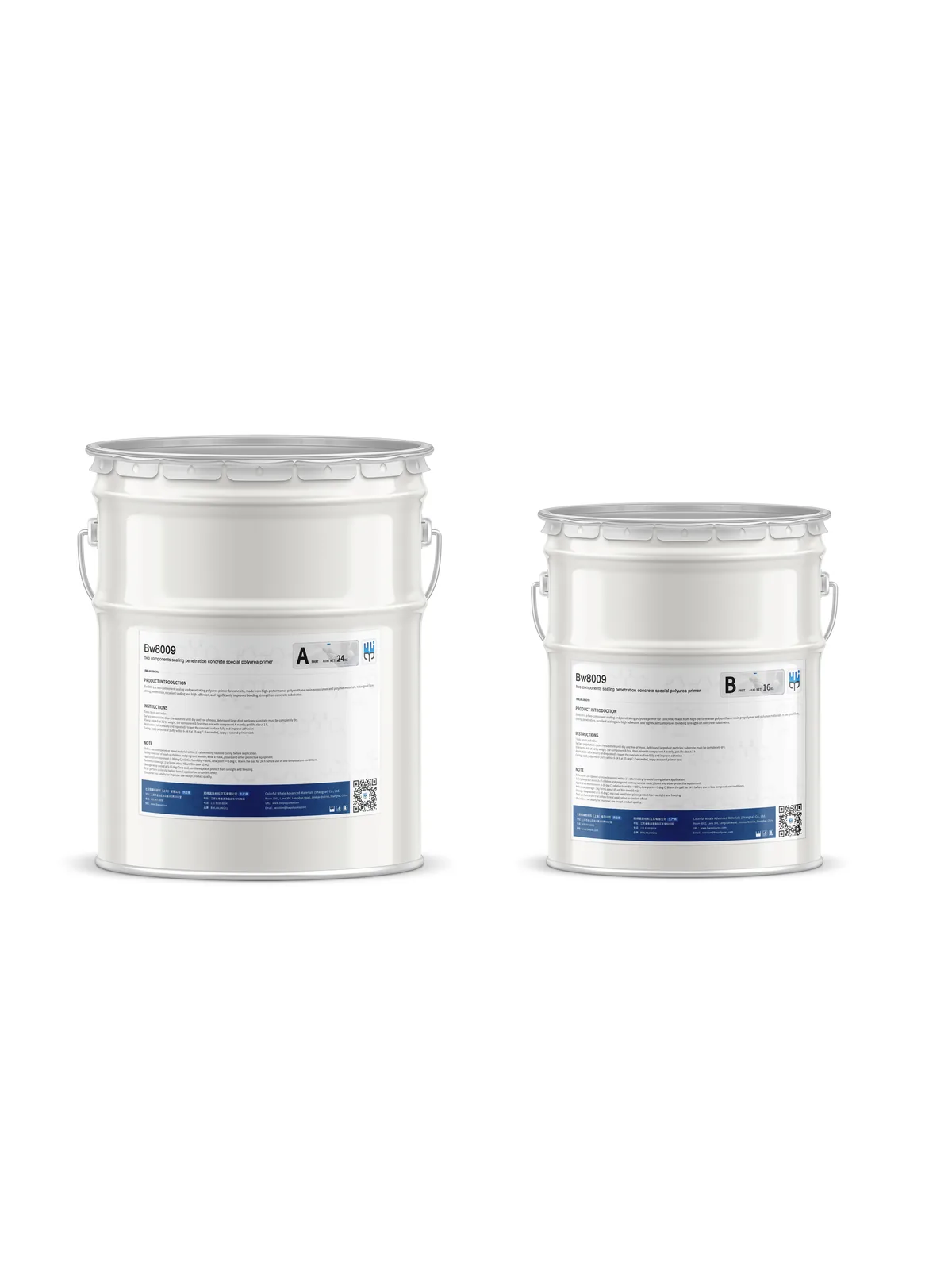
In this project, BW8009 was used as the primer layer. The role of BW8009 is to support concrete substrate sealing and adhesion before the following repair and build layers are applied. Outdoor concrete surfaces may contain pores, dusting areas, small cracks, uneven absorption, moisture pathways and previous surface defects. A suitable primer helps prepare the mineral substrate and creates a more stable bonding base for the subsequent coating system.
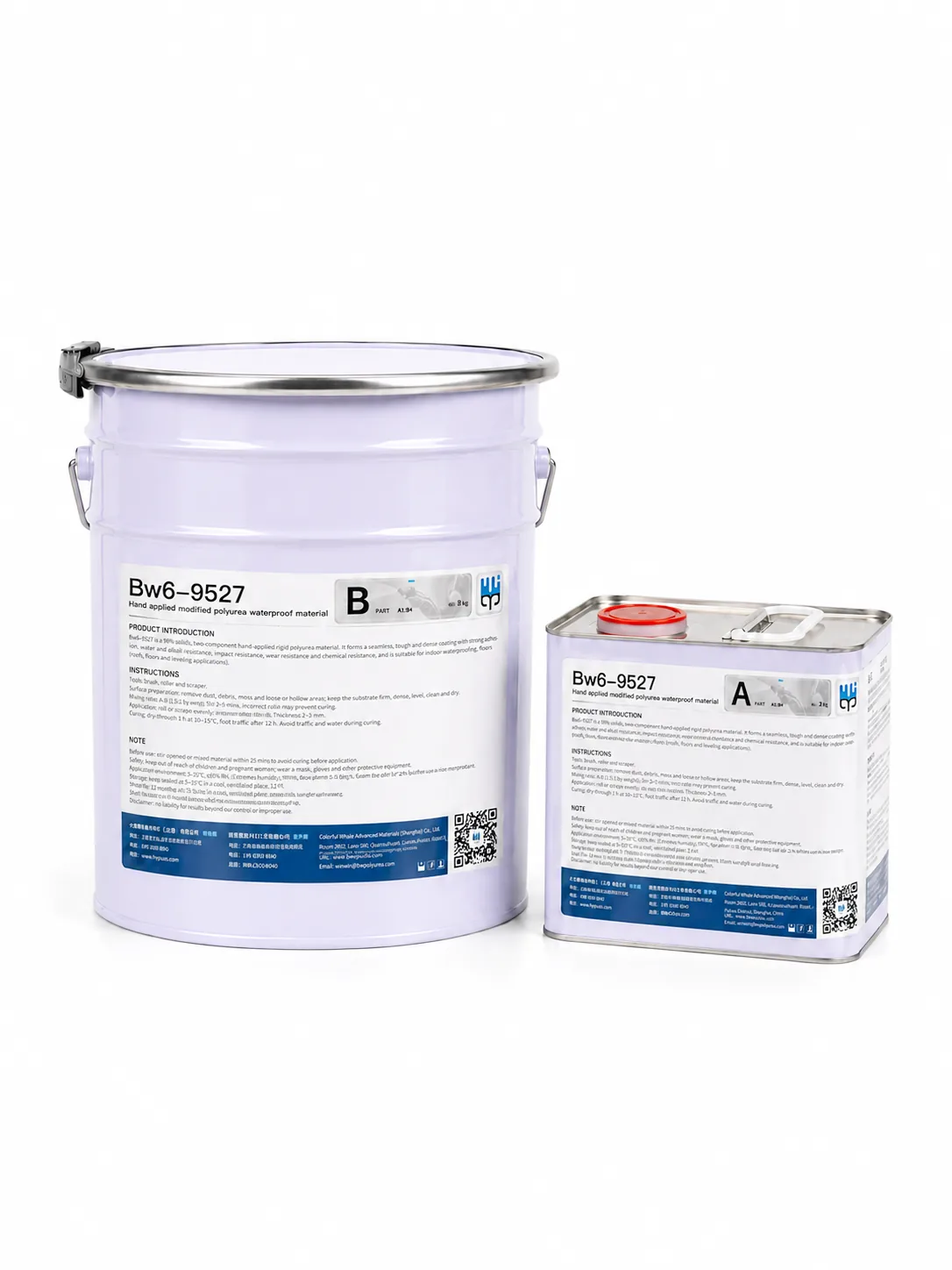
After the primer layer, BW6-9527 with quartz sand was used as the repair, leveling and intermediate build layer. This step is important because outdoor anti-corrosion floors often require more than a simple topcoat. The concrete surface may need local correction, defect filling, surface strengthening and a denser intermediate layer before the final exposed coating is applied. The quartz-sand build route helps improve surface regularity and creates a more practical base for chemical tank farm and outdoor industrial floor protection.
BW6-9527 with quartz sand is not the final exposed surface in this route. Its main value is intermediate build and substrate correction. It helps improve the condition of the prepared concrete surface, supports surface leveling and provides a stronger base for the final protective topcoat. This is especially useful in outdoor containment areas where concrete defects, slopes, drainage areas and local repair zones can affect coating continuity.
Sanding or surface refinement after the quartz-sand build layer may be required according to the project condition. This step helps remove high spots, trowel marks or surface irregularities and makes the intermediate layer more suitable for the final BW0-8027 topcoat. A more even intermediate surface helps improve the finish quality, cleanability and durability of the exposed floor system.
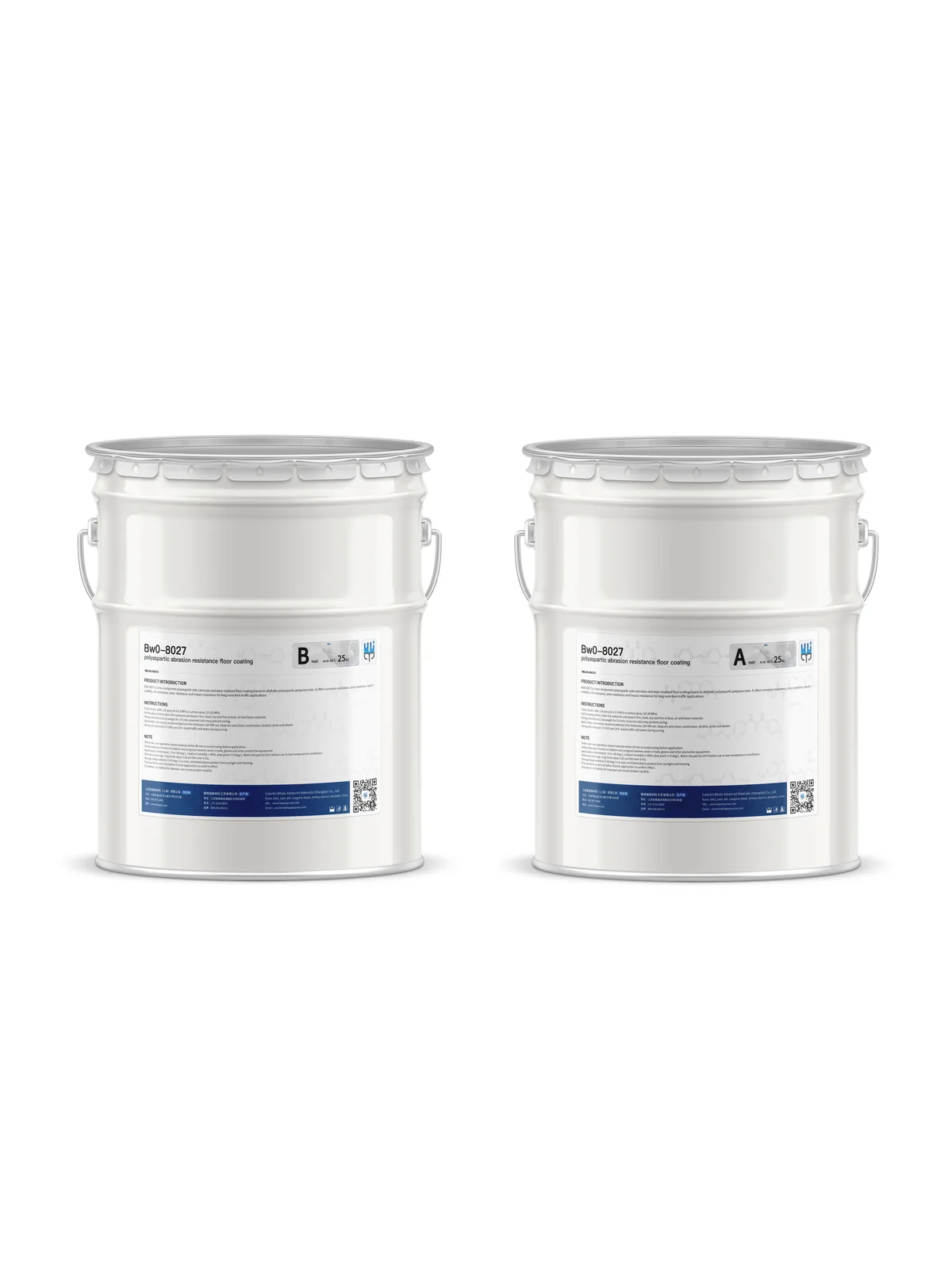
BW0-8027 was then used as the final wear-resistant and weather-resistant protective topcoat. This layer directly faces the outdoor service environment. Its function is to provide the exposed floor surface with additional wear resistance, weather protection, surface durability and cleanability. For outdoor anti-corrosion flooring, the topcoat must support long-term surface protection under sunlight, rain, moisture, cleaning work and occasional chemical splash conditions.
The full coating route therefore has a clear division of function. BW8009 supports concrete substrate sealing and adhesion. BW6-9527 with quartz sand provides repair, leveling and intermediate build. BW0-8027 provides the final exposed protective surface for outdoor anti-corrosion flooring. Each layer plays a different role, and the system should not be treated as a single decorative floor coating.
This route is suitable for outdoor anti-corrosion flooring because it addresses both substrate problems and service-environment requirements. The concrete substrate needs sealing and bonding support; the floor base needs repair and build; and the final exposed surface needs weather resistance, wear resistance, cleanability and protection against liquid exposure. By combining primer, quartz-sand build layer and protective topcoat, the system is better matched to outdoor chemical tank areas, containment floors, equipment platforms and similar industrial environments.
The key advantage of this coating route is that it considers the real working conditions of outdoor industrial floors. These areas may experience chemical splash, rainwater, maintenance traffic, equipment movement, UV exposure and drainage-related moisture. A simple thin coating may not be enough. The BW8009 + BW6-9527 with quartz sand + BW0-8027 route provides a more complete protection approach by combining substrate preparation, intermediate build and exposed surface protection.
For similar outdoor anti-corrosion floors, chemical tank farm floors, containment areas, equipment platforms or industrial maintenance zones, the final coating route should still be reviewed according to concrete condition, chemical exposure type, drainage design, outdoor weathering, traffic level, substrate moisture and project requirements. This case provides an application reference for using BW8009, BW6-9527 with quartz sand and BW0-8027 to improve surface durability, anti-corrosion floor protection and cleanability in outdoor industrial environments.
Related Products Used

Project Photo Gallery
Project photos show outdoor anti-corrosion floor protection around tank areas, pipe corridors, drainage zones, equipment bases, finished coating surfaces and exposed industrial floor details.