
Project case
Bridge Local Repair and Waterproofing Protection Case
A bridge repair case using BW8010 primer, two layers of BW6-9528 hand-applied polyurea with local polyester fabric reinforcement and BW0-8029 protective topcoat for bridge detail repair, waterproofing continuity and exposed surface protection.
- Project Type
- Bridge local repair and waterproofing protection
- Application Area
- Bridge beam underside, pier connection areas, concrete edges, cracks, joints and local repair details
- Main Substrates
- Prepared concrete surfaces, beam underside areas, pier caps, column-to-beam transitions, cracks, edges and local defects
- Service Environment
- Outdoor bridge exposure, rainwater, seepage risk, moisture, temperature change, vibration, concrete aging and maintenance conditions
- Coating Approach
- BW8010 primer + two BW6-9528 hand-applied polyurea layers with local polyester fabric reinforcement + BW0-8029 protective topcoat
- Main Functions
- Local concrete repair, waterproofing continuity, crack and joint reinforcement, detail protection, weather resistance and exposed surface protection
Project information is summarized for application reference. Some project details are not disclosed due to confidentiality requirements.

Why This Coating Route Was Used for Bridge Local Repair and Waterproofing Protection
Bridge repair is different from ordinary surface coating work. In bridge structures, local defects often appear around concrete beams, slab undersides, pier caps, column-to-beam transitions, cracks, construction joints, exposed edges and water-stained areas. These locations may be affected by rainwater, seepage, vibration, temperature movement, concrete aging and long-term environmental exposure. If local weak areas are not treated properly, water can continue to enter the concrete structure and increase the risk of reinforcement corrosion, surface deterioration and repeated maintenance.
One of the main pain points in bridge repair is that damage does not always occur evenly across a large surface. Leakage, cracking and concrete deterioration often begin from local details. Beam edges, underside joints, corner transitions, column heads, expansion-related areas and previous repair zones can become weak points because they may collect moisture, experience stress concentration or have more difficult coating access. A practical repair route therefore needs to focus on local reinforcement rather than treating the bridge surface as a simple flat plane.
Another challenge is the working position. Bridge repair may involve vertical surfaces, overhead areas, beam undersides and narrow spaces under the structure. These areas are more difficult to treat than a flat roof or open floor. A material route for this kind of application needs to be suitable for hand application, local build-up, detail treatment and controlled reinforcement around cracks, edges and transition zones.
In this project, BW8010 was used as the primer layer before the hand-applied repair coating. Its role is to support adhesion and substrate preparation on the prepared concrete repair areas, especially around porous surfaces, edges, local defects and underside details where coating continuity depends on a stable bonding interface.
After the BW8010 primer layer, BW6-9528 was used for local repair and waterproofing protection, together with polyester fabric reinforcement. The purpose of this route is to strengthen local weak areas before the final exposed protective layer is applied. BW6-9528 is suitable for hand-applied detail treatment because it can be applied more precisely around bridge joints, cracks, corners, edges and underside repair areas where spray equipment or large-area coating methods may not be practical.
The polyester fabric reinforcement is an important part of this repair route. Local bridge defects may involve small cracks, joints, surface transitions or areas where movement and stress are more concentrated. By embedding polyester fabric into the BW6-9528 coating layer, the repair area receives additional reinforcement and better continuity across the weak point. This helps the coating layer bridge local defects more effectively than a coating layer applied without reinforcement.
The two-layer BW6-9528 application has a clear purpose. The first layer helps wet and bond the prepared surface while receiving the polyester fabric reinforcement. The fabric is then embedded and pressed into the coating layer so that it follows the repair area. The second BW6-9528 layer encapsulates the fabric and helps form a more continuous reinforced waterproofing layer. This coating + fabric + coating route is especially useful for local bridge repair areas where cracks, edges and details need additional strength and waterproofing continuity.
In this route, BW6-9528 is not used as a simple surface paint. It functions as the main local repair and waterproofing reinforcement layer. Its value is in forming a flexible, hand-applied protective layer over prepared bridge concrete details while integrating polyester fabric reinforcement in areas that require additional support. This makes it more suitable for localized repair work than a thin coating applied directly over damaged or irregular concrete.
After the reinforced BW6-9528 repair layer was completed, BW0-8029 was used as the protective topcoat. Bridge repair areas may remain exposed to outdoor weather, sunlight, rainwater, temperature change and environmental aging. The role of BW0-8029 is to provide exposed surface protection for the repaired area, helping support weather resistance, surface durability and long-term appearance of the coating system.
In this coating route, BW0-8029 is not the main repair layer and not the main reinforcement layer. Its role is to protect and finish the BW6-9528 reinforced repair system. The local waterproofing and reinforcement function mainly comes from the two BW6-9528 layers with embedded polyester fabric, while BW0-8029 supports the exposed surface performance.
The full coating route therefore has a clear division of function. BW8010 supports primer adhesion and substrate preparation. BW6-9528 is used for local repair and waterproofing treatment. Polyester fabric reinforcement helps strengthen cracks, joints, edges and other weak details. The second BW6-9528 layer encapsulates the reinforcement and improves local coating continuity. BW0-8029 provides the final exposed protective topcoat for weathering and surface durability.
This route is suitable for bridge repair because it addresses the real weak points of bridge structures. Instead of applying a general coating over the whole area without distinction, the system focuses on local defects, cracks, transitions and underside details where water ingress and coating stress are more likely to occur. The hand-applied reinforced route also makes it more practical for overhead, vertical and irregular bridge repair locations.
Surface preparation remains critical. Loose concrete, dust, oil contamination, unstable old coating, hollow areas and weak repair materials should be removed or treated before application. Cracks, joints, edges, beam undersides and column-to-beam transitions should be reviewed carefully because these locations often determine the success of the local repair system. A reinforced coating route can improve local protection, but it still depends on a stable and properly prepared substrate.
The key advantage of this case is that the coating route combines primer adhesion support, local repair, fabric reinforcement and exposed surface protection. BW8010 supports the prepared substrate interface, BW6-9528 provides the hand-applied repair and waterproofing layer, polyester fabric reinforces local weak areas, and BW0-8029 protects the finished surface from outdoor exposure. This makes the system suitable for bridge underside repair, beam and pier details, local concrete waterproofing repair and similar infrastructure maintenance applications.
For similar bridge repair, concrete beam underside, pier cap, column connection or local waterproofing repair projects, the final coating route should still be reviewed according to concrete condition, crack movement, leakage condition, substrate strength, exposure environment and maintenance requirements. This case provides an application reference for using BW8010 primer, BW6-9528 with polyester fabric reinforcement and BW0-8029 topcoat to improve local waterproofing continuity, detail reinforcement and exposed surface protection in bridge repair applications.
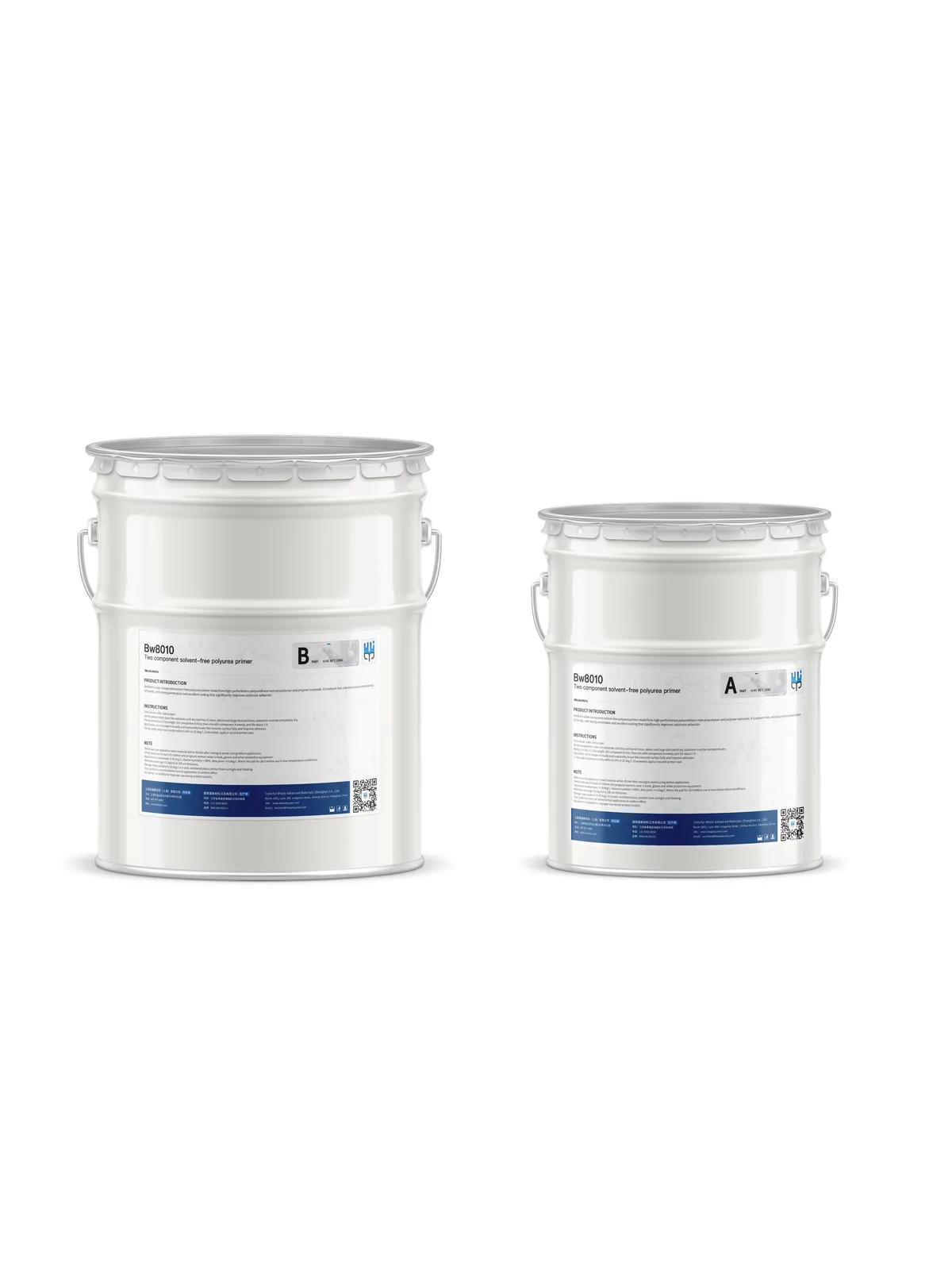
Related Products Used


Project Photo Gallery
Project photos show bridge local repair areas, underside concrete details, polyester fabric reinforced coating work, BW6-9528 local waterproofing repair and finished BW0-8029 protective topcoat references.
