
Project case
Hangzhou Yan’an Road Pedestrian Overpass Walkway Polyurea Protection Case
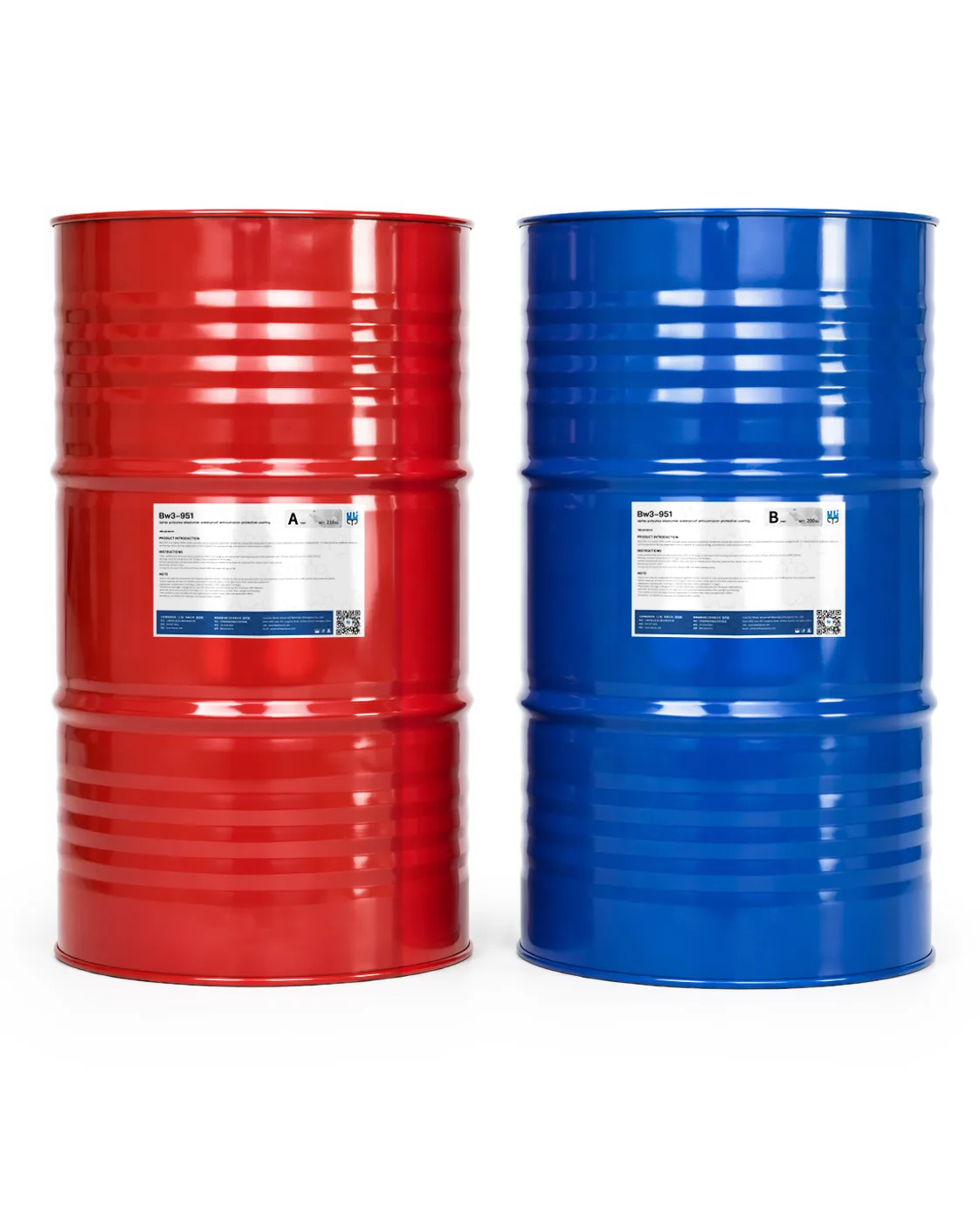
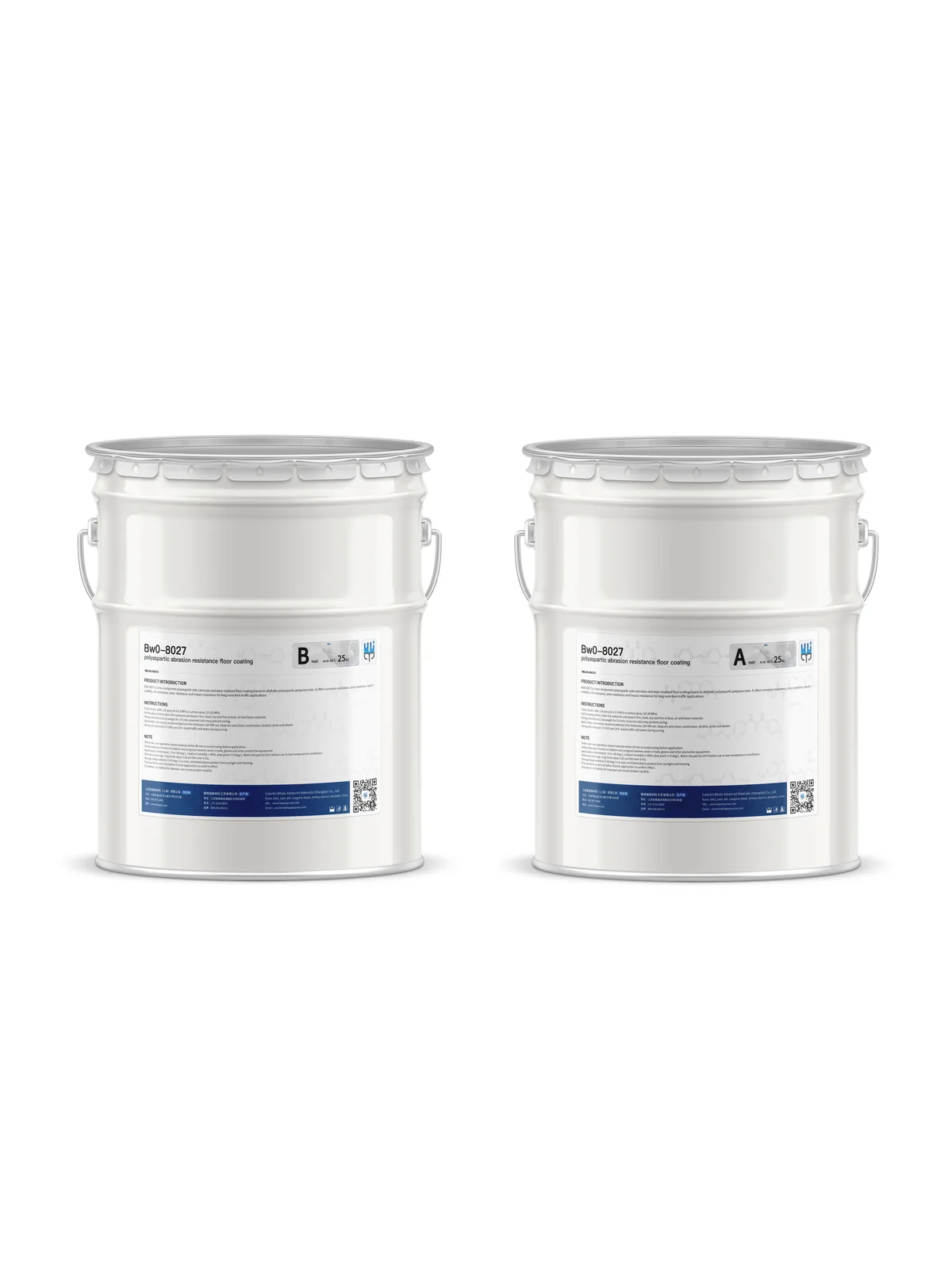
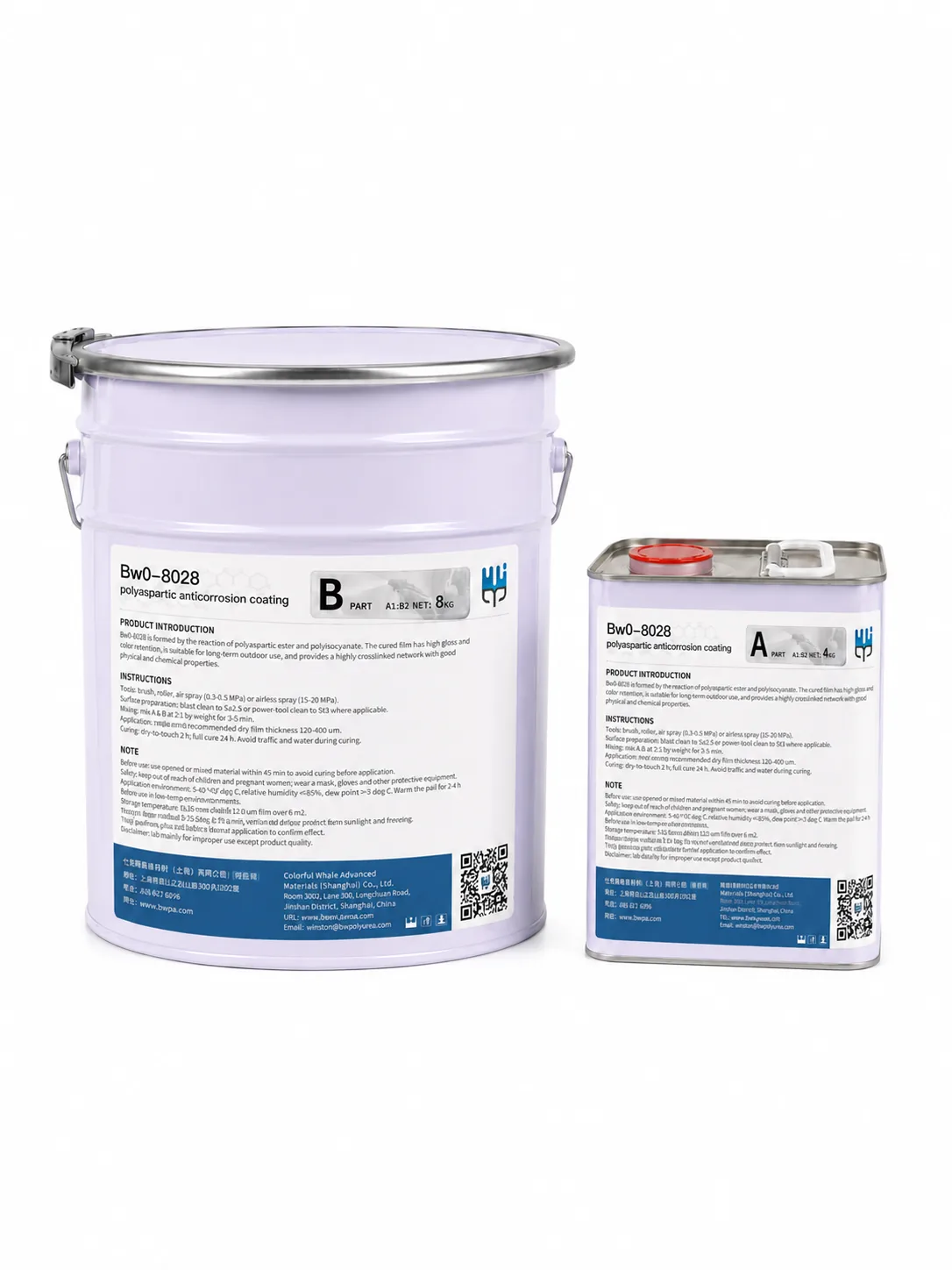
A pedestrian overpass protection case using approximately 1.2 mm BW3-951 spray polyurea coating and BW0-8027 protective topcoat for the walkway surface, with BW0-8028 exposed anti-corrosion coating for the exterior steel structure.
- Project Type
- Pedestrian overpass walkway and steel structure protection
- Application Area
- Urban pedestrian overpass walkway, bridge deck surface, parapet edges, drainage details and exterior steel structure
- Main Substrates
- Prepared walkway deck surface, bridge deck details, edges, drainage openings, steel truss members, steel supports and local structural components
- Service Environment
- Daily pedestrian traffic, rainwater, sunlight, temperature change, wet-dry cycles, urban dust, public maintenance and atmospheric corrosion conditions
- Coating Approach
- BW3-951 spray polyurea protective layer, about 1.2 mm + BW0-8027 protective topcoat for walkway surface; BW0-8028 exposed anti-corrosion coating for exterior steel structure
- Main Functions
- Walkway waterproofing support, wear resistance, weather resistance, surface durability, cleanability, bridge deck protection and exterior steel structure anti-corrosion protection
Project information is summarized for application reference. Some project details are not disclosed due to confidentiality requirements.

Why This Coating Route Was Used for Pedestrian Overpass Walkway and Steel Structure Protection
Urban pedestrian overpasses are exposed to a combination of public traffic, outdoor weather and structural maintenance challenges. Unlike an ordinary indoor floor or a simple steel structure coating project, a pedestrian overpass needs to support daily foot traffic, rainwater exposure, sunlight, temperature change, dust, air pollution, cleaning work and long-term public use. The coating system must therefore consider both the walking surface and the exposed steel structure.
One of the main pain points of pedestrian overpass walkways is surface wear. The bridge deck is used by pedestrians every day, and local areas may experience repeated walking traffic, cleaning work, maintenance access and occasional mechanical contact. If the surface layer is weak, it may become worn, dirty, cracked or difficult to maintain over time. For a public walkway, the finished surface should be more than decorative. It needs to support surface durability, cleanability and long-term exposed performance.
Another important concern is water ingress. Pedestrian bridge decks may be exposed to rainwater, standing water, drainage problems, wet-dry cycles and temperature movement. Water may enter through joints, cracks, drainage details, edge transitions or damaged coating areas. Once moisture reaches the substrate or steel-related parts, it may increase the risk of corrosion, concrete deterioration, coating peeling and repeated repair work. For an overpass located in a dense urban environment, reducing later maintenance difficulty is especially important.
The walkway area also includes many details that are easy to overlook. Parapet edges, drainage openings, expansion-related areas, deck seams, side upturns and connection zones can become weak points if coating continuity is poor. A spray-applied protective layer is useful because it can form a more continuous membrane over the prepared walkway surface and help reduce seam-related weak points compared with systems that depend heavily on overlapping sheet materials.
In this project, BW3-951 was applied as the main spray polyurea protective layer on the pedestrian walkway surface at approximately 1.2 mm. This layer provides the main continuous protective membrane for the deck surface. Its value is in forming a seamless, elastomeric and durable coating layer that helps support waterproofing continuity, surface protection and resistance to daily wear under outdoor walkway conditions.
The approximately 1.2 mm BW3-951 layer is important because the walkway surface needs a functional protective build rather than only a thin decorative finish. The coating helps create a barrier against moisture exposure while also supporting surface durability for public pedestrian use. Its elastomeric character also helps the coating better adapt to minor substrate movement, temperature variation and local stress around deck details.
After the BW3-951 spray polyurea layer, BW0-8027 was used as the exposed protective topcoat for the walkway area. This topcoat directly faces the outdoor walking environment. Its role is to support wear resistance, weather resistance, surface durability and easier maintenance of the pedestrian deck surface. In this route, BW0-8027 is not the main waterproofing build layer. It protects and finishes the BW3-951 polyurea layer and helps improve the final exposed surface performance.
The exterior steel structure of the pedestrian overpass also requires protection. The steel frame, truss members, supports and visible structural components may be exposed to rainwater, humidity, temperature change, sunlight, urban dust and atmospheric corrosion. These conditions can gradually affect unprotected or poorly protected steel surfaces, especially around welds, edges, bolt areas, joints and hard-to-access underside details.
For the exterior steel structure, BW0-8028 was used as the exposed anti-corrosion protective coating. The purpose of BW0-8028 is to support atmospheric anti-corrosion protection, weather resistance and visible surface durability for the steel components. This is different from the walkway deck coating route. The walkway requires a spray polyurea membrane and wear-resistant topcoat, while the external steel structure requires an exposed anti-corrosion coating suitable for outdoor steel service.
The full project route therefore has a clear division of function. BW3-951 forms the main spray polyurea protective membrane for the pedestrian walkway surface. BW0-8027 provides the exposed wear-resistant and weather-resistant topcoat for the walking area. BW0-8028 supports atmospheric anti-corrosion protection for the exterior steel structure. Each material is used according to the service condition of the specific part of the overpass.
This route is suitable for an urban pedestrian overpass because the project includes both deck surface protection and steel structure protection. The deck must handle foot traffic, rainwater and surface wear, while the steel structure must resist outdoor atmospheric corrosion and maintain a clean appearance in a public environment. Treating all areas with one single material would not match the different functional requirements of the walkway and the steel frame.
Surface preparation and detail treatment remain critical. The walkway substrate should be cleaned, repaired and prepared before spray application. Cracks, joints, drainage openings, edges and upturns should be reviewed carefully because these locations often determine waterproofing continuity. For steel components, rust, dust, oil contamination, unstable old coating and poorly prepared edges or welds should be treated before the exposed anti-corrosion coating is applied.
The key advantage of this coating route is that it matches the real service conditions of a pedestrian overpass. It uses BW3-951 to provide a continuous spray polyurea protective layer on the walkway, BW0-8027 to improve the exposed walking surface performance, and BW0-8028 to support the anti-corrosion protection of the exterior steel structure. This makes the system more practical for public overpass projects than a simple decorative coating approach.
For similar pedestrian overpasses, urban walkway bridges, bridge deck walkways or exterior steel bridge structures, the final coating route should still be reviewed according to substrate condition, drainage design, traffic level, steel surface condition, exposure environment, maintenance access and project requirements. This case provides an application reference for using BW3-951, BW0-8027 and BW0-8028 to support pedestrian walkway protection and exterior steel structure anti-corrosion performance.
Related Products Used

Project Photo Gallery
Project photos show pedestrian overpass walkway coating, BW3-951 spray polyurea deck protection, finished BW0-8027 walkway topcoat, exterior steel structure coating and urban overpass application references.
