
Project case
Chemical Plant Cooling Water Discharge Pipe Single-Component Polyurea Protection Case
A chemical plant cooling water discharge pipe protection case using BW8008 metal primer and 959 single-component polyurea coating to support corrosion protection, moisture resistance, condensation-related protection and surface durability for industrial steel pipe components.
- Project Type
- Cooling water discharge pipe anti-corrosion protection
- Application Area
- Chemical plant cooling water discharge pipes, prefabricated steel pipe sections, elbows, flanges and pipe connection details
- Main Substrates
- Prepared steel pipe surfaces, pipe bends, welded joints, flanges, pipe openings, support areas and local pipe details
- Service Environment
- Cooling water temperature difference, moisture, condensation risk, chemical plant atmosphere, cleaning water, installation handling and industrial maintenance conditions
- Coating Approach
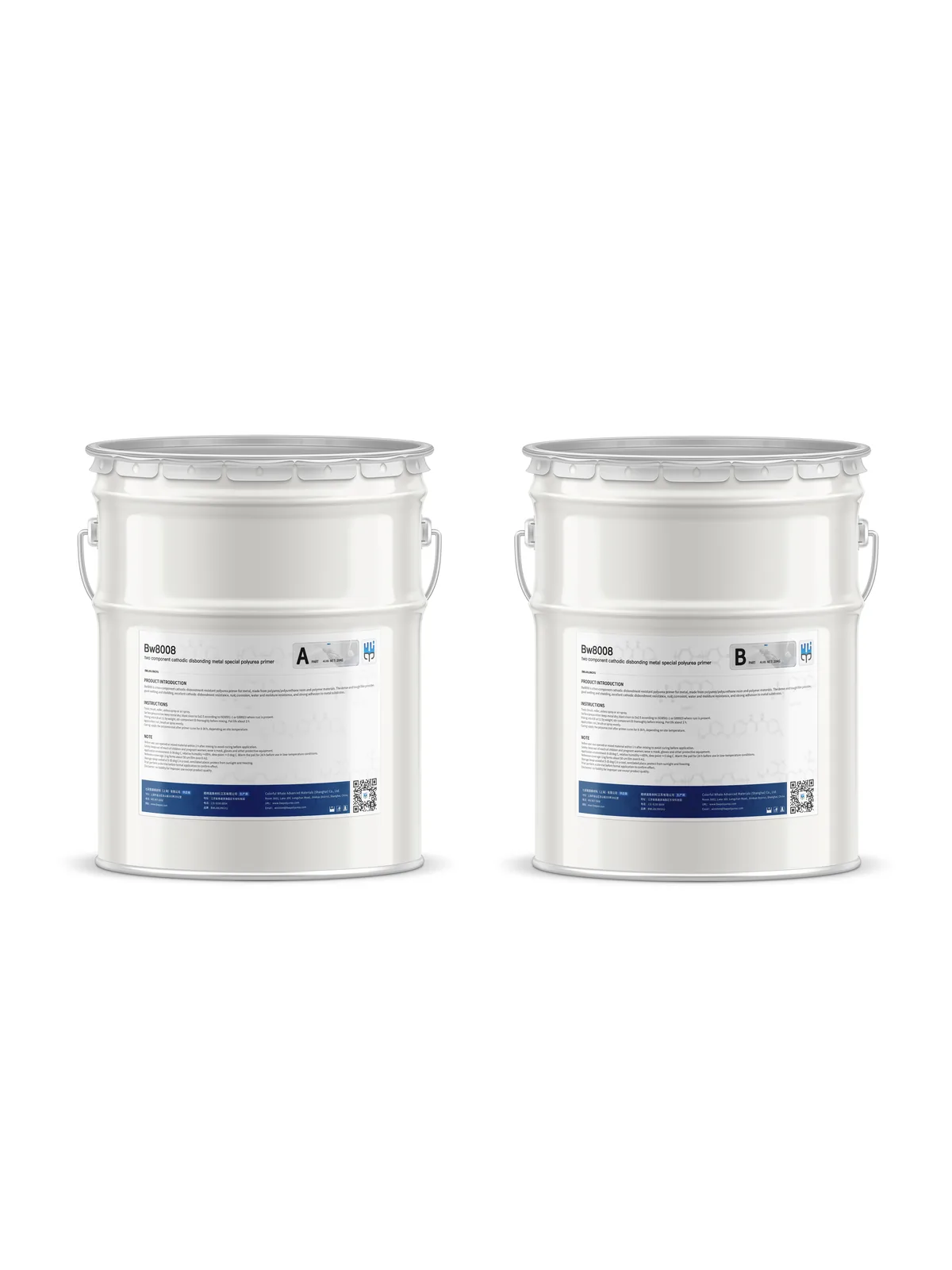
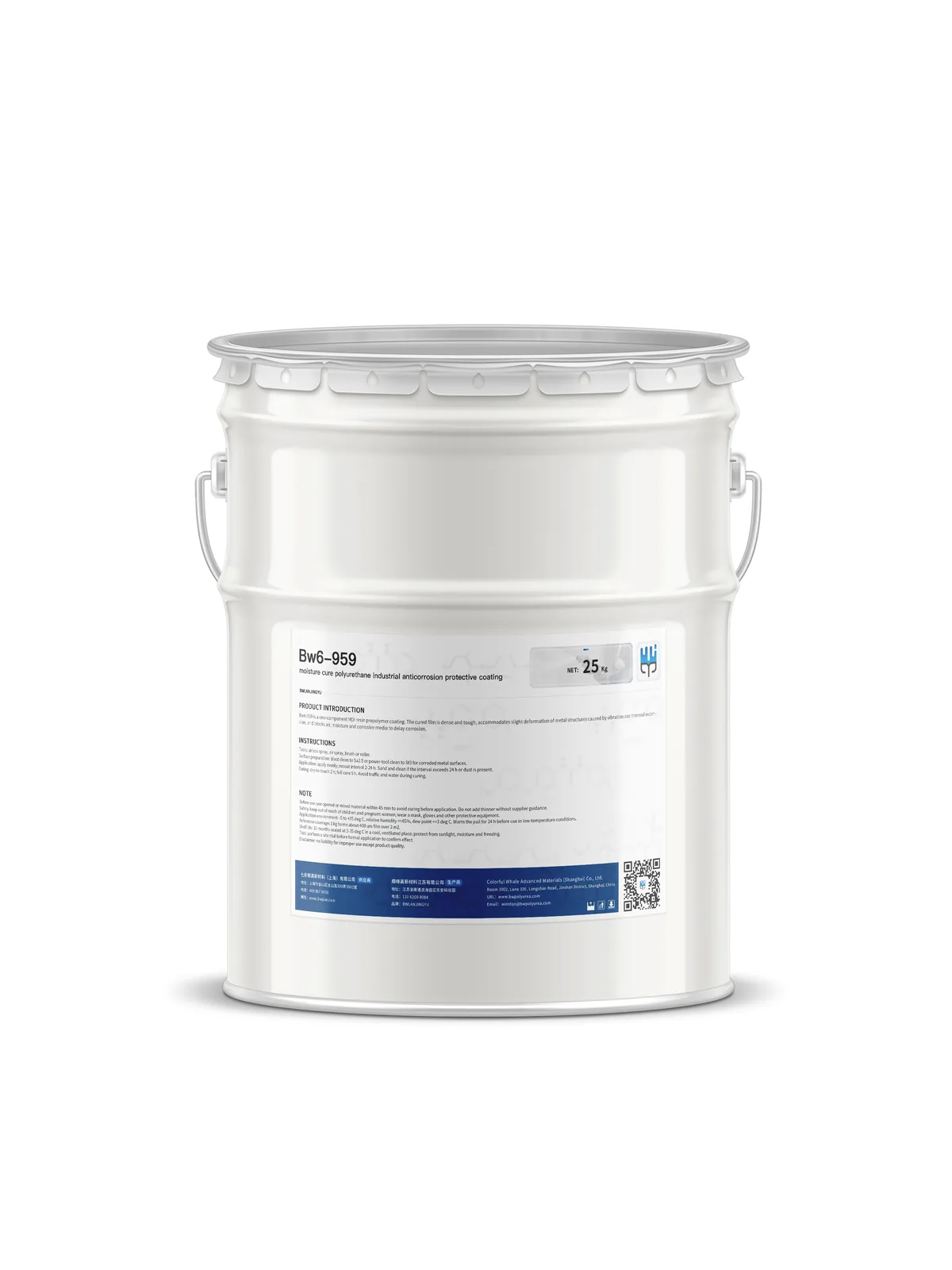
- BW8008 metal primer + 959 single-component polyurea protective coating
- Main Functions
- Metal surface adhesion support, pipe corrosion protection, moisture resistance, detail coverage, condensation-related protection and industrial pipe surface durability
Project information is summarized for application reference. Some project details are not disclosed due to confidentiality requirements.

Why This Coating Route Was Used for Chemical Plant Cooling Water Discharge Pipe Protection
Cooling water discharge pipes in chemical plants work in a more demanding environment than ordinary indoor steel components. These pipes may be exposed to moisture, cooling-water temperature differences, condensation, cleaning water, chemical plant atmosphere, outdoor or semi-outdoor humidity, installation handling and long-term maintenance conditions. If the pipe surface is not properly protected, corrosion can begin from exposed steel areas, welds, pipe bends, supports, flanges and damaged coating points.
One of the main pain points in cooling water pipe protection is external corrosion caused by moisture and condensation. Cold-water or cooling-water pipelines may experience surface sweating when the pipe temperature is lower than the surrounding air dew point. Moisture can remain on the pipe surface or become trapped around pipe supports, insulation edges, clamps, weld areas and local details. Over time, this can increase the risk of rust, coating peeling and local wall deterioration.
Another challenge is the chemical plant environment. In chemical facilities, pipe systems may be exposed not only to water, but also to industrial dust, chemical vapor, acidic or alkaline contamination, cleaning agents and outdoor weathering. These factors can make ordinary thin paint protection less reliable, especially on pipe sections that are difficult to access after installation.
The shape of the pipe system also makes coating work more difficult. Cooling water discharge pipes usually include straight pipe sections, elbows, branch connections, welded joints, flanges, pipe openings, support contact areas and repeated curved details. These areas are not as easy to protect as a flat steel plate. Coating thickness, adhesion and continuity around these details are important because corrosion often starts from welds, edges, pipe supports and local damaged areas.
In this project, BW8008 was used as the primer layer for the steel pipe surface. The role of BW8008 is to support adhesion between the prepared metal substrate and the following single-component polyurea protective layer. For cooling water discharge pipes, this primer interface is important because the coating system may need to face moisture, condensation, chemical plant atmosphere and handling stress during installation.
BW8008 is not the final exposed protective layer in this route. Its main value is at the metal substrate interface. It helps prepare the steel surface for the following 959 single-component polyurea coating and supports the bonding stability of the full coating system. This is especially important around pipe bends, welded transitions, flange areas and irregular pipe details where coating failure may begin if the interface is weak.
After the BW8008 primer layer, 959 single-component polyurea coating was applied as the main protective layer. This layer provides the main corrosion-protection and surface-protection function for the cooling water discharge pipe. Compared with a simple thin decorative coating, a single-component polyurea protective coating is more suitable for complex pipe surfaces that need flexible coverage, local build and practical on-site application.
The hand-applied or brush-applied character of the 959 coating is valuable for pipe components. Many cooling water pipe parts have curved surfaces and local details that are difficult to cover evenly with ordinary coating methods. A single-component polyurea coating can be applied around bends, branch pipes, weld seams and connection areas more flexibly, helping improve coverage continuity on shaped pipe components.
The coating route also helps reduce the risk of moisture reaching the steel surface. For cooling water discharge pipes, the key requirement is not only surface appearance, but also isolation from water, oxygen and corrosive industrial contamination. The 959 single-component polyurea layer helps form a continuous protective barrier over the pipe surface, while BW8008 supports the adhesion interface below it.
This route is also practical for prefabricated pipe sections before installation. Pipe components may need to be coated, inspected, moved and installed later. A protective coating system must therefore support not only corrosion protection during service, but also reasonable handling durability during transportation and installation. Local coating damage should still be inspected and repaired before final operation, especially around lifting points, supports and connection areas.
The full coating route has a clear division of function. BW8008 supports metal substrate adhesion and primer interface stability. 959 single-component polyurea coating provides the main exposed protective layer for cooling water discharge pipe surfaces. Together, the two materials create a route focused on pipe surface corrosion protection, moisture resistance, detail coverage and chemical plant service durability.
This case is different from ordinary steel structure painting. Cooling water discharge pipes may face condensation, water exposure, chemical plant atmosphere and difficult-to-maintain details after installation. A coating route for this type of pipe should pay special attention to surface preparation, weld coverage, pipe support areas, bends, flanges and coating continuity around the full pipe geometry.
Surface preparation remains critical. Rust, oil contamination, dust, loose coating, welding residue and unstable surface layers should be removed or treated before primer application. The pipe surface should be dry and clean before coating. Welds, pipe ends, bends, supports and connection areas should be checked carefully because these locations often determine the long-term reliability of the coating system.
The key value of this coating route is that it combines a metal-primer interface with a practical single-component polyurea protective layer. BW8008 supports adhesion on prepared steel surfaces, while 959 provides the main protective coating for cooling water discharge pipe components. This makes the system suitable for chemical plant cooling water pipes, discharge pipe sections, prefabricated steel pipe components and similar industrial piping protection applications.
For similar chemical plant cooling water pipes, chilled-water pipe components, discharge pipelines or industrial steel pipe protection projects, the final coating route should still be reviewed according to steel surface condition, moisture exposure, condensation risk, insulation design, chemical environment, installation process and maintenance requirements. This case provides an application reference for using BW8008 and 959 single-component polyurea coating to support corrosion protection and surface durability for cooling water discharge pipe components.
Related Products Used
Project Photo Gallery
Project photos show cooling water discharge pipe coating, BW8008 primer route, 959 single-component polyurea application, pipe bends, weld details and finished steel pipe protection references.
