
Project case
Riot Control Vehicle Spray Polyurea Surface Protection Case
A special-purpose vehicle surface protection case using BW8008 metal primer, approximately 1.5 mm BW3-319 spray polyurea protective coating and uniformly applied BW0-8029 topcoat to support abrasion resistance, impact resistance, corrosion protection and consistent exterior durability.
- Project Type
- Special-purpose vehicle spray polyurea surface protection
- Application Area
- Riot control vehicle exterior body panels, repaired metal surfaces, side panels, rear body areas, roof edges, door surroundings, window frames, bumpers and modified vehicle details
- Main Substrates
- Prepared vehicle metal surfaces, repaired steel panels, welded areas, old coating edges, exterior body panels, angular corners and local modified components
- Service Environment
- Vehicle operation, road debris, vibration, abrasion, impact, repeated cleaning, workshop maintenance, outdoor exposure, sunlight, rain and temperature change
- Coating Approach
- BW8008 metal primer + approximately 1.5 mm BW3-319 spray polyurea protective coating + uniformly applied BW0-8029 topcoat
- Main Functions
- Metal adhesion support, abrasion resistance, impact resistance, chip resistance, corrosion protection, flexible surface protection, weather resistance and uniform matte exterior finish
Project information is summarized for application reference. Some project details are not disclosed due to confidentiality requirements.

Why This Coating Route Was Used for Riot Control Vehicle Polyurea Surface Protection
Riot control vehicles and special-purpose law-enforcement vehicles are exposed to demanding operating and maintenance conditions. Unlike ordinary passenger vehicles, these vehicles often have complex exterior body panels, reinforced corners, metal joints, modified bumpers, roof structures, doors, window frames, side panels, equipment mounts and repaired areas. These details require a protective coating route that can cover irregular surfaces and support long-term surface durability.
One of the main pain points of this type of vehicle is surface damage during operation, transportation, repair and daily maintenance. The exterior body may be exposed to scratches, impact, abrasion, tool contact, road debris, vibration and repeated cleaning. Ordinary appearance paint may be easier to scratch or chip around edges, panel transitions, welded areas and modified body parts. Once the coating is damaged, exposed metal areas may become vulnerable to corrosion and repeated repair.
Another challenge is the complex geometry of the vehicle body. A riot control vehicle has many angular body panels, edges, corners, window frames, door seams, handles, bolt positions, roof details and equipment mounting areas. These details are more difficult to protect evenly than a flat steel plate. A suitable coating system needs to form a continuous protective layer over these irregular details while maintaining a uniform exterior appearance.
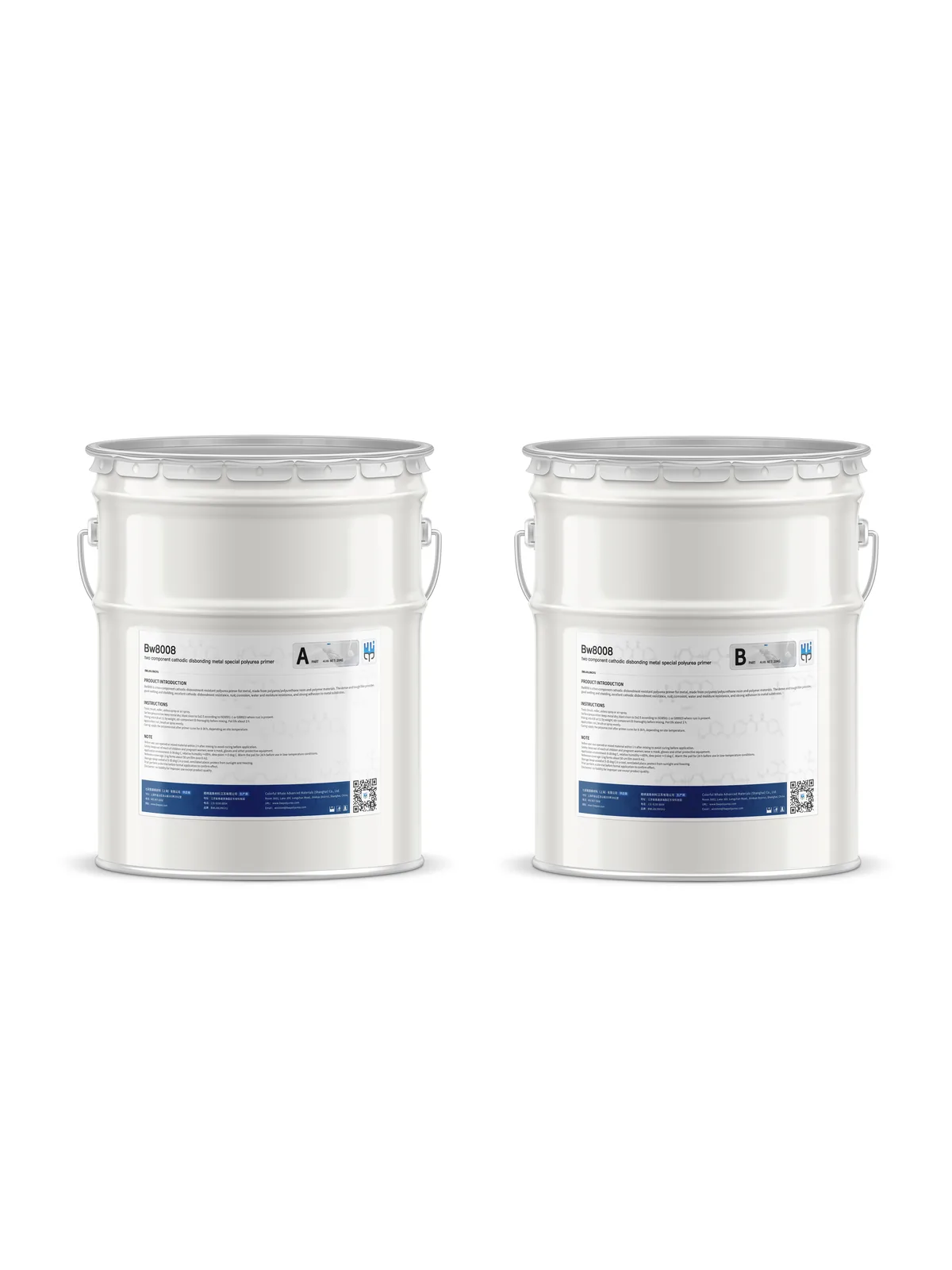
In this project, BW8008 was used as the primer layer for the prepared metal surface. The role of BW8008 is to support adhesion between the vehicle metal substrate and the following spray polyurea coating. For a vehicle body, this primer interface is important because the substrate may include repaired steel panels, welded areas, modified parts, ground surfaces, local exposed metal, old coating edges and complex details.
BW8008 is not the main wear-resistant build layer in this route. Its main value is at the metal interface. It helps prepare the substrate before spray polyurea application and supports coating stability on exterior body panels, repaired areas, edges, corners and local metal details.
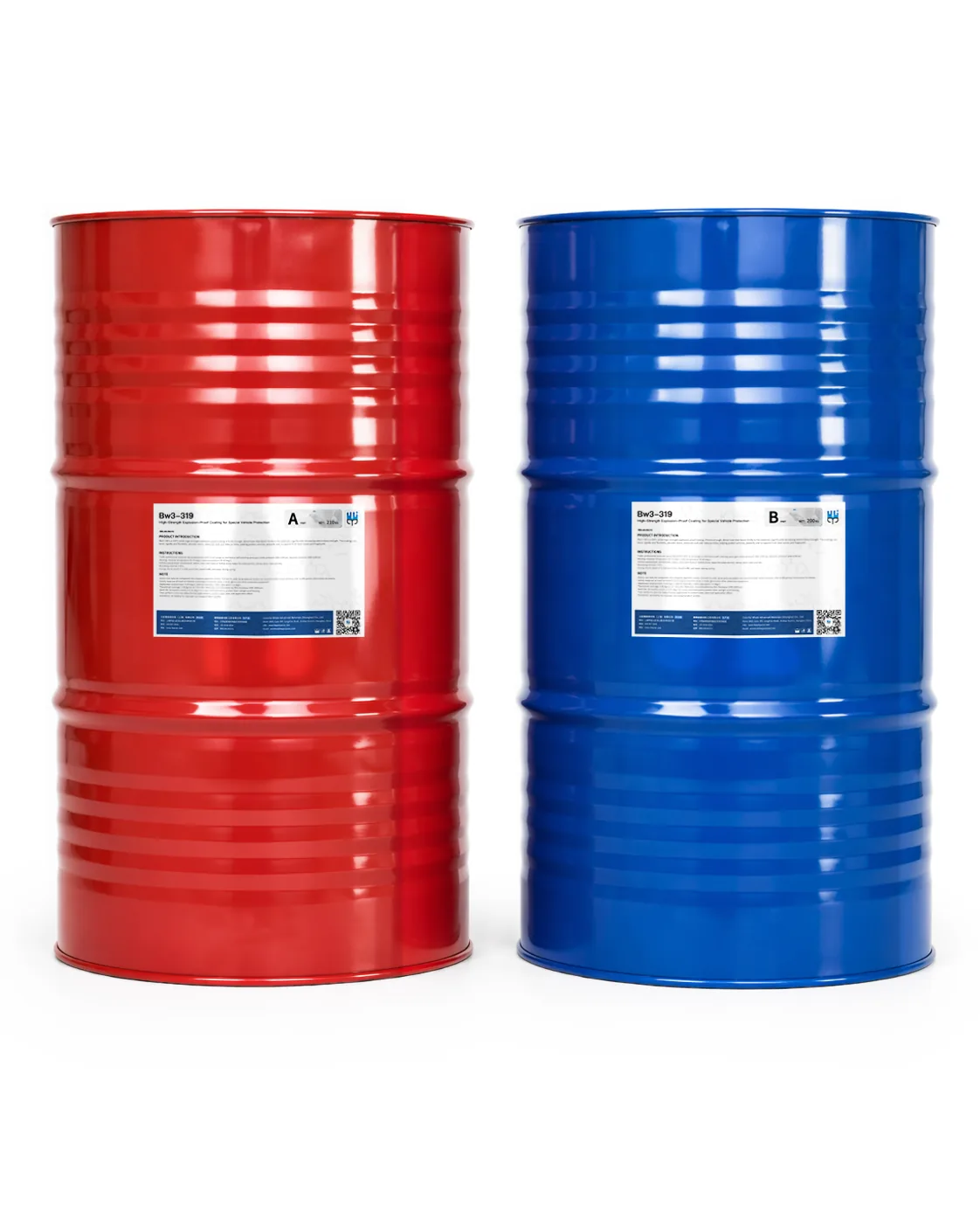
After the BW8008 primer layer, BW3-319 spray polyurea was applied as the main protective coating at approximately 1.5 mm thickness. The purpose of the BW3-319 layer is to create a tough, seamless and elastomeric protective skin over the vehicle exterior. Compared with ordinary thin paint, the spray polyurea layer provides a thicker functional coating that can better support abrasion resistance, impact resistance, chip resistance and surface protection.
The 1.5 mm spray polyurea layer is especially useful for a vehicle body because the coating needs to follow both broad panels and complex details. The sprayed application can cover side panels, rear panels, roof edges, modified body sections, bumper areas, door surroundings and other irregular surfaces more continuously. This helps reduce weak points around repaired areas and panel transitions.
The elastomeric character of the spray polyurea layer also helps the coating adapt to vibration and minor movement during vehicle use. Special-purpose vehicles may experience frequent movement, road vibration, body flexing, equipment installation and exterior contact. A more flexible protective layer can better support coating continuity than a brittle coating in these conditions.
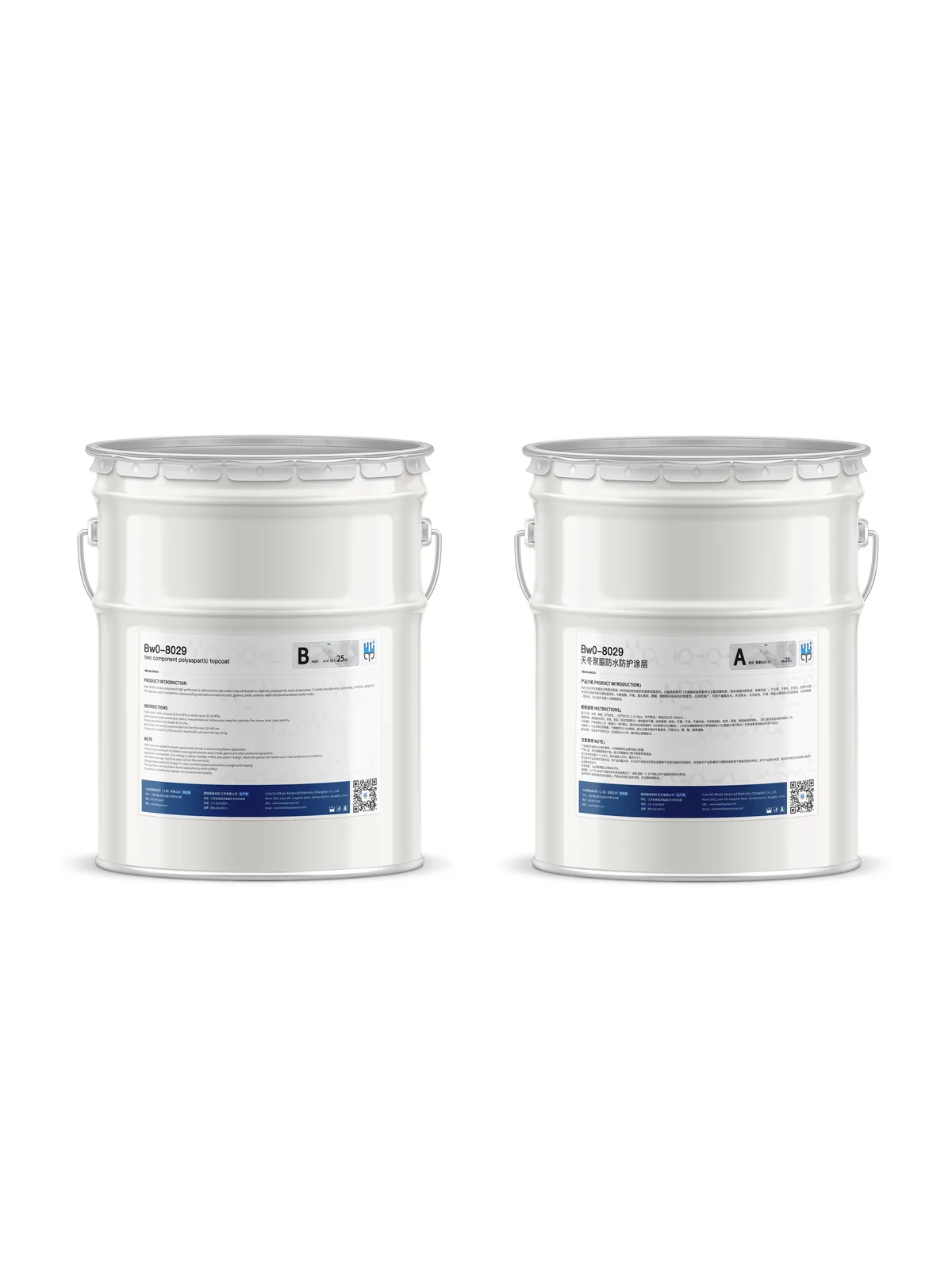
After the BW3-319 spray polyurea layer, BW0-8029 topcoat was uniformly applied over the vehicle exterior. The role of BW0-8029 is to provide the final exposed surface layer. For this type of application, the topcoat helps improve weather resistance, UV resistance, color stability, surface appearance and long-term exterior durability.
The uniform BW0-8029 topcoat is important because the final vehicle appearance must remain consistent. The project photos show a dark, textured and finished exterior surface. A full topcoat helps unify the color and finish across different body parts, repaired panels and sprayed areas, while also protecting the underlying polyurea layer from outdoor exposure.
The full coating route has a clear division of function. BW8008 supports metal substrate adhesion. The BW3-319 spray polyurea layer provides the main 1.5 mm protective coating for abrasion resistance, impact resistance and surface durability. BW0-8029 provides the final exposed topcoat for weather resistance, UV resistance and uniform appearance.
This route is suitable for riot control vehicle surface protection because it addresses the real problems of this type of equipment: complex body geometry, repaired metal areas, edge damage, abrasion, impact, vibration, outdoor exposure and the need for a unified matte protective finish. The coating is not simply appearance paint; it is a functional protective coating system for special-purpose vehicle exterior surfaces.
This case describes vehicle body surface protection, including wear resistance, impact resistance, corrosion protection, weather resistance and exterior coating reinforcement. Any separate vehicle safety claim or certified protection rating requires project-specific test evidence.
Surface preparation remains critical. Loose old coating, rust, oil contamination, dust, unstable repair material, welding residue and weak edges should be removed or controlled before primer application. Repaired panels, welded areas, bolt positions, door edges, window frames, bumper details and modified body sections should be checked carefully because these areas often determine the long-term reliability of the coating system.
The key value of this case is that the coating route provides a practical protective surface for a complex special-purpose vehicle. BW8008 creates the primer interface for metal adhesion, BW3-319 spray polyurea builds the main protective layer at approximately 1.5 mm thickness, and BW0-8029 creates the final uniform exposed topcoat. Together, the system supports durability, protection and consistent exterior appearance for riot control vehicle applications.
For similar riot control vehicles, special-purpose vehicles, emergency response vehicles, modified vehicle bodies or exterior metal equipment protection projects, the final coating route should still be reviewed according to substrate condition, repair condition, required surface texture, exposure environment, coating thickness, color requirement and service conditions. This case provides an application reference for using BW8008, BW3-319 spray polyurea and BW0-8029 topcoat for special-purpose vehicle surface protection.
Related Products Used

Project Photo Gallery
Project photos show vehicle surface preparation, repaired metal body panels, BW8008 primer route, BW3-319 spray polyurea protective coating, uniformly applied BW0-8029 topcoat and finished matte exterior protection references.
