
Project case
Bridge Steel Structure Anti-Corrosion Protection Case
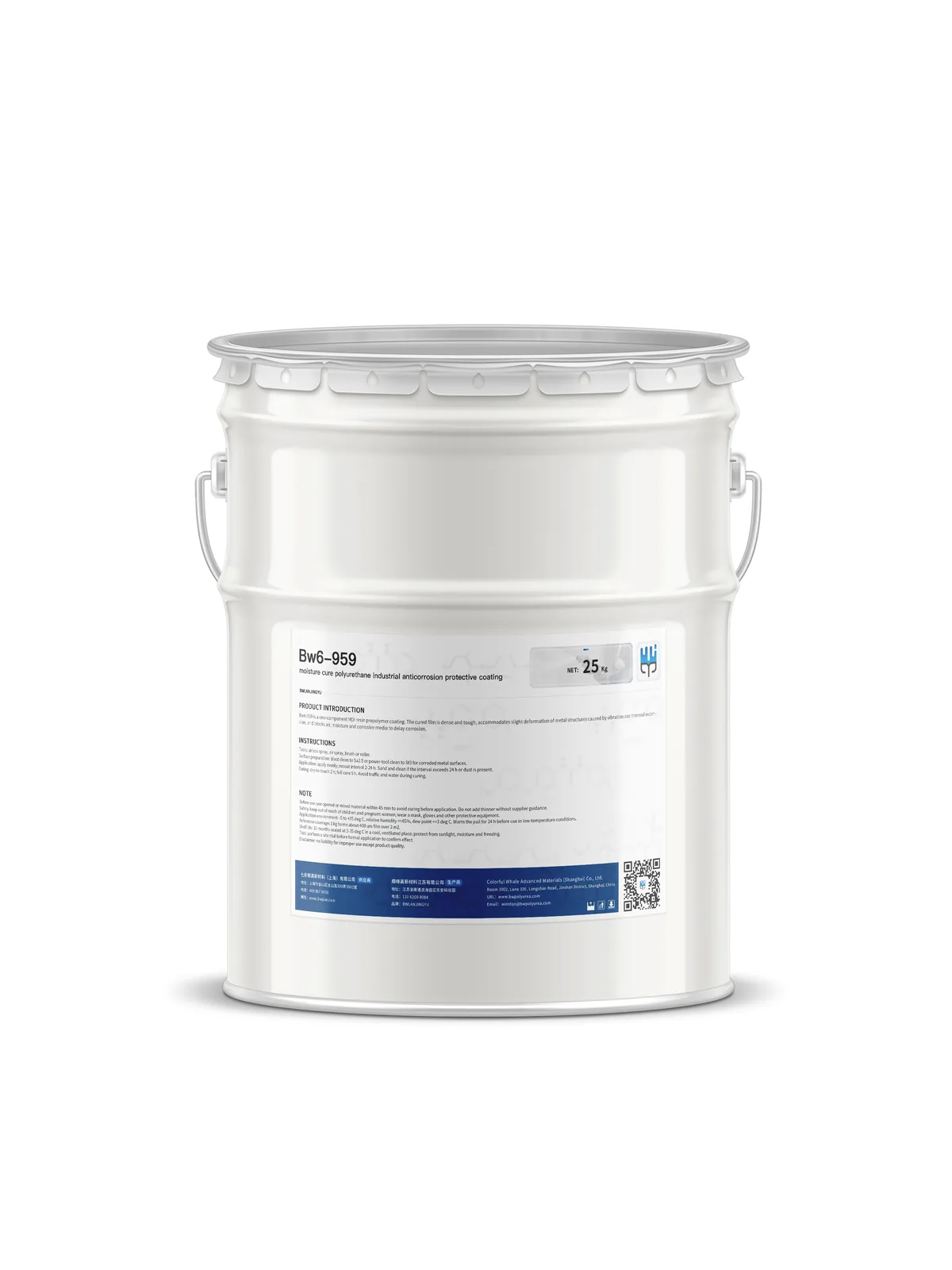
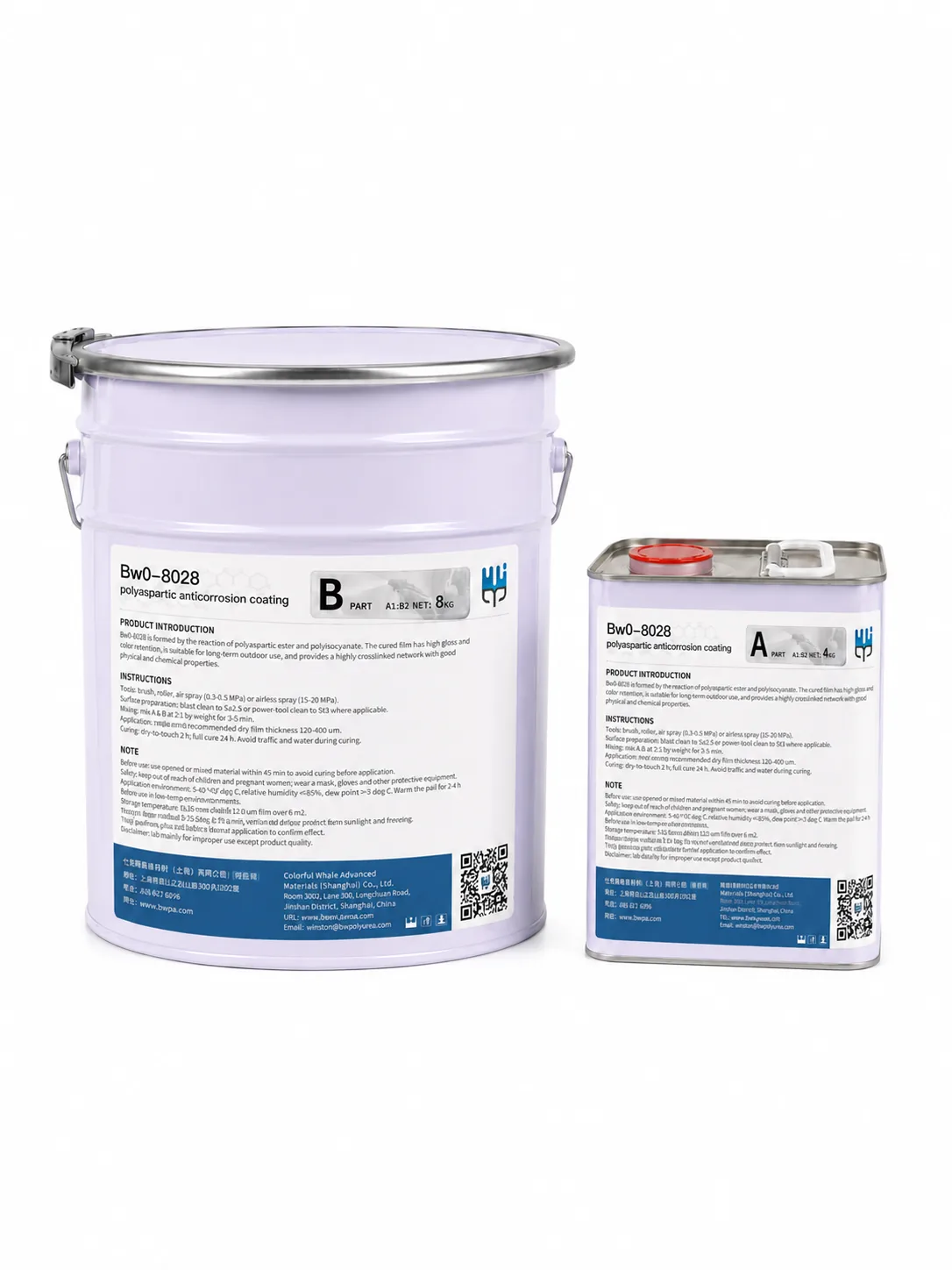
A bridge steel structure anti-corrosion protection case using BW6-959 protective coating and BW0-8028 exposed anti-corrosion topcoat to support outdoor steel corrosion protection, weather resistance, local detail coverage and long-term bridge component durability.
- Project Type
- Bridge steel structure anti-corrosion protection
- Application Area
- Bridge guardrails, steel railing members, bridge edge steel structures, connection plates, bolt areas, weld seams and local repair zones
- Main Substrates
- Prepared steel guardrail surfaces, steel tubes, steel posts, connection plates, bolts, weld areas, edges and previously corroded local steel details
- Service Environment
- Outdoor bridge exposure, rainwater, sunlight, UV aging, temperature change, wet-dry cycles, dust, traffic pollution and long-term maintenance conditions
- Coating Approach
- BW6-959 anti-corrosion protective coating + BW0-8028 exposed anti-corrosion topcoat
- Main Functions
- Steel corrosion protection, local rust repair coverage, detail reinforcement, weather resistance, UV resistance, surface durability and exposed bridge steel protection
Project information is summarized for application reference. Some project details are not disclosed due to confidentiality requirements.

Why This Coating Route Was Used for Bridge Steel Structure Anti-Corrosion Protection
Bridge steel structures are exposed to a demanding outdoor service environment. The project photos show steel bridge railings, guardrail members, connection plates, bolts, welded areas, support details and local repair zones on a bridge deck edge. These components are not only exposed to rainwater, sunlight and temperature change, but also to dust, traffic pollution, moisture retention and local corrosion around joints and fasteners.
One of the main pain points of bridge steel structure protection is corrosion at exposed details. Steel railings and bridge edge components often include many welds, bolts, corners, laps, narrow gaps and connection points. These areas are more difficult to clean and coat evenly than open flat steel plates. Once coating damage or rust starts at these weak points, corrosion can spread under the film and create repeated maintenance problems.
Another challenge is water and contaminant retention. Bridge railings and edge structures are frequently exposed to rainwater, road dust, airborne pollutants and wet-dry cycles. In some bridge environments, chloride contamination from coastal air, road runoff or deicing salt may further increase corrosion risk. Even when the main steel surface looks acceptable, rust may develop around bolt holes, weld seams, damaged coating edges and local scratches.
Bridge steel structures also face mechanical damage during service and maintenance. Guardrails and railing systems may be affected by vibration, traffic-related movement, maintenance tools, installation contact, localized impact and abrasion. A protective coating route for this kind of structure should therefore provide more than basic color coverage. It needs to support corrosion protection, surface toughness, local repairability and long-term outdoor durability.
In this project, BW6-959 was used as the main anti-corrosion protective coating for the prepared steel structure surface. The role of BW6-959 is to build a protective coating layer over cleaned and repaired bridge steel details. Compared with a simple appearance-only paint layer, BW6-959 is used here as a functional protective layer focused on steel corrosion protection, local detail coverage and maintenance reinforcement.
The use of BW6-959 is especially suitable for bridge railing and guardrail details because many of the weak points are small, irregular and difficult to protect by ordinary broad-surface coating methods. The coating needs to follow round rail members, vertical posts, connection plates, bolt areas, weld seams and edge transitions. These details require careful application to reduce exposed steel and improve continuity around vulnerable areas.
The project photos also show local grinding and surface repair work before coating. This is important because bridge steel corrosion protection depends heavily on substrate condition. Loose rust, weak old coating, dust, oil, moisture and unstable repair areas can reduce coating adhesion. Proper surface preparation helps the BW6-959 layer bond more reliably to the steel and reduces the risk of early peeling or under-film corrosion.
After the BW6-959 protective layer, BW0-8028 was used as the exposed anti-corrosion topcoat. The role of BW0-8028 is to protect the coated steel surface from outdoor exposure and support long-term weather resistance, UV resistance, color stability and surface durability. For bridge steel structures, the topcoat is important because the coating system must remain exposed to sunlight, rain, dust, temperature change and atmospheric aging.
In this coating route, BW0-8028 is not only used for appearance. It provides the exposed finishing layer that helps protect the underlying anti-corrosion coating from weathering and environmental aging. This is especially important for bridge railings and other visible steel components where both protection and surface appearance matter over time.
The full coating route has a clear division of function. BW6-959 provides the main anti-corrosion protective layer for the prepared steel structure. BW0-8028 provides the exposed weather-resistant and anti-corrosion topcoat. Together, the two materials create a practical protection route for bridge railings, guardrails, steel connections and outdoor bridge steel details.
This route is suitable for bridge steel structure anti-corrosion because it addresses the actual weak points of the project. The main risk is not only broad-surface rust, but also local failure around bolts, welded joints, railing connections, edges, scratches and repaired areas. By using BW6-959 as the main protective coating and BW0-8028 as the exposed topcoat, the system is better matched to the complex geometry and outdoor exposure of bridge steel components.
Surface preparation remains critical. Rust spots, loose old coating, oil contamination, dust, welding residue and moisture should be removed or controlled before coating application. Bolt areas, weld seams, rail joints, sharp edges and connection plates should be checked carefully because these locations often determine the long-term reliability of the anti-corrosion system.
The key value of this case is that the coating route does not treat the bridge railing as a simple painted surface. It considers outdoor corrosion, local detail complexity, fastener areas, weld seams, weathering, traffic-side exposure and future maintenance difficulty. BW6-959 supports the anti-corrosion protective layer, while BW0-8028 supports the final exposed surface durability and weather resistance.
For similar bridge railings, bridge guardrails, steel bridge edge structures, outdoor steel supports or bridge maintenance coating projects, the final coating route should still be reviewed according to steel surface condition, rust level, old coating condition, chloride exposure, structural detail complexity, application method and maintenance requirements. This case provides an application reference for using BW6-959 and BW0-8028 to support anti-corrosion protection and exposed durability for bridge steel structures.
Related Products Used
Project Photo Gallery
Project photos show bridge steel guardrail surface preparation, local grinding, BW6-959 anti-corrosion protective coating application, BW0-8028 exposed topcoat, bolt and weld detail coating, and finished bridge steel structure protection references.
