
Project case
Shandong Wind Turbine Base Hand-Applied Polyurea Anti-Corrosion Protection Case
A wind turbine base protection case using BW8009 concrete primer and BW6-8526 hand-applied polyurea coating to support base waterproofing, anti-corrosion protection, moisture resistance and local detail reinforcement around tower-bottom foundation areas.
- Project Type
- Wind turbine base hand-applied polyurea anti-corrosion protection
- Application Area
- Wind turbine tower-bottom base, circular foundation perimeter, concrete plinth, base transition, local repair zones and equipment foundation details
- Main Substrates
- Prepared concrete base surfaces, tower-bottom transition areas, circular base edges, vertical base skirts, horizontal concrete surfaces and local repaired details
- Service Environment
- Outdoor wind turbine base exposure, rainwater, sunlight, temperature change, wet-dry cycles, wind, dust, vibration and long-term maintenance conditions
- Coating Approach
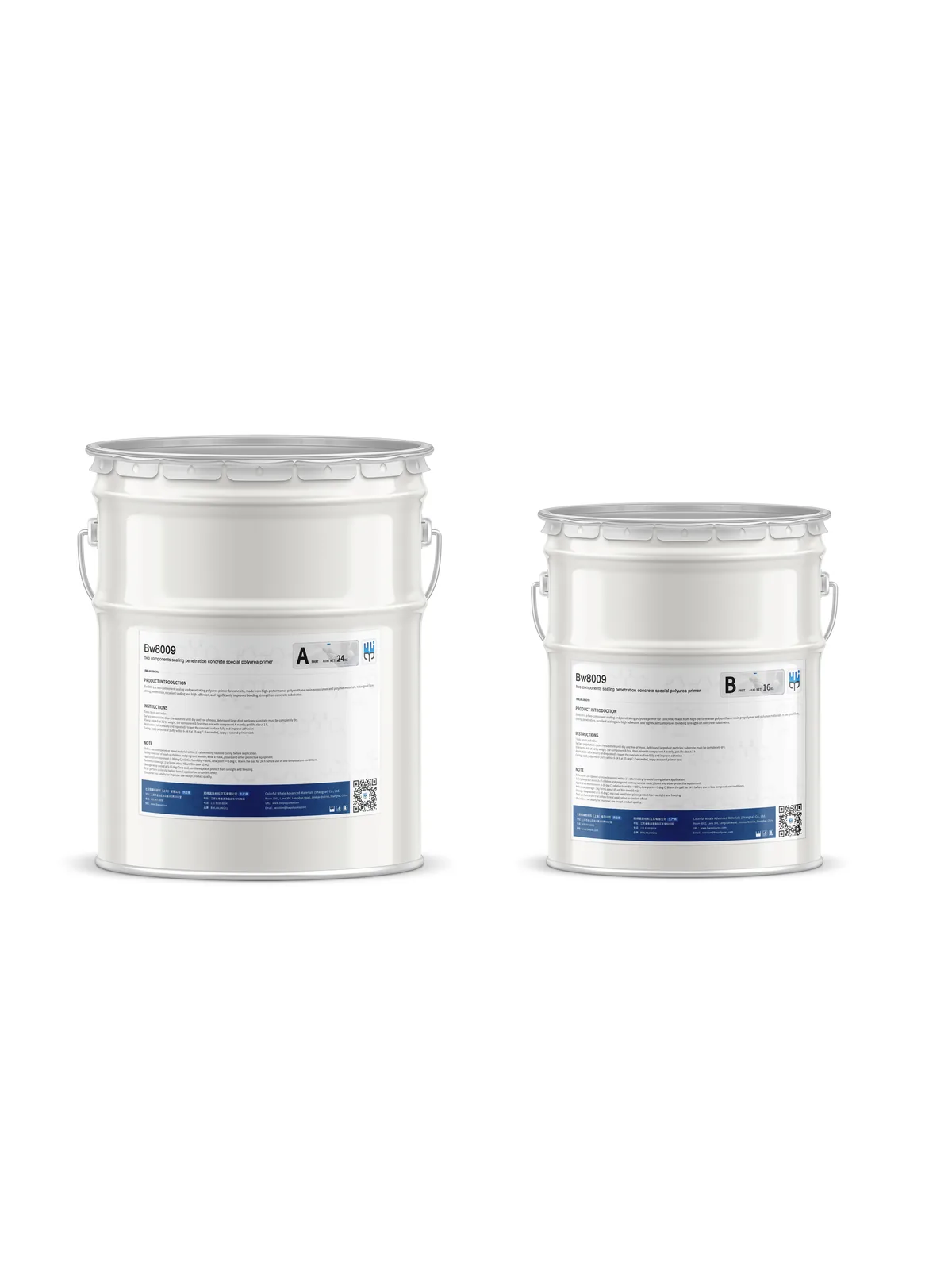
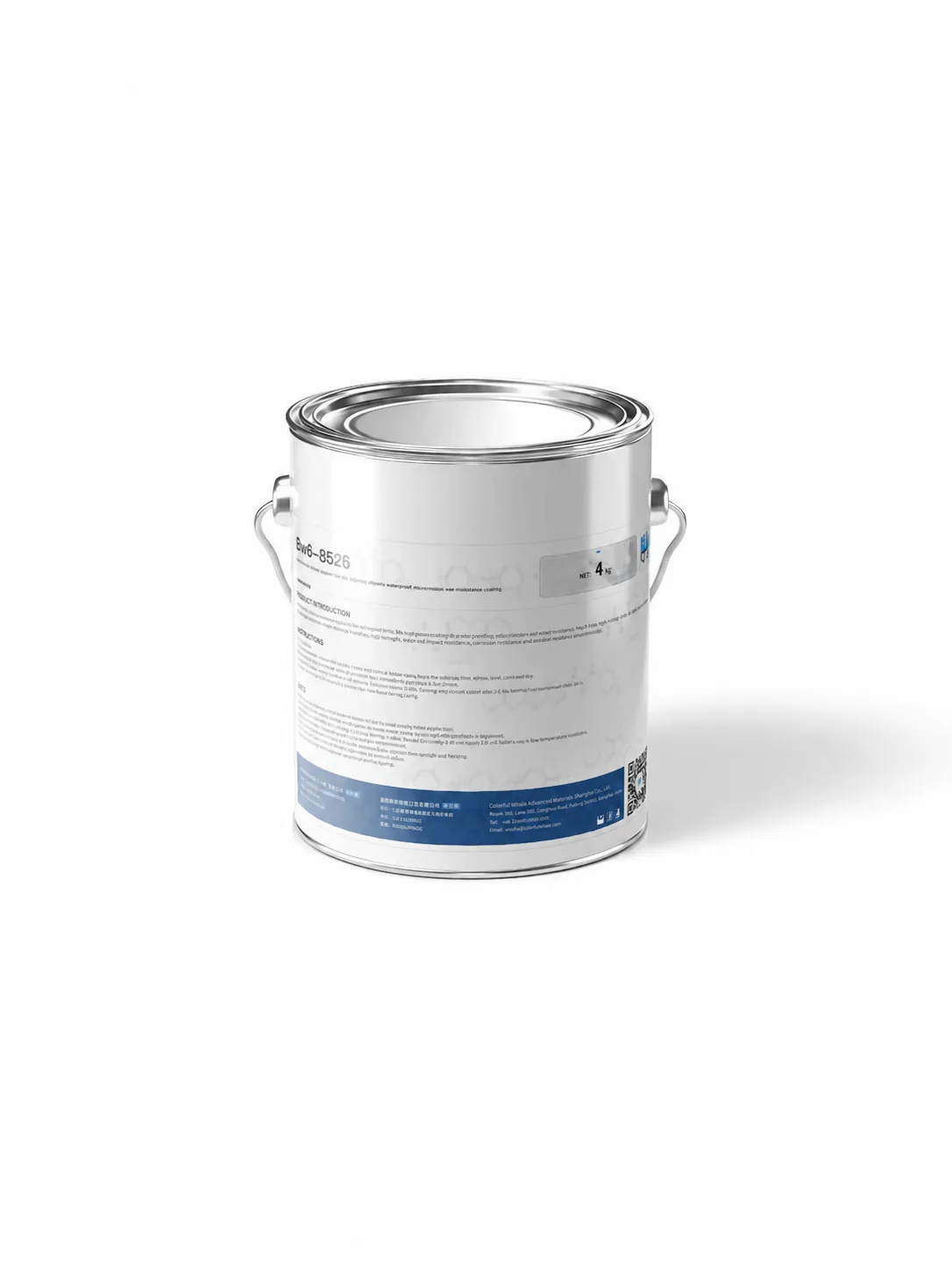
- BW8009 concrete primer + BW6-8526 hand-applied polyurea protective coating
- Main Functions
- Substrate adhesion support, base waterproofing reinforcement, anti-corrosion protection, moisture resistance, edge sealing, flexible detail coverage and outdoor base durability
Project information is summarized for application reference. Some project details are not disclosed due to confidentiality requirements.

Why This Coating Route Was Used for Wind Turbine Base Anti-Corrosion Protection
Wind turbine base areas are exposed to a combination of structural stress, outdoor weather and difficult maintenance conditions. Unlike a simple flat concrete surface, the base of a wind turbine includes the tower-bottom area, circular foundation transition, concrete plinth, base edge, local repair zones and details close to the tower-to-foundation connection. These areas are often more vulnerable than the open surface because water, dust and contaminants can remain around the base perimeter and local joints.
One of the main pain points of wind turbine base protection is water accumulation around the tower bottom. Rainwater, snowmelt, cleaning water or surface runoff may stay near the circular base area. If the base joint, concrete surface or local transition area is not properly protected, moisture can enter small cracks, edge gaps, coating defects or repaired areas. Over time, this may increase the risk of concrete deterioration, local corrosion, coating peeling and repeated maintenance.
Another challenge is the tower-to-foundation connection zone. Wind turbine towers are usually connected to the foundation through a base structure with flange, anchor bolts or related connection details. Even when the main structural connection is not directly coated, the surrounding base area still needs careful protection because water ingress near the base may affect nearby steel components, embedded details and maintenance-sensitive zones. For this reason, the coating route must focus on sealing continuity around the circular base and the concrete-to-tower transition.
The wind turbine base is also exposed to long-term outdoor aging. Sunlight, temperature change, wind, dust, rain, freeze-thaw conditions and wet-dry cycles can all affect the durability of ordinary repair materials. A weak coating or rigid repair layer may crack or detach around the base edge. Once local failure begins, water can continue to enter the same area and create recurring repair problems.
In this project, BW8009 was used as the primer layer for the prepared base surface. The role of BW8009 is to support substrate sealing and adhesion before the hand-applied polyurea protective layer is installed. For a wind turbine base, this primer interface is important because the substrate may include porous concrete, repaired areas, dust-sensitive surfaces and moisture-affected local details. A stable primer layer helps improve the bonding condition for the following protective coating.
BW8009 is not the main anti-corrosion or waterproofing build layer in this route. Its main value is at the substrate interface. It helps prepare the base surface for the following BW6-8526 hand-applied polyurea coating and supports adhesion around the circular base, edge transitions, local repaired areas and irregular details.
After the BW8009 primer layer, BW6-8526 hand-applied polyurea coating was used as the main protective layer. The purpose of BW6-8526 is to form a continuous protective coating over the prepared wind turbine base area. Compared with ordinary thin paint or rigid repair mortar, a hand-applied polyurea coating is more suitable for local details because it can be applied around curved surfaces, base edges, vertical-to-horizontal transitions and small repair zones.
The hand-applied character of BW6-8526 is especially useful for wind turbine base details. The base area is circular and includes narrow edge zones, local grinding areas, uneven repaired surfaces, vertical base skirts and horizontal concrete surfaces. These details are not always convenient for large spray equipment. A hand-applied polyurea route allows workers to focus on the vulnerable base perimeter and build a more continuous coating around the actual weak points.
The coating route also helps improve moisture resistance at the base transition. The main risk is not only surface rust or surface staining, but also water entering the joint or repaired concrete area. By applying BW6-8526 over the primed surface, the system helps create a protective barrier that reduces direct water contact with the base substrate and supports longer-term durability around the wind turbine foundation area.
The elastomeric character of a polyurea protective layer is also valuable for this type of application. Wind turbine bases may experience vibration, temperature movement, outdoor weathering and local stress from the tower structure. A flexible protective coating can better adapt to minor movement around the base transition than a brittle coating or rigid repair layer, helping maintain protection continuity over time.
The full coating route has a clear division of function. BW8009 supports substrate sealing and adhesion. BW6-8526 hand-applied polyurea coating provides the main protective layer for the wind turbine base area. Together, the two materials create a practical route focused on base waterproofing support, anti-corrosion protection, moisture resistance, edge sealing and local detail durability.
This route is suitable for wind turbine base protection because it addresses the real weak points of the structure. The most important areas are not only the open concrete surface, but also the circular base edge, tower-bottom transition, local cracks, repaired zones, base skirt and areas where water may remain. A hand-applied polyurea coating can be used to strengthen these details without treating the project as a simple appearance-only job.
Surface preparation remains critical. Dust, loose concrete, oil contamination, rust stains, unstable old coating, weak repair material and moisture should be removed or controlled before primer application. Grinding or local cleaning may be required around the tower base, concrete plinth and transition areas. The base surface should be dry, clean and stable before BW8009 and BW6-8526 are applied.
The key value of this case is that the coating route focuses on the practical maintenance problem of wind turbine bases: water ingress, local corrosion risk, circular base details, outdoor aging and difficult future repair. BW8009 provides the primer interface, while BW6-8526 provides the hand-applied polyurea protective layer for the wind turbine base and surrounding transition areas.
For similar wind turbine bases, tower-bottom foundations, circular equipment foundations, outdoor concrete plinths or base transition protection projects, the final coating route should still be reviewed according to substrate condition, crack condition, moisture exposure, base geometry, corrosion risk, outdoor environment and maintenance requirements. This case provides an application reference for using BW8009 and BW6-8526 to support anti-corrosion protection and waterproofing reinforcement around wind turbine base areas.
Related Products Used
Project Photo Gallery
Project photos show wind turbine base surface preparation, BW8009 primer route, BW6-8526 hand-applied polyurea coating, circular base edge sealing, tower-bottom transition protection and finished base waterproofing and anti-corrosion references.
