
Project case
Special-Shaped Roof Spray Polyurea Waterproofing Protection Case
A special-shaped roof waterproofing case using BW8009 concrete primer, BW3-900 spray polyurea waterproofing membrane and BW0-8029 exposed protective topcoat to support seamless waterproofing continuity, roof detail protection and long-term outdoor durability.
- Project Type
- Special-shaped roof spray polyurea waterproofing protection
- Application Area
- Exposed roof areas, dome building roof surroundings, roof transitions, drainage details, openings, edges and local roof waterproofing details
- Main Substrates
- Prepared concrete roof surfaces, roof edges, drainage areas, openings, upturn details, local transitions and repaired roof areas
- Service Environment
- Outdoor roof exposure, rainwater, sunlight, UV aging, temperature change, wind, dust, wet-dry cycles and long-term waterproofing maintenance conditions
- Coating Approach
- BW8009 concrete primer + BW3-900 spray polyurea waterproofing membrane + BW0-8029 exposed protective topcoat
- Main Functions
- Substrate adhesion support, seamless waterproofing, roof detail continuity, crack-bridging support, weather resistance, UV protection and exposed roof surface durability
Project information is summarized for application reference. Some project details are not disclosed due to confidentiality requirements.

Why This Coating Route Was Used for Special-Shaped Roof Waterproofing Protection
The photographs show curved or low-slope roof areas around dome-style buildings, with workers using hose-fed spray equipment over a light-coloured surface. Broad roof areas sit beside projecting structures, and working space varies around transitions and building edges. These close views help identify locations that need separate application planning beyond the overall appearance of the roof.
For a similar special-shaped roof, record the broad surface, areas around projecting structures and changes in geometry separately, then review the actual falls, drainage positions and substrate condition. Include drainage, terminations and film thickness in the project design and site checks so that the overall roof specification addresses local application conditions.
Another challenge is temperature movement. Exposed roofs experience daily heating and cooling, seasonal temperature changes and surface expansion and contraction. Rigid or poorly bonded waterproofing layers may crack, detach or fail around joints and transitions. Special-shaped roofs are even more demanding because different roof areas, curves, edges and local details may move or age differently. A roof waterproofing system therefore needs flexibility, adhesion and continuous coverage.
The roof details are often more important than the open field area. Leakage problems commonly start around parapet edges, drainage openings, roof penetrations, corners, seams, old repair zones and changes in roof level. If these details are not treated continuously, water can bypass the main waterproofing layer even when the large surface appears well coated. For this reason, the coating route must focus on full-surface protection and detail continuity at the same time.
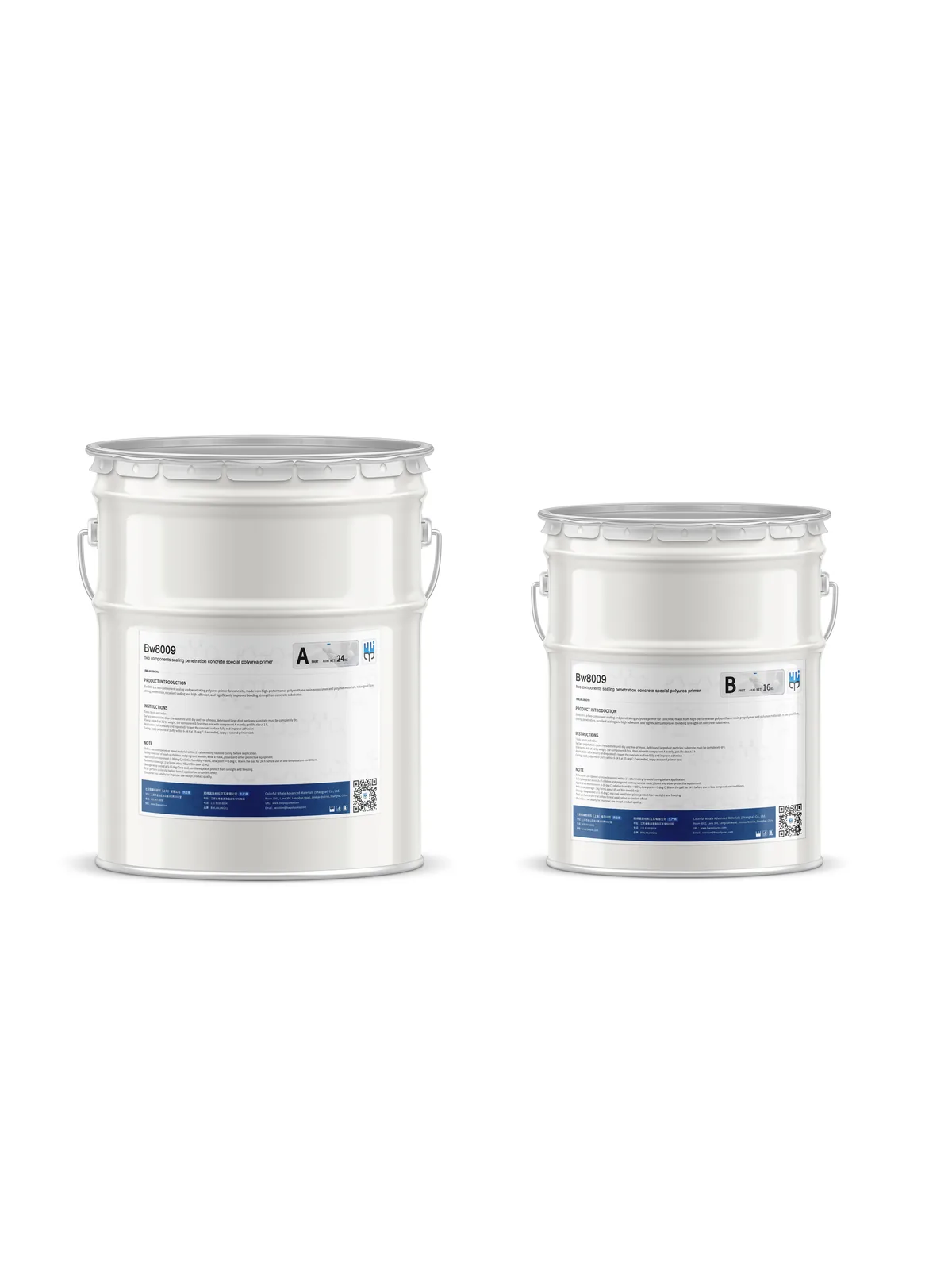
In this project, BW8009 was used as the primer layer for the prepared roof substrate. The role of BW8009 is to support bonding between the substrate and the following spray polyurea membrane. On roof projects, primer selection is important because the substrate may include concrete, old repaired areas, porous surfaces, dust-sensitive areas or moisture-affected details. A stable primer interface helps reduce the risk of poor adhesion and later coating detachment.
BW8009 is not the main waterproofing membrane in this route. Its function is to prepare the roof substrate and support adhesion for the following BW3-900 spray polyurea layer. This is especially important around roof edges, transitions, drainage details and local repaired areas where coating stress and water exposure are more likely to occur.
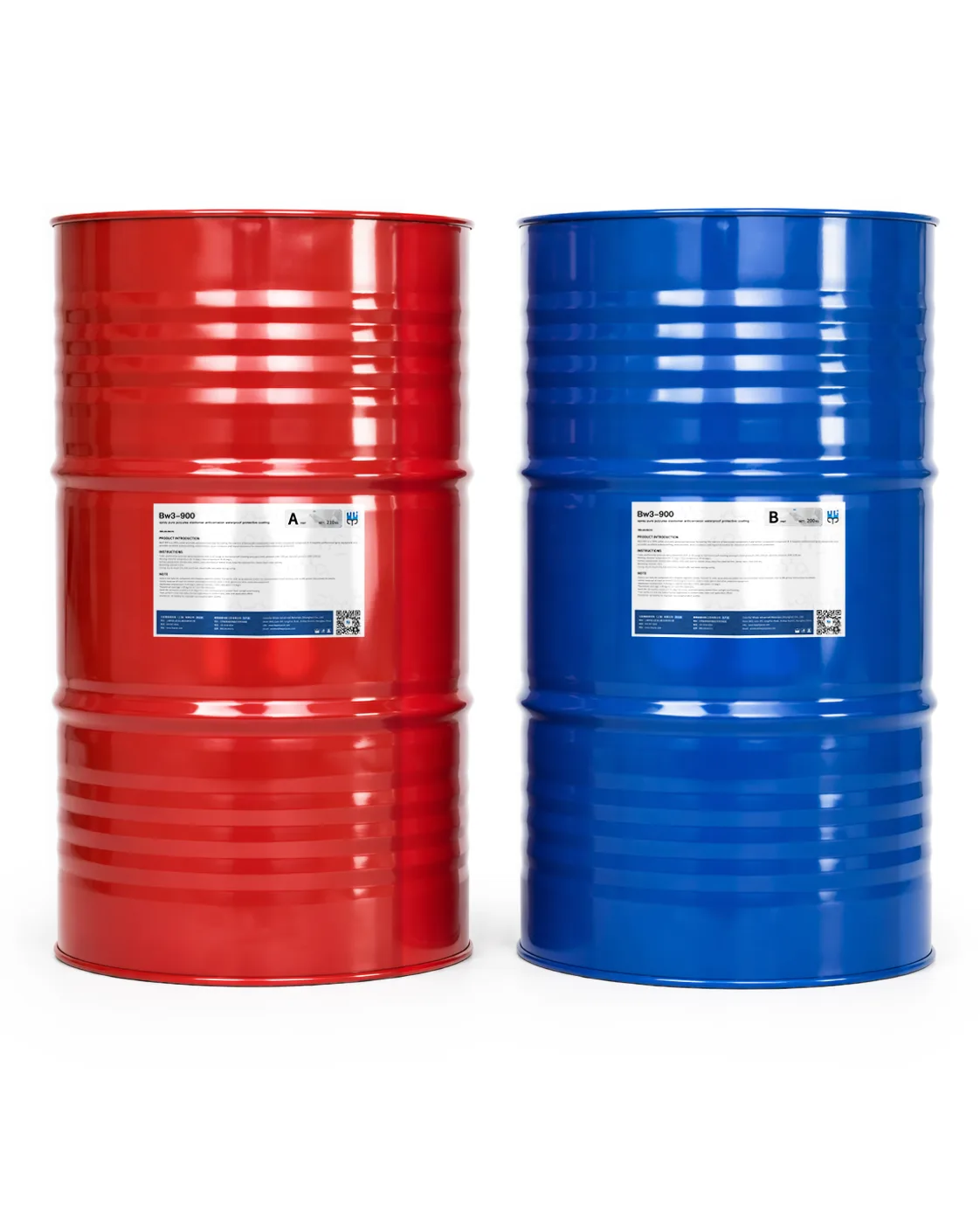
After the BW8009 primer layer, BW3-900 was applied as the main spray polyurea waterproofing layer. The purpose of BW3-900 is to form a continuous, seamless and elastomeric waterproofing membrane over the prepared roof surface. Compared with sheet-based waterproofing materials that depend on overlaps and seams, a spray-applied polyurea membrane can better follow roof geometry and reduce seam-related weak points.
The spray-applied character of BW3-900 is especially valuable for this type of roof. The project includes broad roof areas, local steps, edges, openings and transitions around architectural structures. A spray polyurea layer can cover these surfaces more continuously than a system that relies only on manual joint sealing or sheet overlaps. This helps improve waterproofing continuity across the main roof field and local details.
The elastomeric nature of BW3-900 also helps the roof system adapt to normal roof movement. Exposed roof surfaces may experience thermal expansion, vibration, wind exposure and substrate movement. A flexible waterproofing membrane can better accommodate minor movement and local stress than a brittle coating layer, helping maintain the continuity of the waterproofing layer.
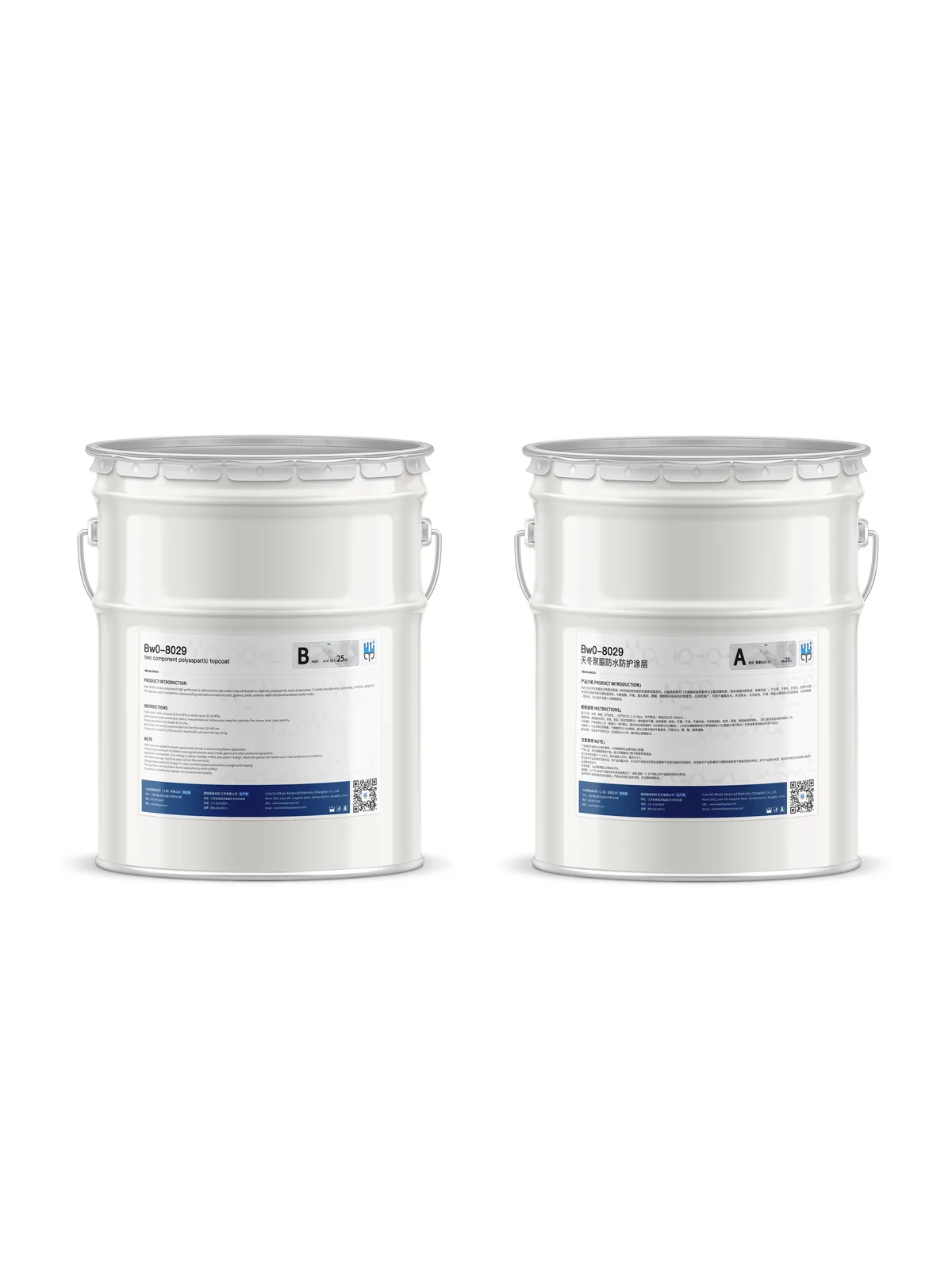
After the BW3-900 spray polyurea waterproofing layer, BW0-8029 was used as the exposed protective topcoat. The role of BW0-8029 is to protect the polyurea membrane from outdoor exposure and support weather resistance, UV resistance, surface durability and long-term appearance. For exposed roofs, the topcoat is important because the waterproofing layer must face sunlight, rain, dust, temperature change and weathering over time.
In this coating route, BW0-8029 is not the main waterproofing build layer. The main waterproofing function comes from BW3-900, while BW0-8029 provides the exposed surface protection. This division of function makes the system more suitable for outdoor roof applications than using a single coating layer for all performance requirements.
The full coating route has a clear structure. BW8009 supports substrate sealing and adhesion. BW3-900 forms the main seamless spray polyurea waterproofing membrane. BW0-8029 provides the exposed protective topcoat for weather resistance and surface durability. Together, the three materials create a roof protection system focused on waterproofing continuity, substrate adhesion, flexibility and long-term outdoor exposure performance.
This route is suitable for special-shaped roof waterproofing because it addresses the real weak points of roof projects. The main risk is not only rainwater on the open roof surface, but also leakage around edges, openings, transitions, drainage points and local details. By combining primer, spray polyurea waterproofing membrane and weather-resistant topcoat, the system is better matched to complex exposed roof conditions.
Before scheduling a similar roof project, review working access, hose routes and protection of applied areas, and confirm preparation against the substrate, cracks and existing coating condition. Broad surfaces and areas around projecting structures may require different access arrangements, while material compatibility, recoating conditions and detail transitions should follow the current technical information and project requirements.
The key value of this case is that the coating route does not treat the roof as a simple flat surface. It considers outdoor exposure, roof movement, water ingress risk, drainage details, complex geometry and long-term surface aging. BW8009 provides the primer interface, BW3-900 provides the continuous spray polyurea waterproofing membrane, and BW0-8029 supports the final exposed weather-resistant surface.
For similar special-shaped roofs, dome building roofs, exposed concrete roofs, public building roofs or large-area roof waterproofing projects, the final coating route should still be reviewed according to substrate condition, roof slope, drainage design, crack condition, exposure environment, application window and project requirements. This case provides an application reference for using BW8009, BW3-900 and BW0-8029 to support seamless waterproofing protection and exposed roof durability.
Related Products Used

Project Photo Gallery
Close views record workers, spray hoses, the light-coloured roof surface and areas beside local structures. Wider views show the dome-style building group, providing context for both roof geometry and local working conditions.
