
Project case
Mining Truck Bed Polyurea Wear Protection Case
A mining truck bed protection case using BW8008 metal primer and approximately 4.5 mm BW3-951 spray polyurea coating for abrasion resistance, impact protection and steel surface protection in mining transportation conditions.
- Project Type
- Mining truck bed wear protection
- Application Area
- Mining truck cargo bed and heavy-duty material transport equipment
- Main Substrates
- Prepared steel truck bed surfaces, bottom plates, side walls, edges and local details
- Service Environment
- Heavy ore loading, sliding abrasion, impact, vibration, dust, moisture and mining transportation conditions
- Coating Approach
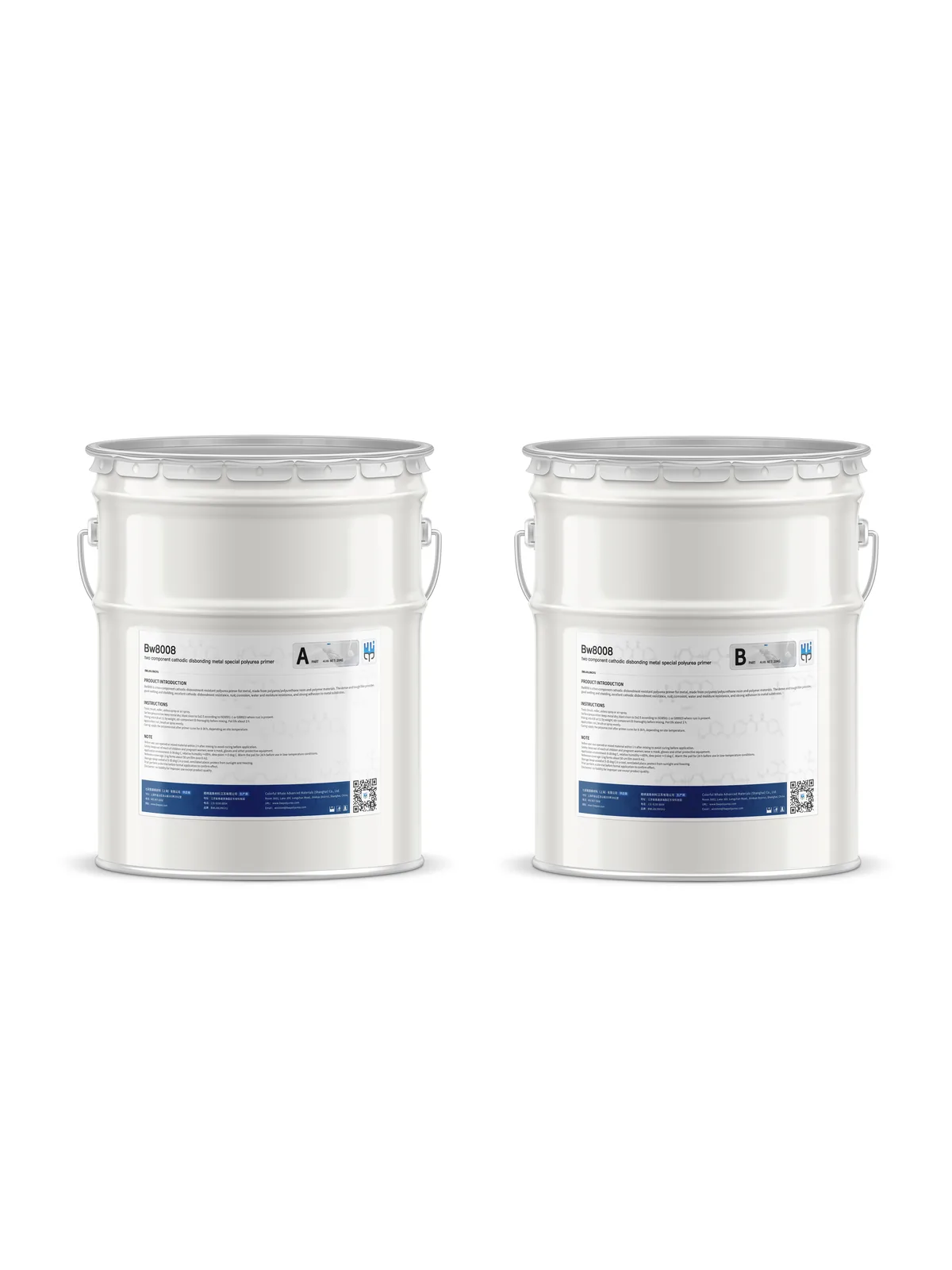
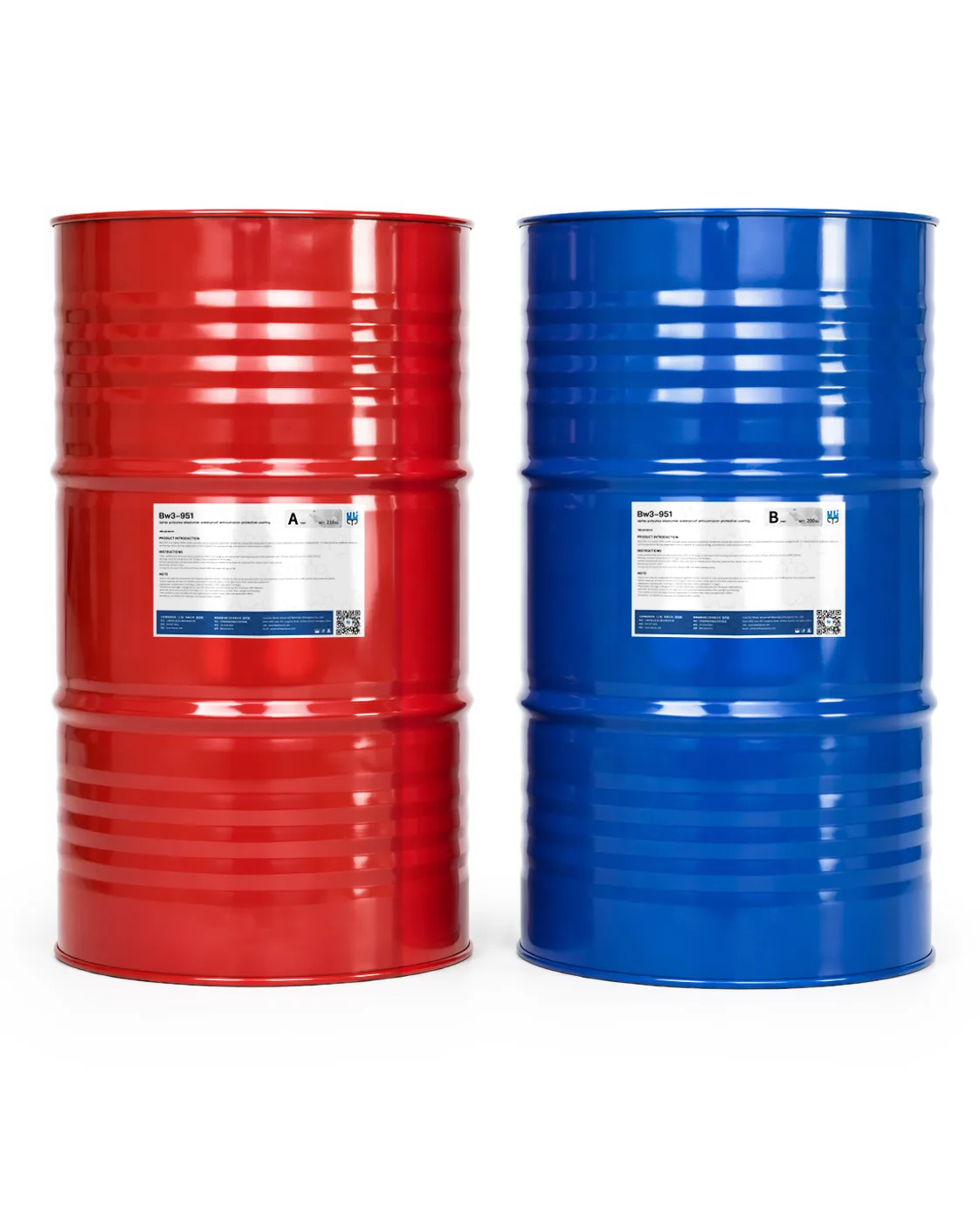
- BW8008 metal primer + BW3-951 spray polyurea wear-resistant protective coating, about 4.5 mm
- Main Functions
- Abrasion resistance, impact protection, anti-corrosion support, steel surface protection and truck bed lining reinforcement
Project information is summarized for application reference. Some project details are not disclosed due to confidentiality requirements.

Why This Coating Route Was Used for Mining Truck Bed Wear Protection
Mining truck beds operate in one of the most demanding wear environments in industrial transportation. During daily service, the truck bed is repeatedly exposed to heavy ore loading, sharp aggregate impact, sliding abrasion, vibration, dust, moisture and material discharge. Unlike ordinary vehicle cargo areas, mining truck beds must withstand continuous mechanical attack from hard minerals, stones, sand and other abrasive materials.
The main pain point in this type of application is direct wear on the steel truck bed. When ore or stone is loaded into the truck, the falling impact can damage the steel surface. During transportation and unloading, the material slides across the bed, causing long-term abrasion. Over time, the steel plate may become scratched, dented, thinned, rusted or locally damaged, especially at high-contact areas such as the bottom plate, side-wall transitions, corners, edges and welded seams.
Another challenge is that mining truck beds are not simple flat surfaces. The structure includes bottom plates, vertical side walls, welded joints, edges, corners and local detail areas. These areas are often where coating damage, liner movement or steel exposure can begin. If the protection layer is too thin, too rigid or poorly bonded, it may not provide enough resistance against repeated impact and abrasion. Once the steel surface is exposed, corrosion and wear can develop faster, leading to more frequent repair, maintenance downtime and higher operating costs.
For this reason, this project used BW8008 metal primer together with BW3-951 spray polyurea protective coating at approximately 4.5 mm. The system was designed as a heavy-duty wear protection route rather than a normal thin protective coating. The purpose is to build a thick, continuous and elastomeric protective lining inside the mining truck bed, helping reduce direct mechanical damage to the steel structure.
BW8008 was used as the metal primer layer before the main spray polyurea coating. In this route, the primer helps support the bonding interface between the prepared steel truck bed surface and the following BW3-951 protective layer. Good adhesion support is important because the lining must remain stable under impact, vibration and material movement. The primer route helps prepare the substrate for a more reliable protective coating build.
BW3-951 was then applied as the main spray polyurea wear protection layer at approximately 4.5 mm. This thickness is important. Mining truck beds require a much stronger protective build than ordinary waterproofing or surface coating applications. A thicker spray polyurea layer helps provide a more practical buffer between the abrasive material and the steel bed surface. It can help absorb part of the impact force from falling ore, reduce direct sliding friction on the steel plate, and protect the truck bed from accelerated wear.
One advantage of spray polyurea in this application is its seamless and continuous film formation. Compared with loose sheet-type liners or ordinary thin coatings, the sprayed coating can follow the shape of the truck bed more closely, including side walls, corners, edges, welded seams and local transitions. This helps reduce weak points caused by gaps, joints, liner movement or incomplete coverage. For mining truck beds, this continuity is especially valuable because wear often starts from local weak areas.
The elastomeric character of the BW3-951 protective layer also supports impact and abrasion management. The coating is not only a surface finish; it acts as a functional wear-resistant lining. In heavy-duty mining transportation, the lining needs to resist repeated scraping, impact and vibration while maintaining adhesion and surface integrity. A continuous 4.5 mm polyurea layer helps improve protection against mechanical wear and reduces direct exposure of the steel bed to moisture, dust and corrosive service conditions.
This coating route also helps improve maintenance planning. When the steel truck bed is directly exposed to ore and abrasive materials, local repair may become more frequent. By adding a thick spray polyurea protective layer, the truck bed surface receives a replaceable and protective wear layer before the steel structure is damaged. This can help reduce the risk of rapid steel wear, corrosion expansion and repeated repair caused by harsh loading and unloading conditions.
The key value of this case is that the coating route is matched to the real working condition of mining transportation. BW8008 supports the metal primer interface, while BW3-951 provides the main thick-film spray polyurea wear protection layer. The approximately 4.5 mm build reflects the higher abrasion, impact and service demands of mining truck bed applications.
For similar mining trucks, ore transport equipment, material handling vehicles or heavy-duty industrial liners, the final coating route should still be reviewed according to the substrate condition, surface preparation level, transported material type, abrasion intensity, impact load, service temperature and maintenance requirements. This case provides an application reference for using a primer-supported thick spray polyurea lining to improve truck bed wear protection and steel surface durability in mining transportation conditions.
Related Products Used
Project Photo Gallery
Project photos show mining truck bed preparation, spray polyurea application, coating thickness inspection, finished truck bed lining details and coated mining truck fleet references.