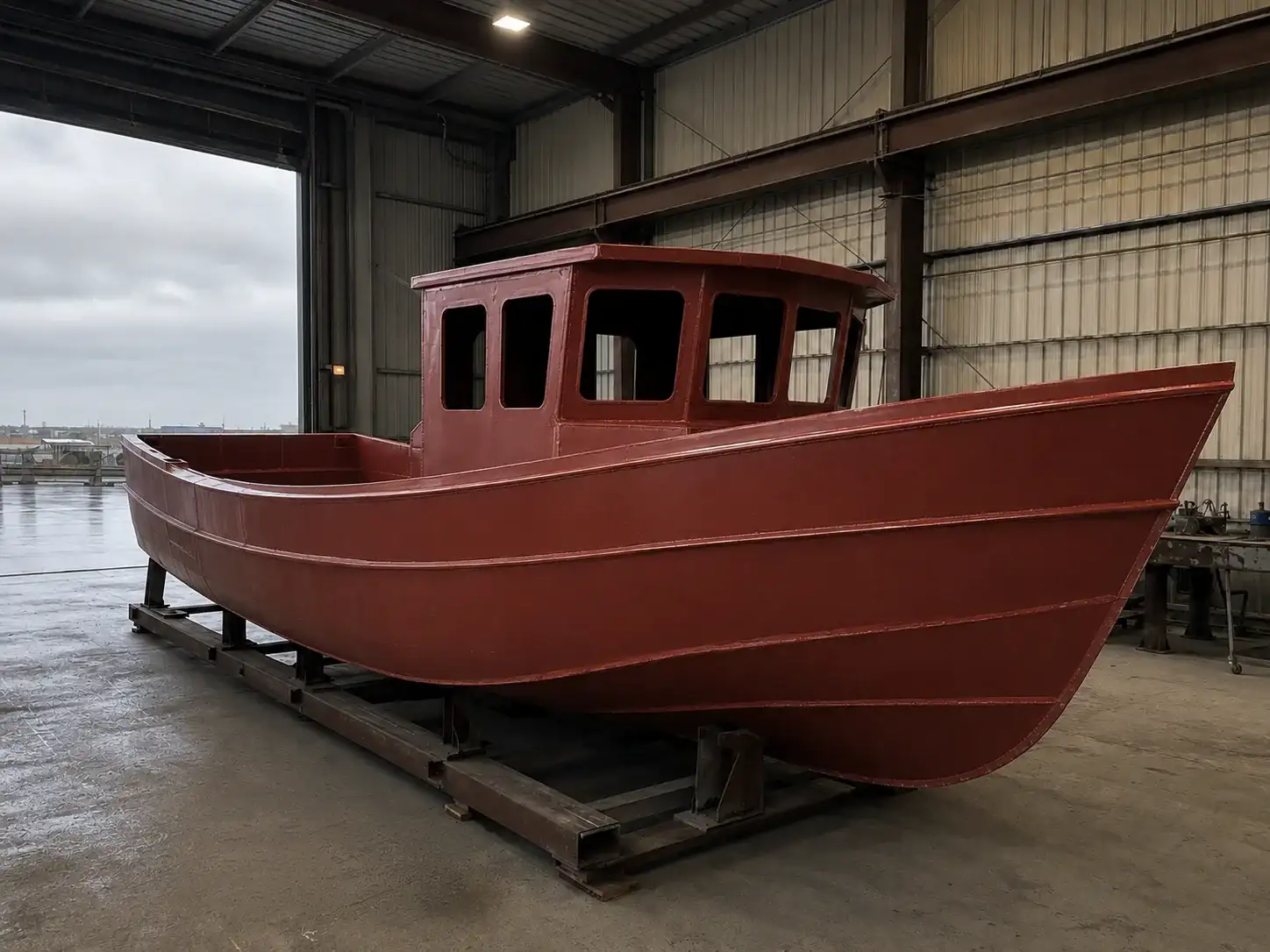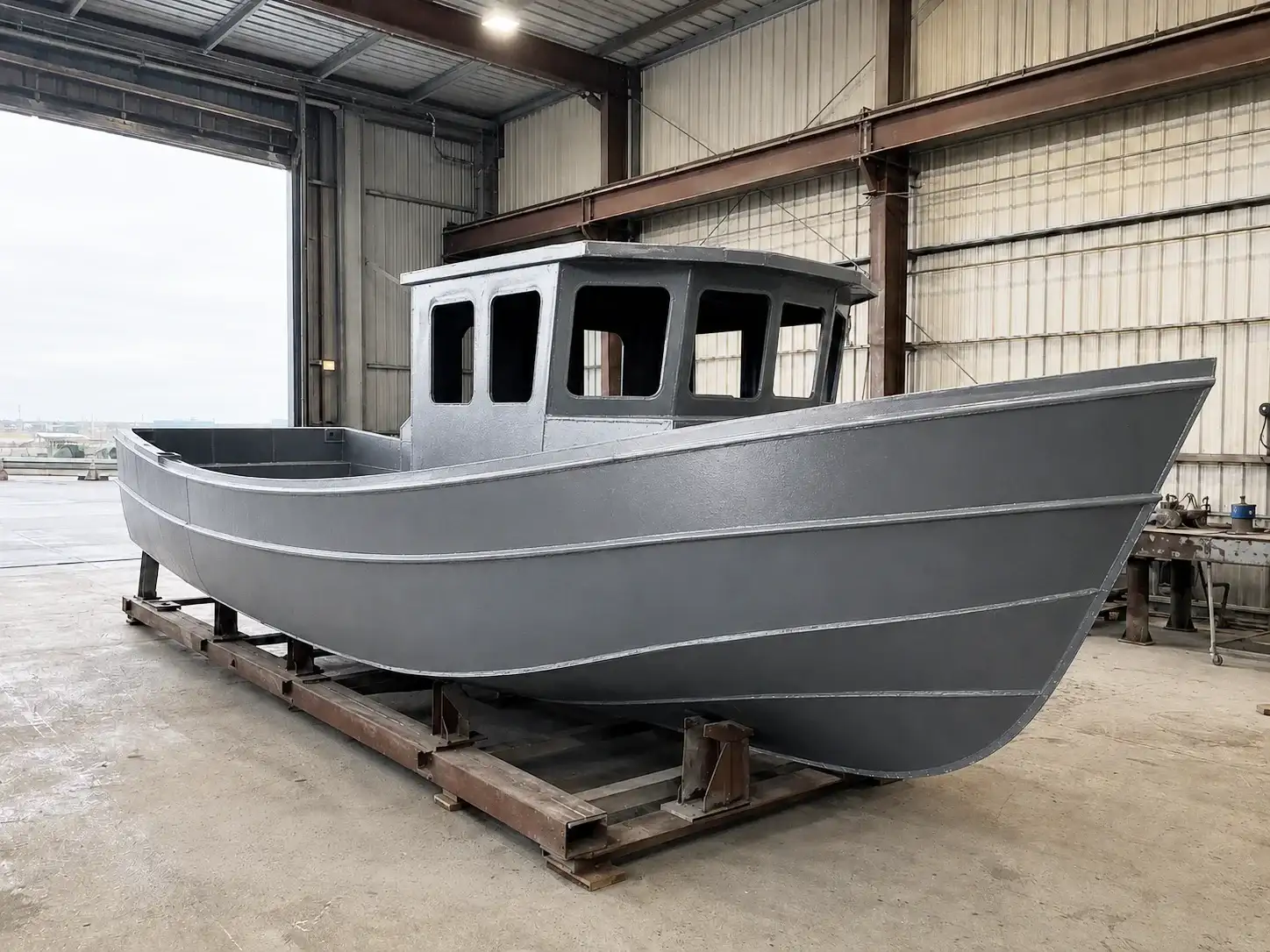
Marine Anti-Corrosion and Salt Spray Protection System

Spray Polyurea Marine Steel
Anti-Corrosion and Salt Spray Protection System

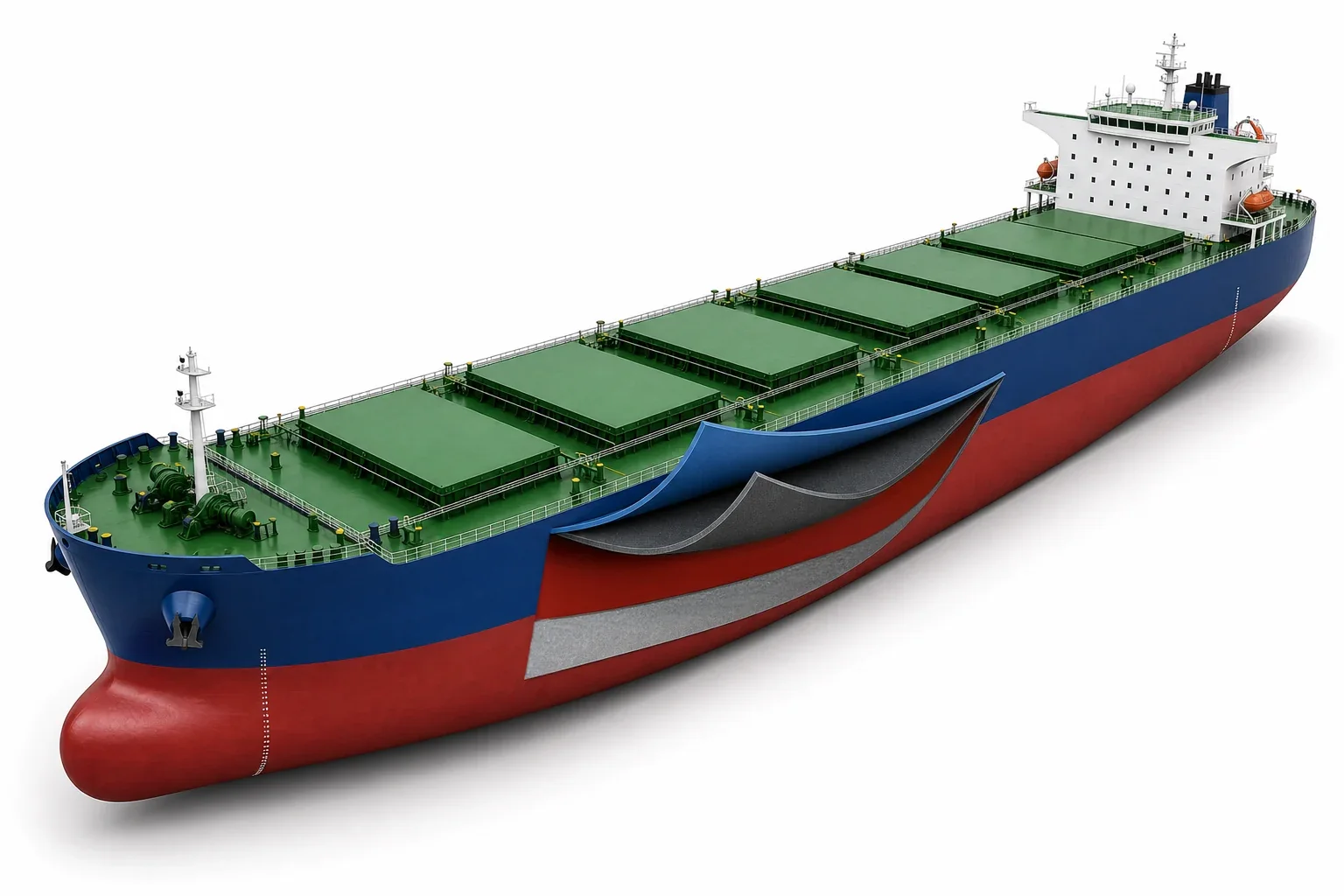
A marine steel anti-corrosion and salt spray protection system using BW8008 metal primer, BW3-900 spray polyurea protective membrane and BW0-8028 exposed anti-corrosion topcoat for ship decks, hulls and offshore steel structures.

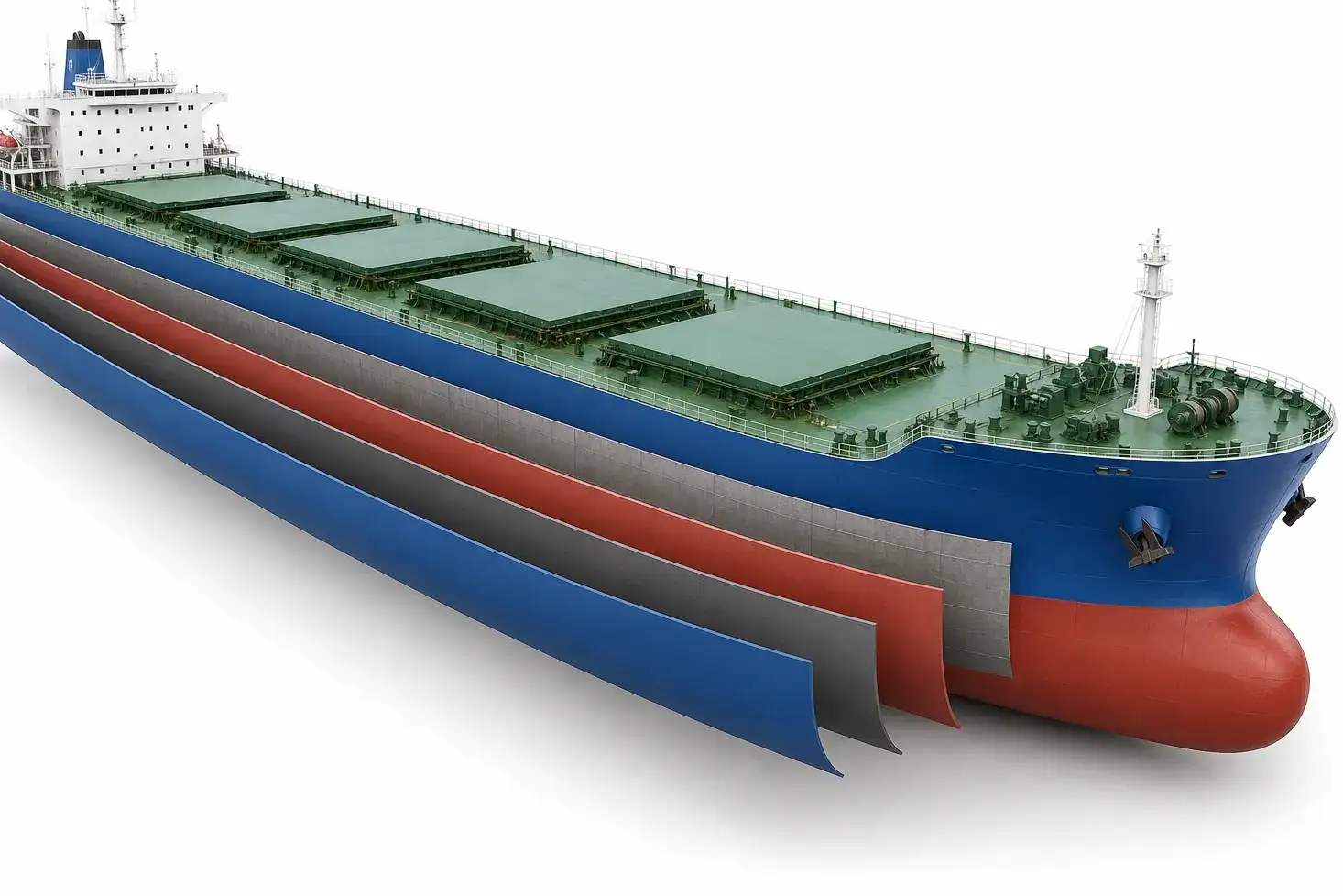
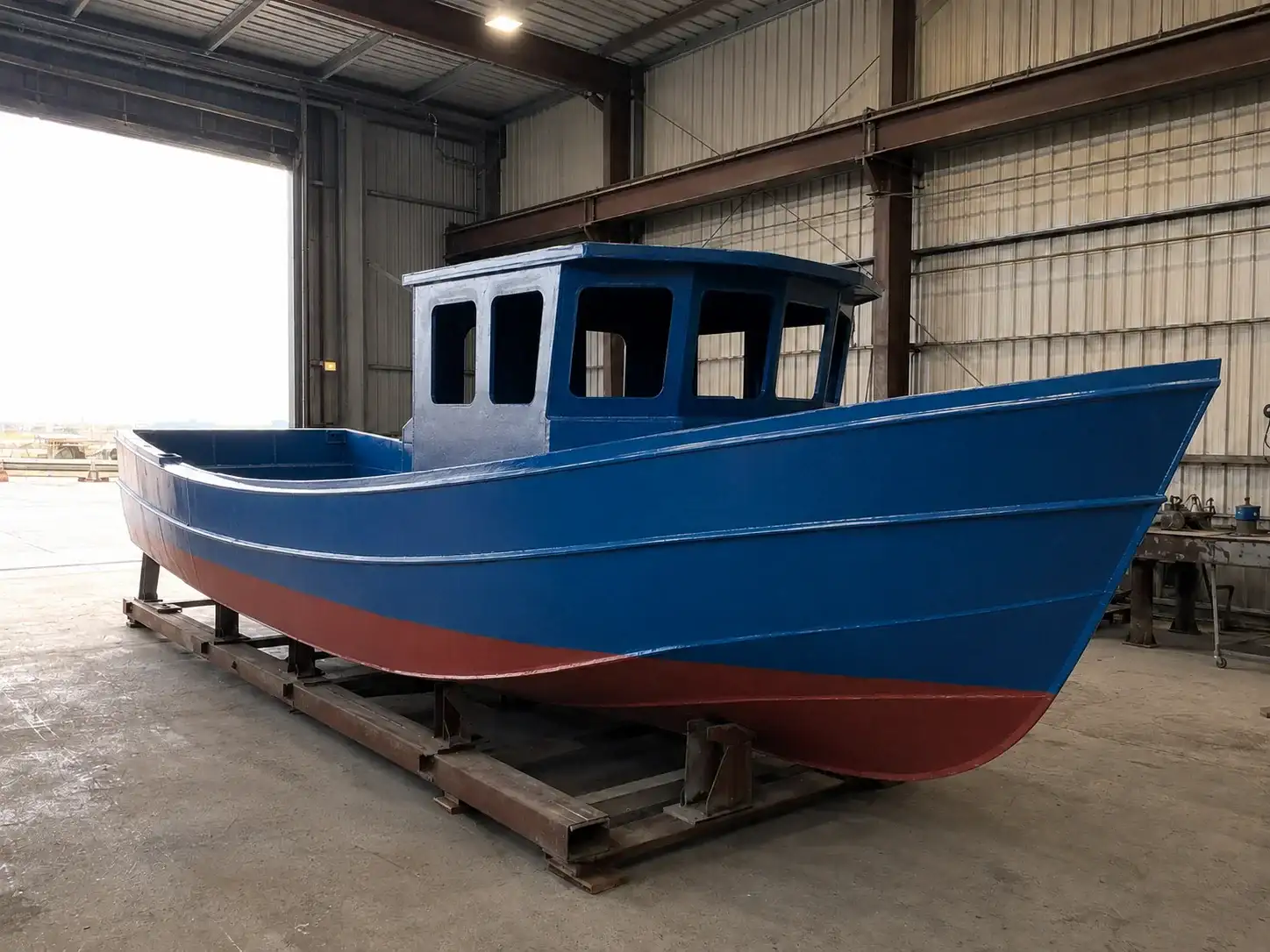
Marine spray polyurea anti-corrosion and salt spray protection system overview for ship steel structures

System build-up

System Build-Up

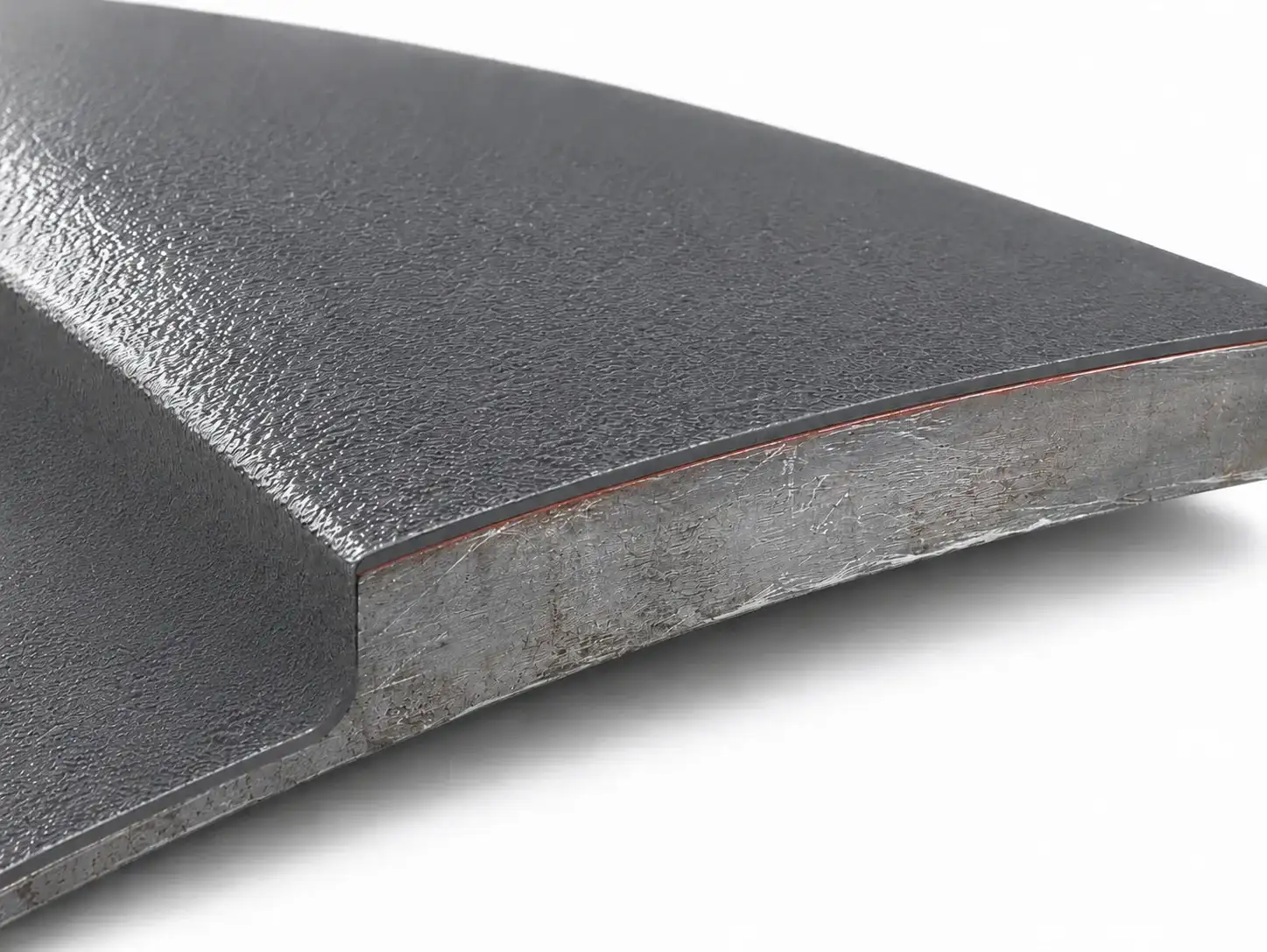
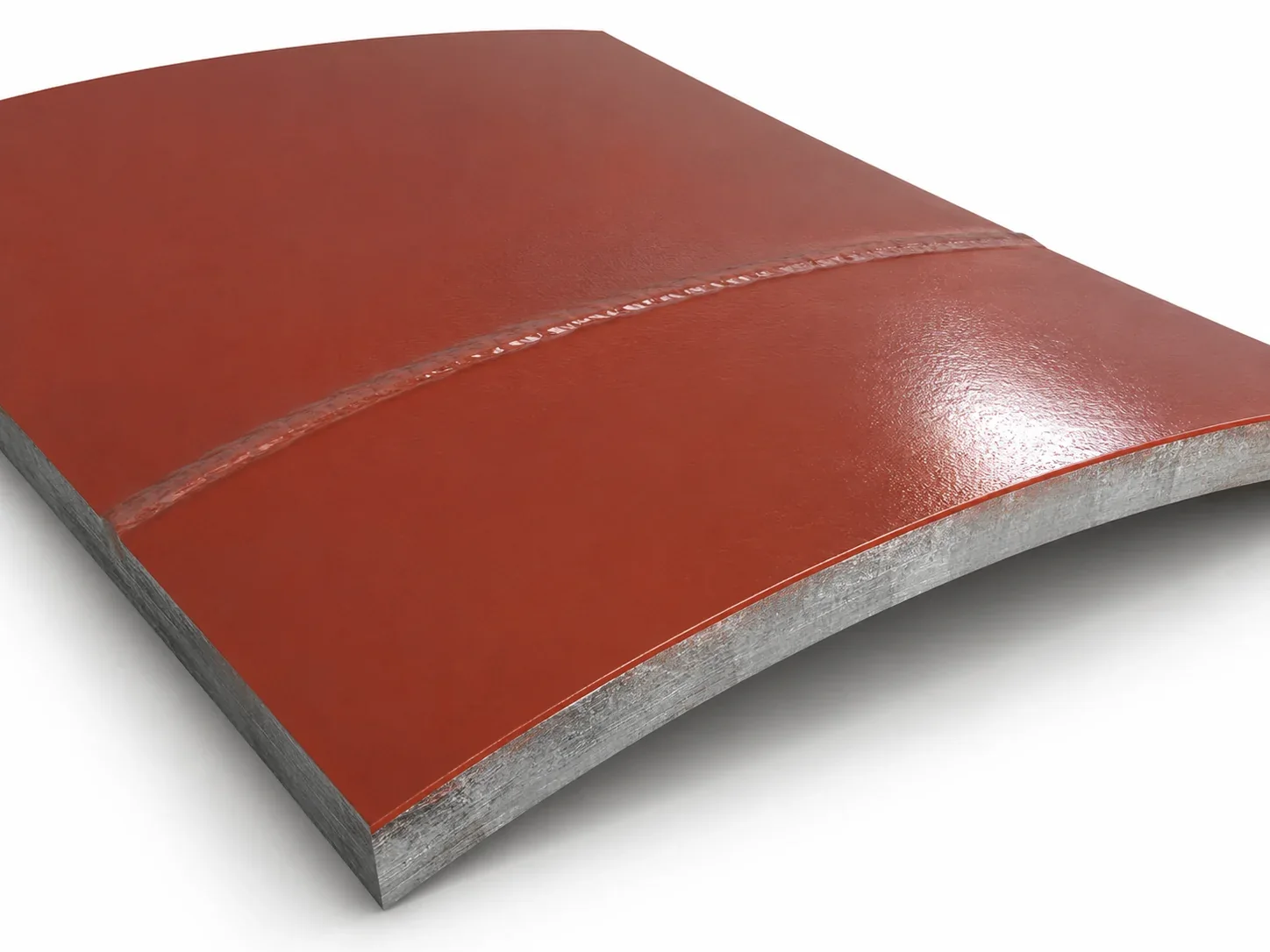
Three real coating layers: metal primer, spray polyurea protective membrane and exposed anti-corrosion topcoat.

  1. 01
    Metal Primer BW8008

    Supports adhesion on prepared steel and helps improve anti-corrosion bonding before the polyurea membrane.

  2. 02
    Spray Polyurea Protective Membrane BW3-900

    Forms the main seamless, high-build protective membrane for marine steel exposure.

  3. 03
    Exposed Anti-Corrosion Topcoat BW0-8028

    Provides exposed weather, salt spray and surface protection for the polyurea membrane.

Layer problem solving

What Each Layer Solves

Each coating layer has a defined role in marine steel anti-corrosion, salt spray resistance and exposed ship or offshore steel protection.

BW8008 metal primer layer detail for marine steel anti-corrosion system
01

BW8008 Metal Primer

Primes prepared steel and supports adhesion.

Main Function
Primes prepared steel surfaces and supports adhesion for the spray polyurea protective membrane.
What It Solves
Weak bonding on steel, residual surface activity after preparation, early adhesion loss and insufficient anti-corrosion interface before the main membrane.
Key Advantage
Helps create a stable anti-corrosion bonding interface before BW3-900 is applied on marine steel surfaces.
BW3-900 spray polyurea thick membrane layer for marine steel protection
02

BW3-900 Spray Polyurea Protective Membrane

Forms the main seamless protective membrane.

Main Function
Forms the main seamless spray polyurea protective membrane over prepared marine steel surfaces.
What It Solves
Salt spray exposure, seawater splash, impact, abrasion, deck wear, complex weld areas, steel edges and weak points caused by joints or overlaps.
Key Advantage
Fast spray-applied installation and seamless high-build membrane formation help protect ship decks, hull areas and offshore steel structures.
BW0-8028 salt spray resistant exposed topcoat for marine anti-corrosion protection
03

BW0-8028 Exposed Anti-Corrosion Topcoat

Protects the exposed surface against salt fog.

Main Function
Provides exposed anti-corrosion, weather-resistant and salt spray resistant surface protection.
What It Solves
UV exposure, salt fog, humid marine air, surface aging, color fading, top surface wear and long-term exposed marine conditions.
Key Advantage
Helps improve exposed surface durability and salt spray protection while keeping the polyurea membrane protected in marine environments.

Application stages

Application Stages

Steel surface preparation, BW8008 metal primer, BW3-900 spray polyurea protective membrane and BW0-8028 exposed anti-corrosion topcoat are handled as separate application stages.

Steel surface preparation before marine spray polyurea anti-corrosion coating
01

Steel Surface Preparation

Prepare the steel surface by cleaning, rust removal, blasting or grinding according to the project standard. This preparation is not counted as a coating layer.

Preparation stage: confirm cleanliness, surface profile, weld seams, steel edges, bolt holes, deck details, dew point margin and project coating requirement before primer application.
02

BW8008 Metal Primer

Apply BW8008 as the metal primer to support adhesion on prepared steel and build the anti-corrosion interface before the spray polyurea membrane.

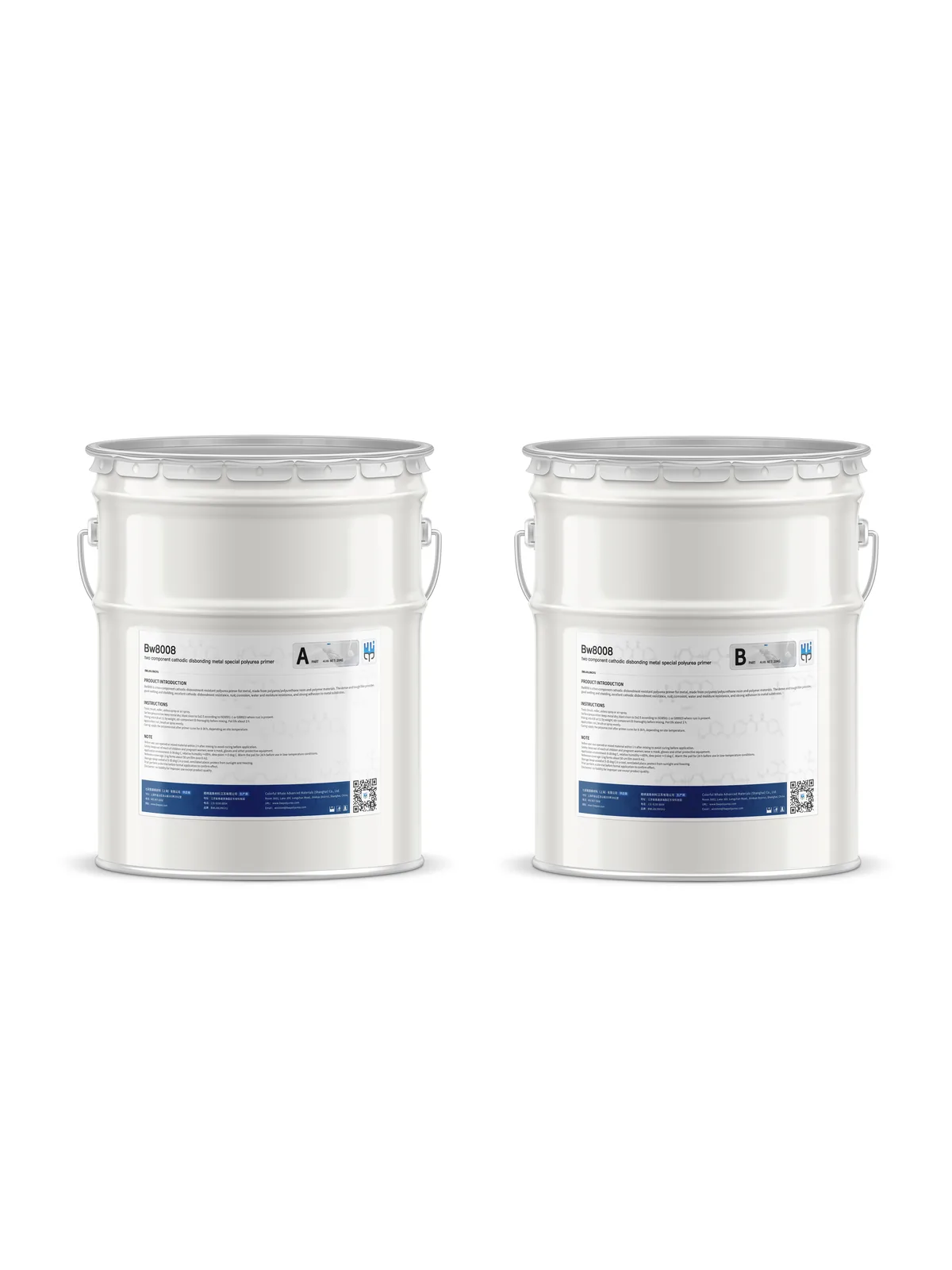
Product used: BW8008. Product data lists 30-50 um recommended DFT and 0.12 kg/m2 at 50 um film thickness. BW8008 Metal Anticorrosion Primer official product packaging image Product usedView BW8008 ->
BW8008 metal primer application on prepared marine steel
BW3-900 spray polyurea application for thick marine protective membrane
03

BW3-900 Spray Polyurea Protective Membrane

Spray BW3-900 as the main seamless high-build protective membrane for marine steel exposure, ship decks, hull splash zones and offshore steel structures.

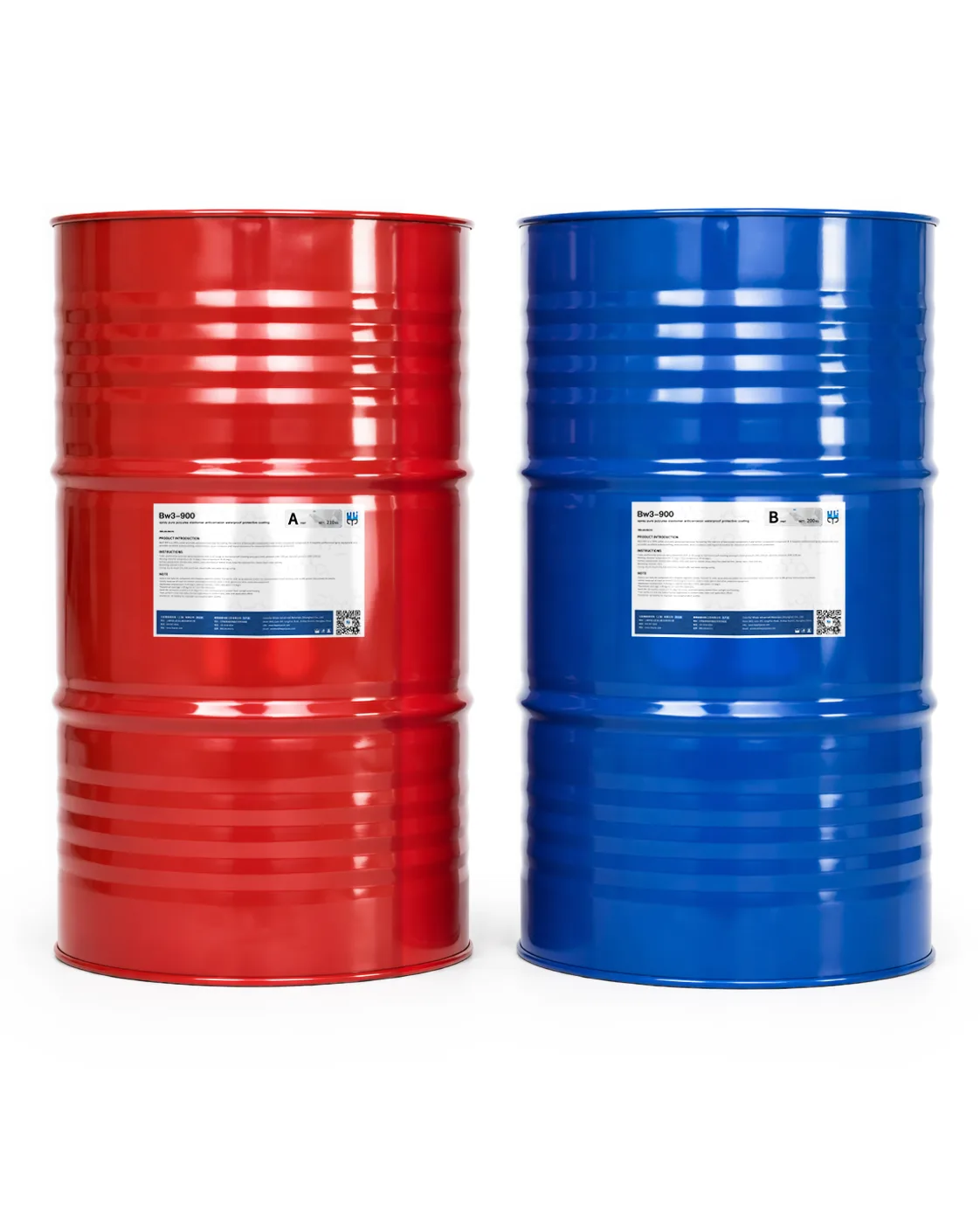
Product used: BW3-900. Product data lists 1000-3000 um recommended film thickness; final DFT follows project specification. BW3-900 Spray Polyurea Coating official product packaging image Product usedView BW3-900 ->
04

BW0-8028 Exposed Anti-Corrosion Topcoat

Apply BW0-8028 as the weather-resistant and salt spray resistant exposed protection over the spray polyurea membrane.

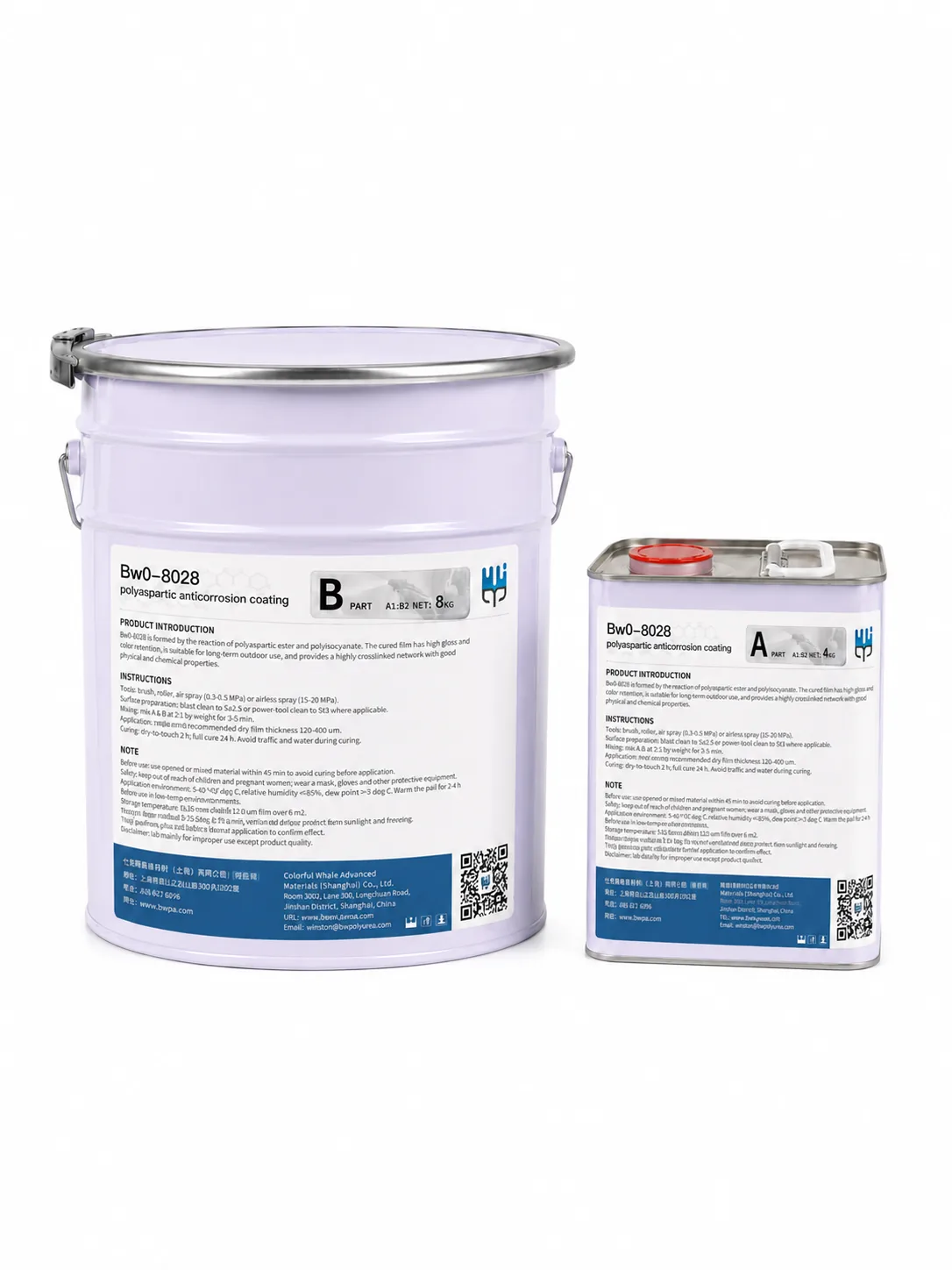
Product used: BW0-8028. Product data lists 0.15 kg/m2 at 100 um film thickness; final topcoat DFT follows project specification. BW0-8028 Polyaspartic Metal Anticorrosion Topcoat official product packaging image Product usedView BW0-8028 ->
Finished BW0-8028 marine salt spray resistant topcoat surface

Technical data center

Technical Data Center

Scenario-relevant technical evidence for prepared marine steel adhesion, ship deck and hull splash-zone protection, offshore steel exposure, seawater splash, salt spray, humid marine air and exposed topcoat durability.

BW8008 Metal Primer Key Data

ItemTest standard / referenceResult
Product role System planning Metal primer, adhesion support on prepared steel and anti-corrosion interface
Recommended dry film thickness Product guide 30-50 um
Theoretical coverage 50 um film thickness 0.12 kg/m2
Mix ratio By weight A:B = 1:1
Adhesion / tensile strength ASTM D-3359 11.5 MPa or substrate failure
Cathodic disbonding resistance HG / T 3831-2006 <=15 mm
Salt spray resistance Product data reference 1000 h; rusting, blistering and peeling not observed in product data
Relevance to marine steel System planning Supports primer bonding before BW3-900 on prepared ship deck, hull and offshore steel details

BW3-900 Spray Polyurea Protective Membrane Key Data

ItemTest standard / referenceResult
Product role System planning Main seamless spray polyurea protective membrane
Solid content Part A / Part B 100% / 100%
Mix ratio By volume 1 : 1
Gel time @ 25 deg C Product data reference 4-6 s
Recommended film thickness Product data reference 1000-3000 um
Tensile strength GB / T 23446-2009 22 MPa
Elongation rate GB / T 23446-2009 482%
Wear resistance HG / T 3831-2006 4.2 mg
Steel-base adhesion GB / T 23446-2009 11.3 MPa
Salt spray resistance Product data reference 2000 h; rusting, blistering and peeling not observed in product data
Relevance to marine steel System planning Supports ship deck, hull splash zone and offshore steel protection where impact, abrasion and seawater splash are reviewed

BW0-8028 Exposed Topcoat Key Data

ItemTest standard / referenceResult
Product role System planning Exposed metal anti-corrosion topcoat over BW3-900 membrane
Theoretical coverage 100 um film thickness 0.15 kg/m2
Solid content Part A / Part B 75% / 90%
Mix ratio By weight A:B = 1:2
Metal-base adhesion HG / T 3831-2006 9.3 MPa
Salt spray resistance Product data reference 1000 h; rusting, blistering and peeling not observed in product data
Accelerated aging GB / T 14522-1993, 1000 h Gloss loss <1; chalking <1
Relevance to marine steel System planning Exposed weather, UV, salt fog and humid marine air protection for the polyurea membrane surface

Technical values are planning references from current product data. Final material selection, surface preparation standard, film thickness, consumption and application conditions should be confirmed according to project specification and the latest technical data sheet.

Quality control

Application & Quality Control

Quality control should focus on steel cleanliness, primer continuity, membrane thickness and topcoat surface condition before handover.

01

Steel Readiness

Confirm steel surface condition before primer application.

  • Rust and salt removal
  • Oil and contamination removal
  • Surface profile
  • Dew point margin
02

Primer and Membrane Control

Review BW8008 coverage and BW3-900 membrane build during application.

  • Continuous primer film
  • Recoat interval
  • Target membrane thickness
  • Detail coverage
03

Topcoat and Handover

Check BW0-8028 exposed topcoat before service.

  • Surface finish
  • Color requirement
  • Film continuity
  • Final inspection records
Inspection focus
  • Steel preparation
  • Primer bonding
  • Membrane thickness
  • Salt-spray exposed topcoat

Marine steel risk areas

How This System Helps Reduce Marine Steel Corrosion Risks

Marine steel corrosion risks often concentrate around ship decks, ship hull splash zones, offshore steel structures, seawater splash, salt spray, salt fog, humid marine air, weld seams, steel edges, bolt holes, deck details, impact and abrasion, coating peeling risk, underfilm corrosion risk, UV exposure and weather exposure. This three-layer system helps address adhesion, seamless membrane continuity and exposed salt spray protection.

  1. 01

    Ship Decks and Deck Details

    Ship decks, deck details, bolt holes and wear zones need attention because traffic, standing moisture, impact and abrasion can increase coating stress.

    Check before specification: deck wear / bolt holes / impact and abrasion

  2. 02

    Hull Splash Zones and Seawater Contact

    Ship hull splash zones face seawater splash, salt spray, salt fog and humid marine air, which can raise underfilm corrosion and top surface aging risks.

    Check before specification: hull splash zones / seawater splash / salt fog

  3. 03

    Weld Seams and Steel Edges

    Weld seams, steel edges and transitions should be reviewed carefully because thin coverage or weak bonding can raise coating peeling risk at detail areas.

    Check before specification: weld seams / steel edges / detail coverage

  4. 04

    Offshore Steel and Weather Exposure

    Offshore steel structures face UV exposure, weather exposure, humid marine air and salt deposition, so topcoat durability and maintenance planning should be reviewed.

    Check before specification: offshore steel / UV exposure / weather exposure

Do not finalize material consumption from area alone. Confirm steel surface preparation, corrosion grade, service exposure, target DFT, edge detail treatment and inspection standard before ordering.

Before you request a quote

Before You Request a Quote

Share the marine steel condition and project targets so the BW8008 + BW3-900 + BW0-8028 system can be reviewed before material planning.

Prepare the project basics first.

A useful marine anti-corrosion system quotation starts with substrate condition, exposure level, target film thickness and inspection requirement, not only the coated area.

Photos or drawings of edges, welds, deck details, splash zones and worn areas can help review the build-up faster.

  • Coating area
  • Ship hull, deck or steel structure
  • Steel surface condition
  • Rust grade
  • Surface preparation method
  • Seawater or salt fog exposure
  • Impact and abrasion risk
  • Target membrane thickness
  • Topcoat color requirement
  • Project location
  • Construction timeline
  • Required inspection standard

After these details are ready, use the inquiry form below to request a marine steel system review.

FAQ

FAQ About Marine Spray Polyurea Anti-Corrosion Protection

Common questions about using BW8008, BW3-900 and BW0-8028 for marine steel anti-corrosion and salt-spray protection.

What is this system used for?

It is used for prepared marine steel, ship decks, ship hull splash zones and offshore steel structures that need anti-corrosion and salt spray protection.

Which layer is the main protective membrane?

BW3-900 is the main seamless spray polyurea protective membrane. BW8008 supports steel adhesion and BW0-8028 protects the exposed top surface.

Why is BW8008 primer needed on steel?

BW8008 primes prepared steel surfaces, supports adhesion and helps create the anti-corrosion interface before BW3-900 is sprayed.

What does BW0-8028 do in marine exposure?

BW0-8028 provides exposed anti-corrosion, weather-resistant and salt spray resistant surface protection for the BW3-900 membrane.

What steel details need special attention?

Weld seams, steel edges, bolt holes, deck details, hull splash zones, worn areas and transitions should be reviewed before coating.

Is this system suitable for seawater splash and salt spray exposure?

It is designed for marine steel exposure such as seawater splash, salt spray, salt fog and humid marine air when the steel is properly prepared and the system is specified for the project.

How should final DFT be confirmed?

Final DFT should be confirmed by project specification, service exposure, inspection standard, steel details and the latest product data rather than by area alone.

What is the expected service life?

Based on laboratory testing and practical project verification, this marine steel anti-corrosion coating system is designed to support up to 20 years of service life when properly installed on prepared steel substrates and maintained according to project requirements.