Old Tile Overlay Polyaspartic Protection System

Polyaspartic Old Tile Overlay
Waterproofing and Protection System

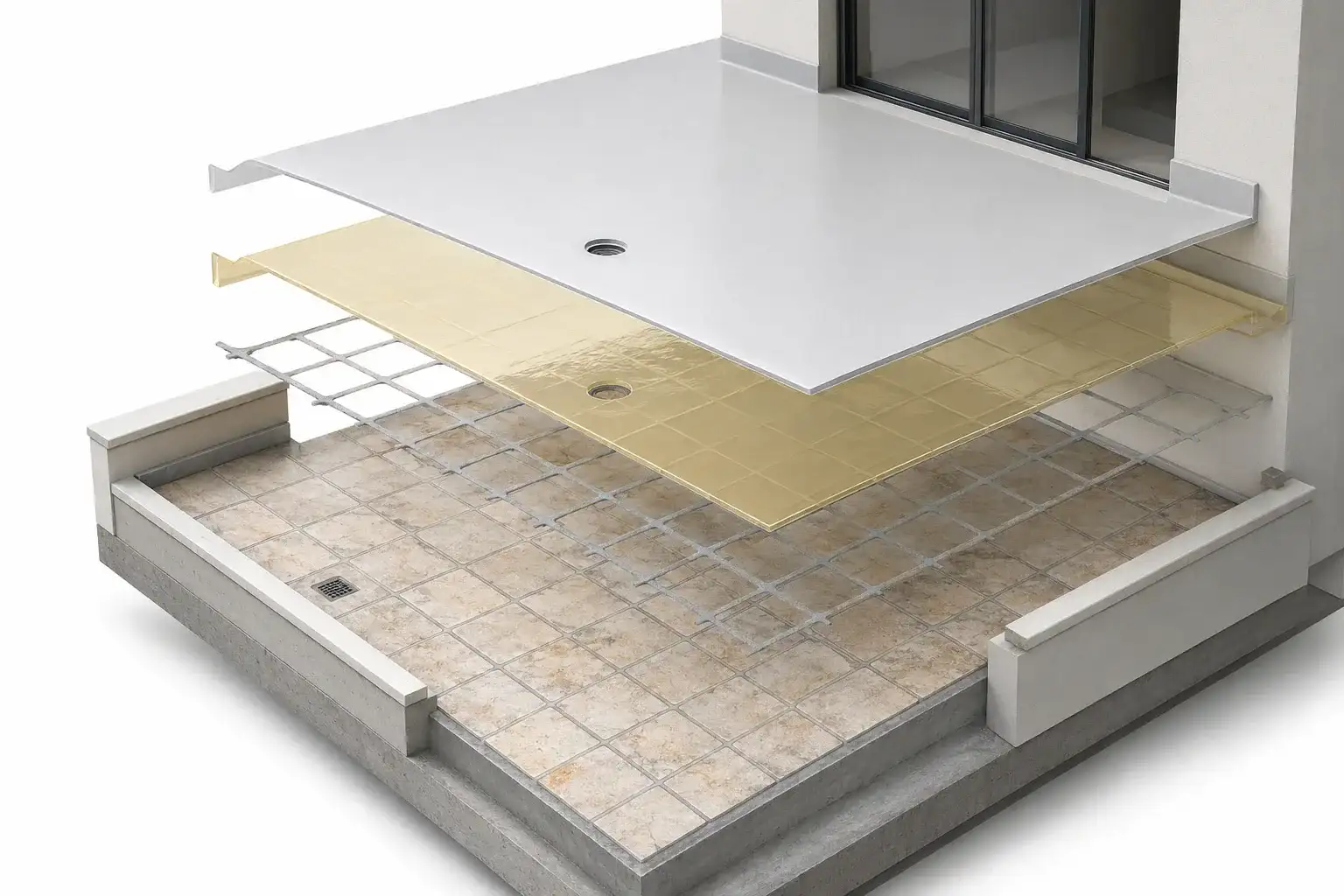
Use joint grooving, BW6-9527 quartz-sand joint filling, BW8007 adhesion interface coat and BW8032 surface overlay protection to renovate old tile surfaces without removing the entire tile layer.

Old tile overlay polyaspartic waterproofing and protection system overview with BW6-9527 joint filling, BW8007 adhesion interface and BW8032 surface overlay

System Build-Up

Three-Layer Old Tile Overlay Build-Up

BW6-9527 quartz-sand joint filling, BW8007 adhesion interface and BW8032 surface overlay protection are reviewed as the product coating build-up.

  1. 01
    Joint Filling / Repair BW6-9527 + Quartz Sand

    Quartz-sand joint filling and local repair layer

  2. 02
    Adhesion Interface BW8007

    Bonding interface before the overlay coat

  3. 03
    Surface Overlay Protection BW8032

    Exposed waterproofing, protection and decorative overlay surface

Layer function

What Each Layer Solves

Each product layer solves a different old-tile overlay risk: tile-joint weakness, bonding over dense tile and exposed surface waterproofing protection.

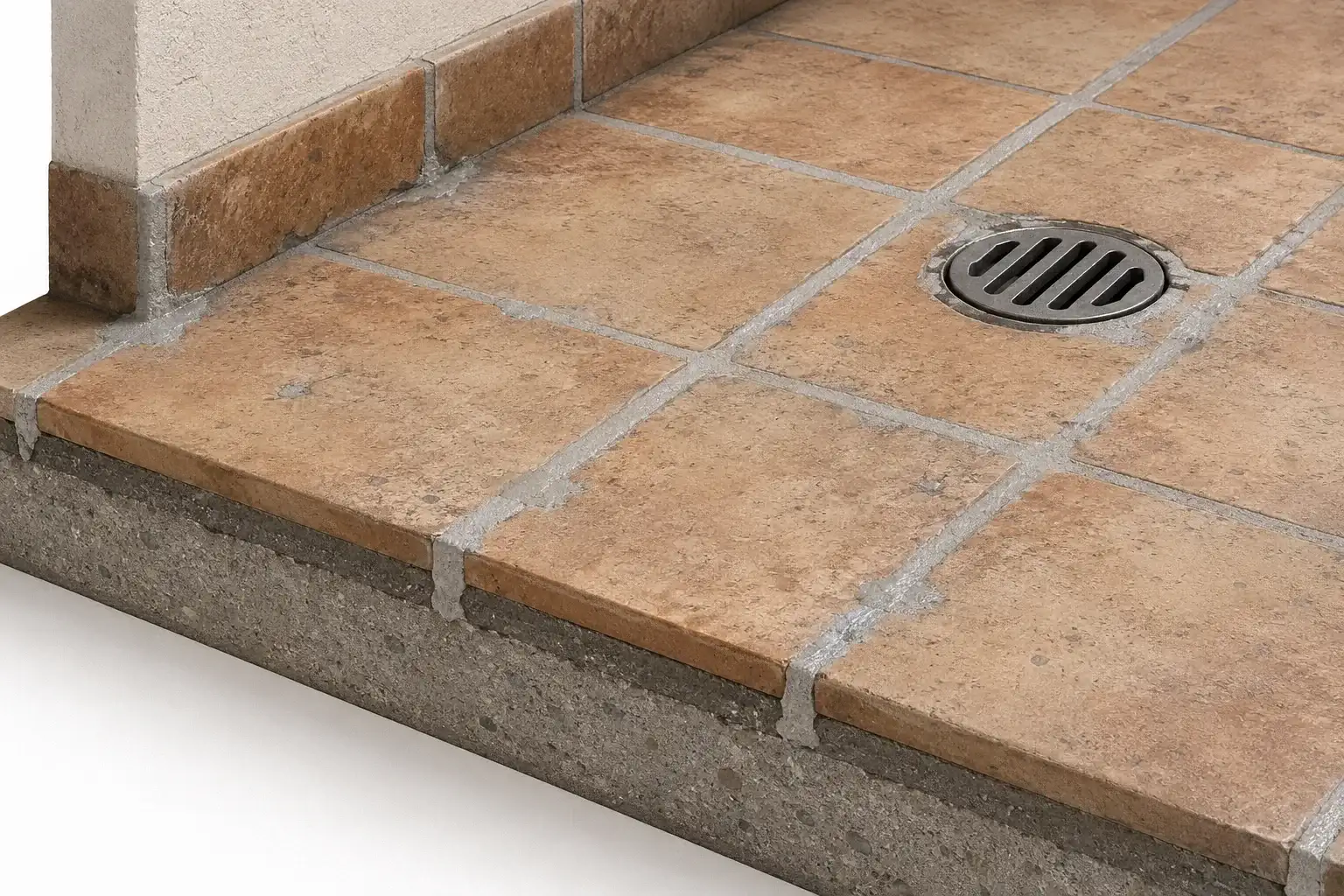
BW6-9527 quartz sand joint filling and local repair layer for old tile overlay system
01

Joint Treatment / BW6-9527 + Quartz Sand

Fills tile joints and local weak points.

Main Function
Uses BW6-9527 blended with quartz sand for grooved tile joint filling, gap treatment and local repair before the overlay system is applied.
What It Solves
Open tile joints, gaps, local weak spots and repaired areas that may interrupt surface continuity if they are left untreated.
Key Advantage
Helps rebuild a more stable joint and repair zone before the adhesion interface and surface overlay layers are applied.
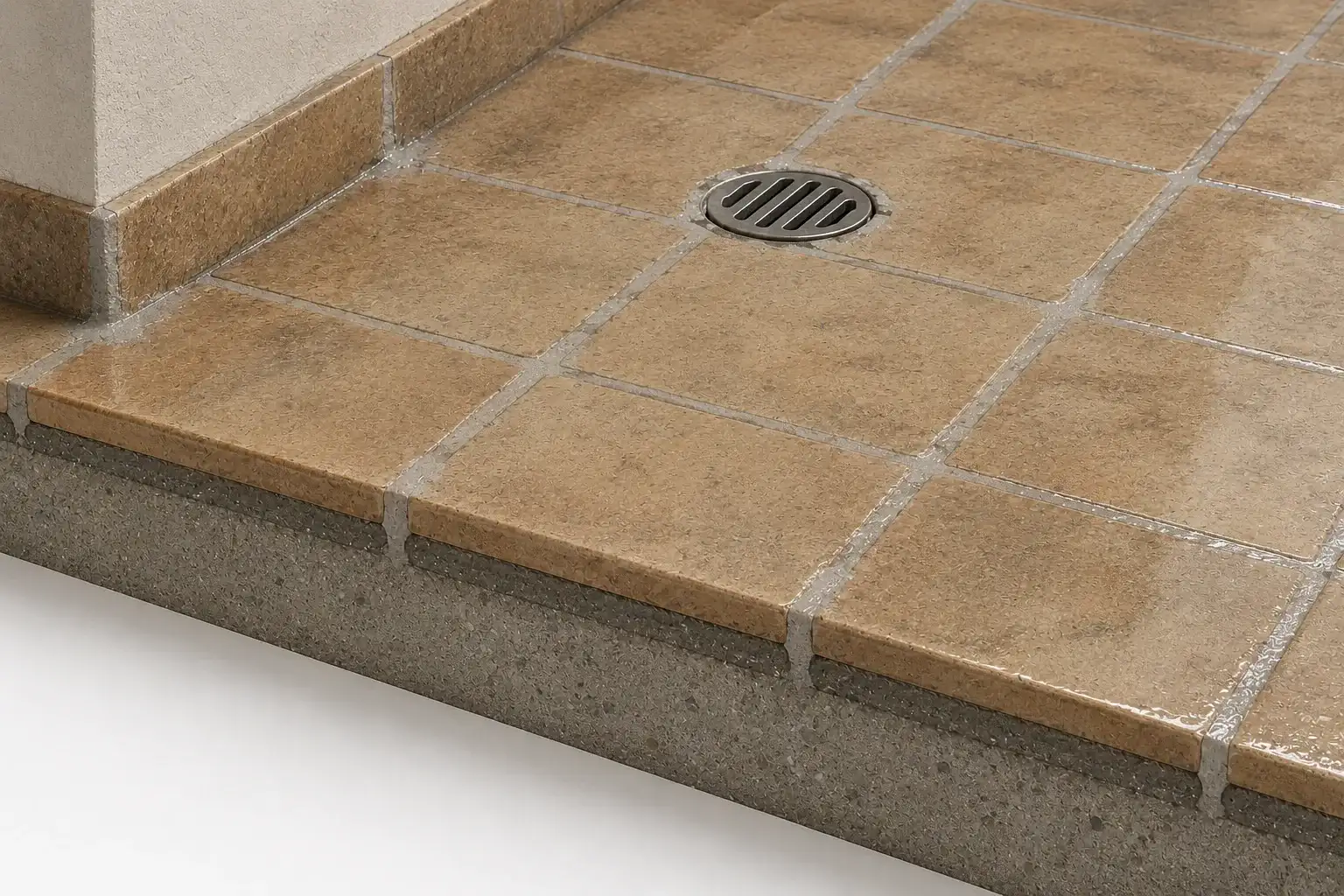
BW8007 adhesion interface layer over prepared old tile surface before BW8032 overlay protection
02

Adhesion Interface / BW8007

Improves bonding over dense tile.

Main Function
Acts as the adhesion interface coat between the prepared old tile surface and the following BW8032 overlay layer.
What It Solves
Dense ceramic tile surfaces, low surface absorption and bonding difficulty that can reduce overlay adhesion.
Key Advantage
Helps create a more reliable bonding interface before the surface overlay protection layer is applied.
BW8032 surface overlay waterproofing and protection layer for old tile renovation system
03

Surface Overlay / BW8032

Covers the old tile with a protective finish.

Main Function
Forms the exposed polyaspartic surface overlay for waterproofing, protection and decorative renewal over prepared old tile.
What It Solves
Aging tile appearance, exposed surface wear, surface discontinuity and the need for a renewed protective finish.
Key Advantage
Helps create a continuous surface overlay while keeping the system focused on adhesion, protection and decorative renewal.

Application Stages

How This System Helps Reduce Old Tile Overlay Risks

Old tile overlay waterproofing risks often come from dense glazed tile surfaces, weak bonding, dust, oil, cleaning residue, loose tile areas, open joints, grooved joints, cracked or hollow tiles, drain edges, wall-floor corners, door thresholds, exposed surface wear and peeling risk at weak edges. This system uses BW6-9527 blended with quartz sand for joint filling and local repair, BW8007 as the adhesion interface coat and BW8032 as the exposed surface overlay to help improve bonding, reduce weak joint paths and create a continuous protective finish over the prepared old tile surface.

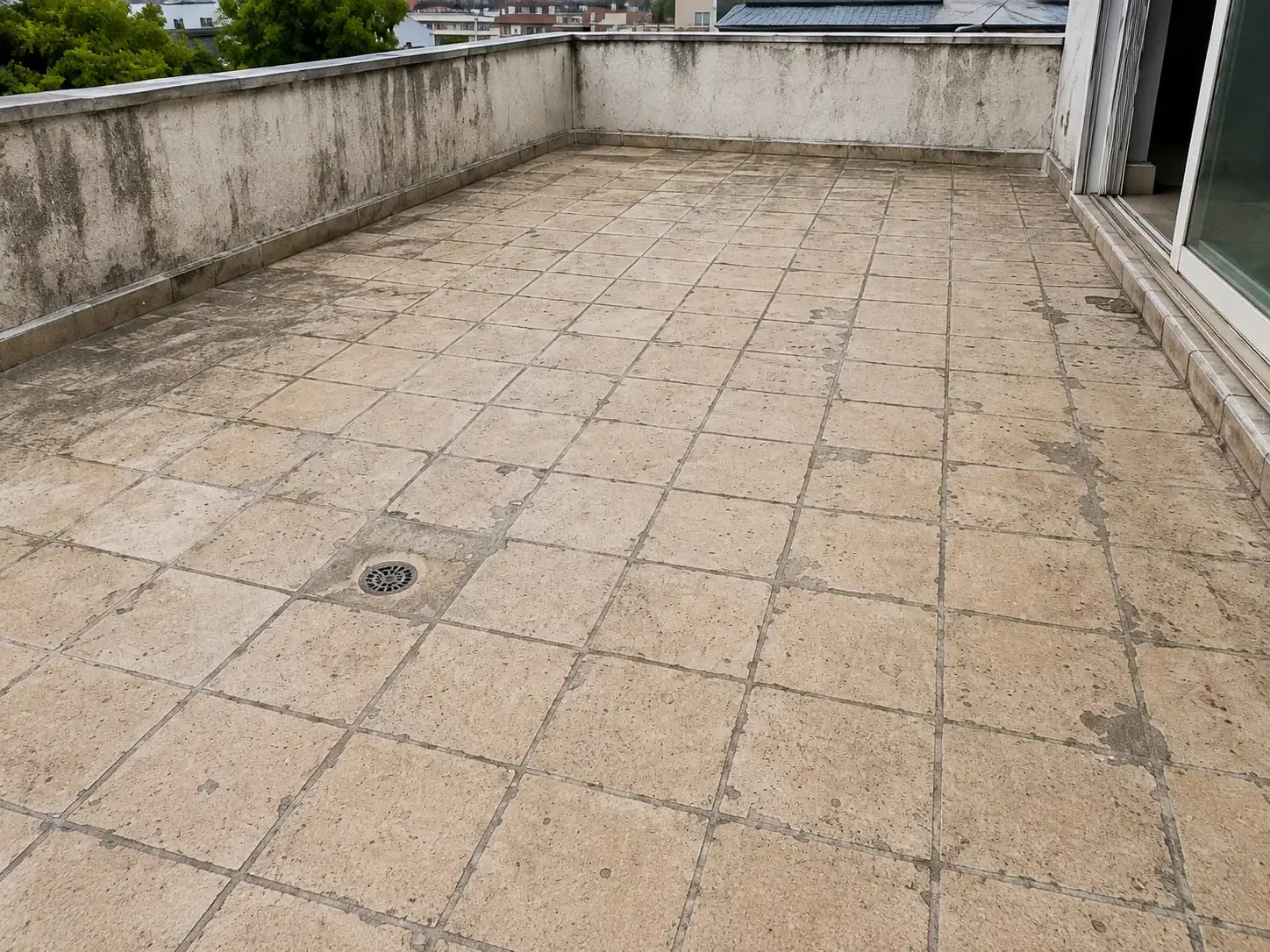
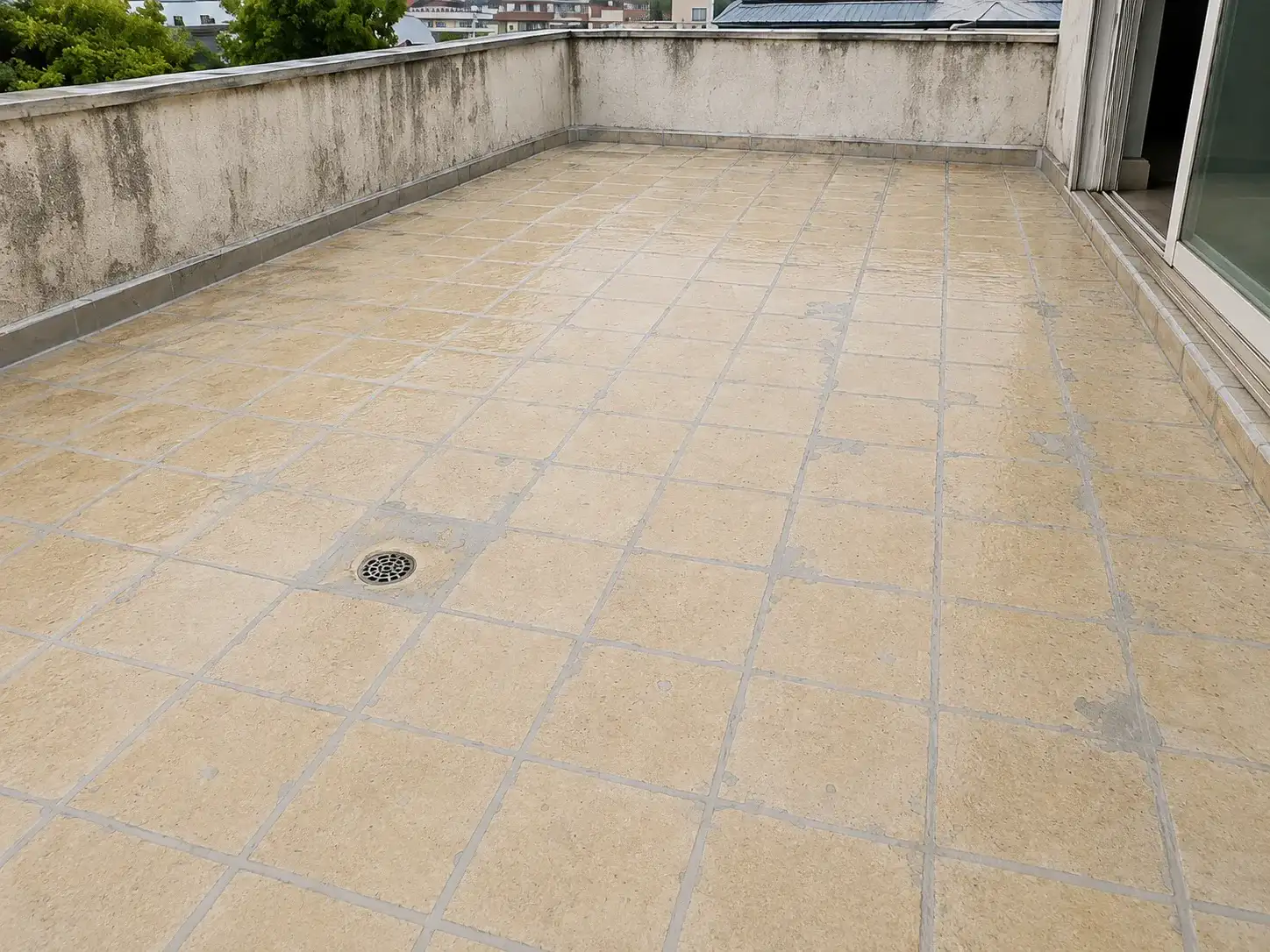
Old tile cleaning and joint grooving preparation before BW6-9527 joint filling and polyaspartic overlay
01

Old Tile Surface Cleaning and Joint Grooving

Clean the old tile surface, remove dust, oil, loose material and weak areas, then groove or open tile joints where needed. This step helps reduce bonding failure caused by contamination, dense glazed surfaces, untreated gaps and weak tile edges.

Reference: cleaning, drying, joint opening, edge checking and removal of weak or hollow areas should be confirmed before product coating work. Loose, hollow, severely cracked or unstable tiles should be removed, repaired or mechanically fixed before the overlay system is applied.
02

BW6-9527 Quartz-Sand Joint Filling / Repair

Blend BW6-9527 with quartz sand for grooved tile joint filling, gap treatment and local repair. This step helps reduce leakage paths through open joints, cracked joints, small voids and local weak points before the adhesion interface coat is applied.

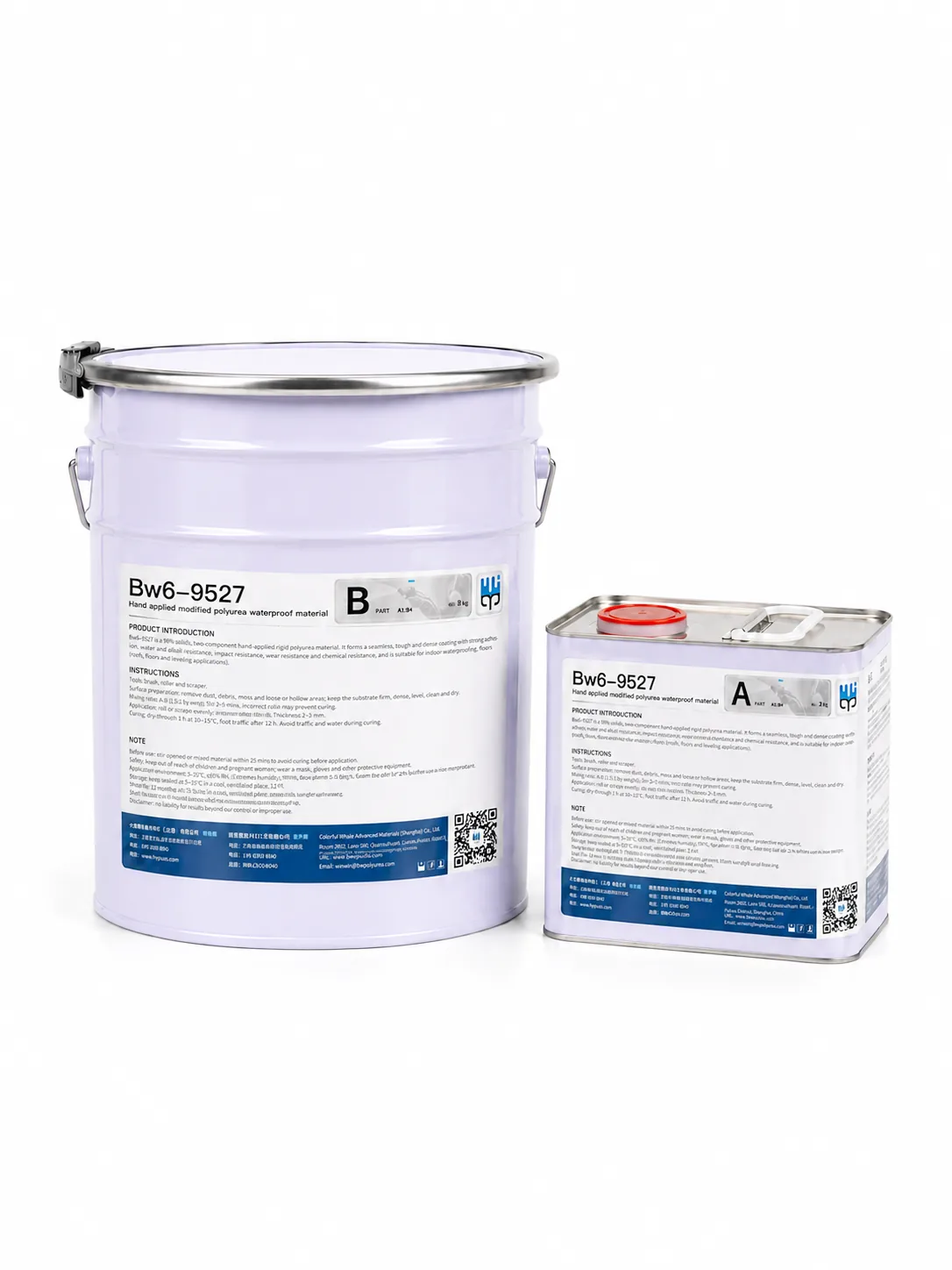
Reference: BW6-9527 product data lists about 0.7 kg/m2 at 500 um. When blended with quartz sand, final joint filling consumption depends on joint width, groove depth, sand ratio and repair scope. BW6-9527 official product packaging for quartz-sand joint filling and old tile overlay repair Product usedView BW6-9527 ->
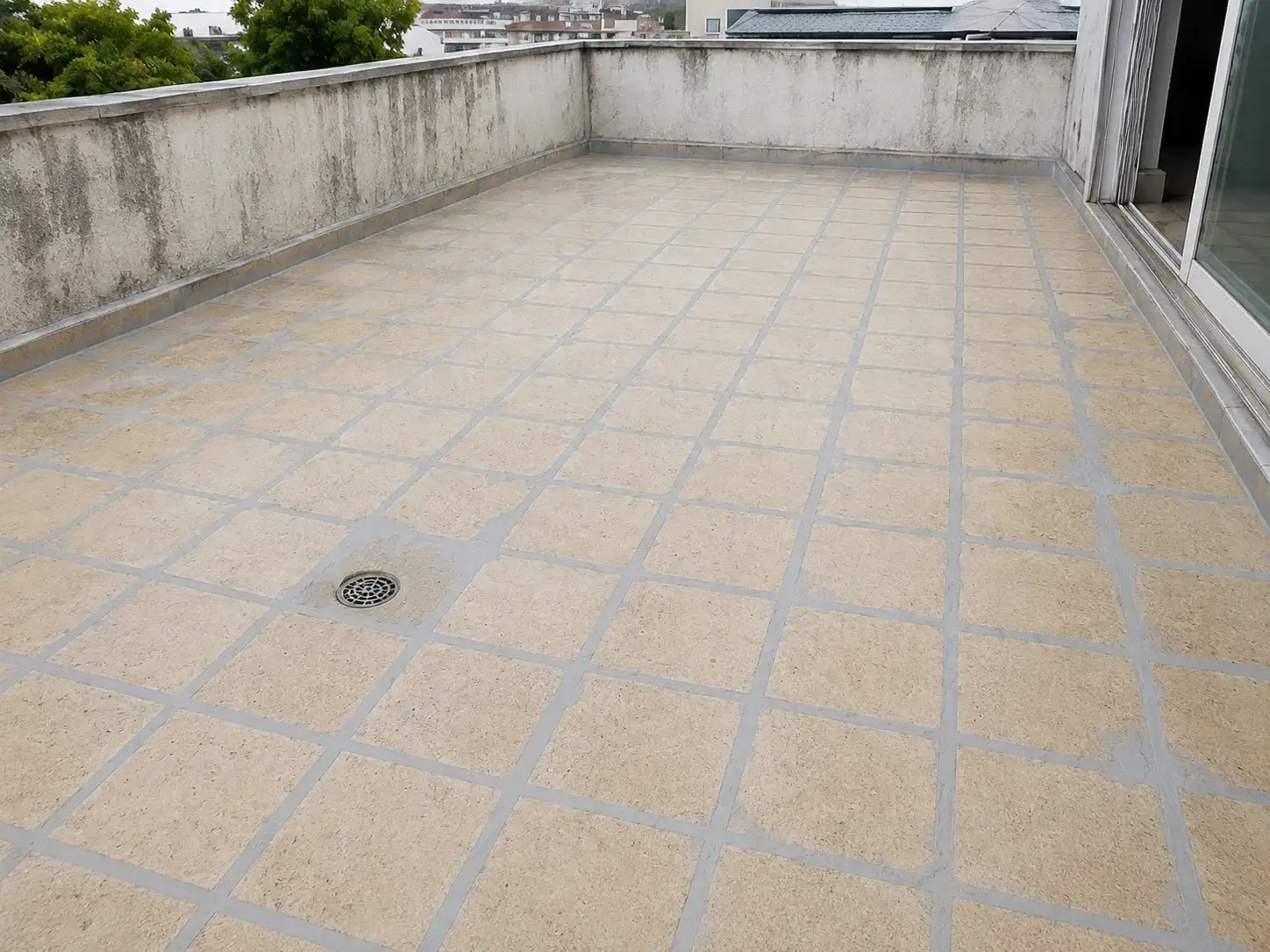
BW6-9527 quartz sand joint filling application for old tile overlay waterproofing and protection system
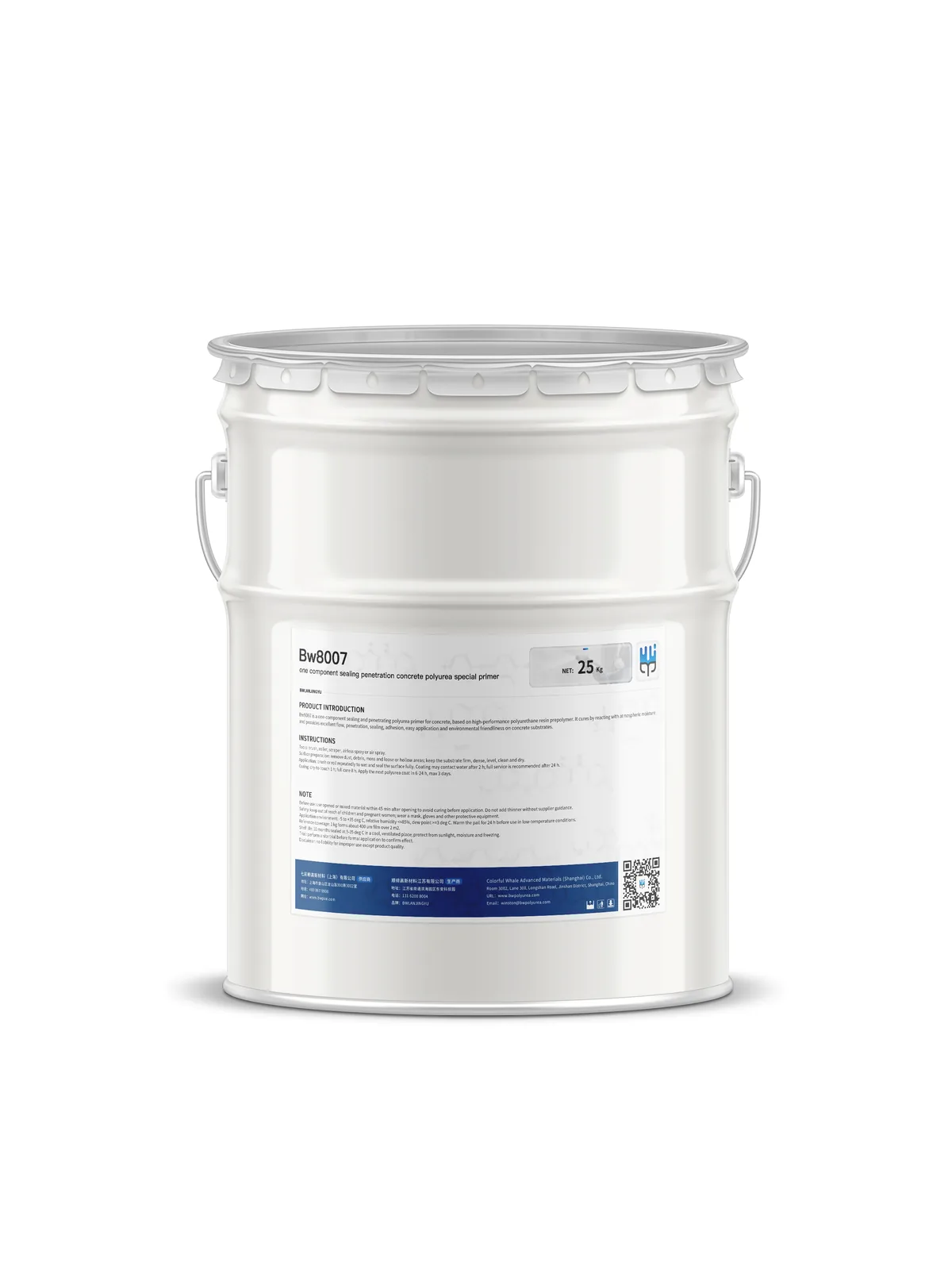
BW8007 adhesion interface coat application over prepared old tile surface before BW8032 surface overlay
03

BW8007 Adhesion Interface Coat

Apply BW8007 as the adhesion interface coat to improve bonding between the prepared old tile surface and the following BW8032 overlay coat. This step helps reduce peeling risk over dense tile surfaces and supports a more stable overlay connection.

Reference: BW8007 product data lists about 0.08 kg/m2 at 40 um, with recommended DFT of 20-40 um. Final consumption depends on tile absorption, surface texture and application method. BW8007 official product packaging for old tile adhesion interface coat Product usedView BW8007 ->
04

BW8032 Polyaspartic Surface Overlay Protection

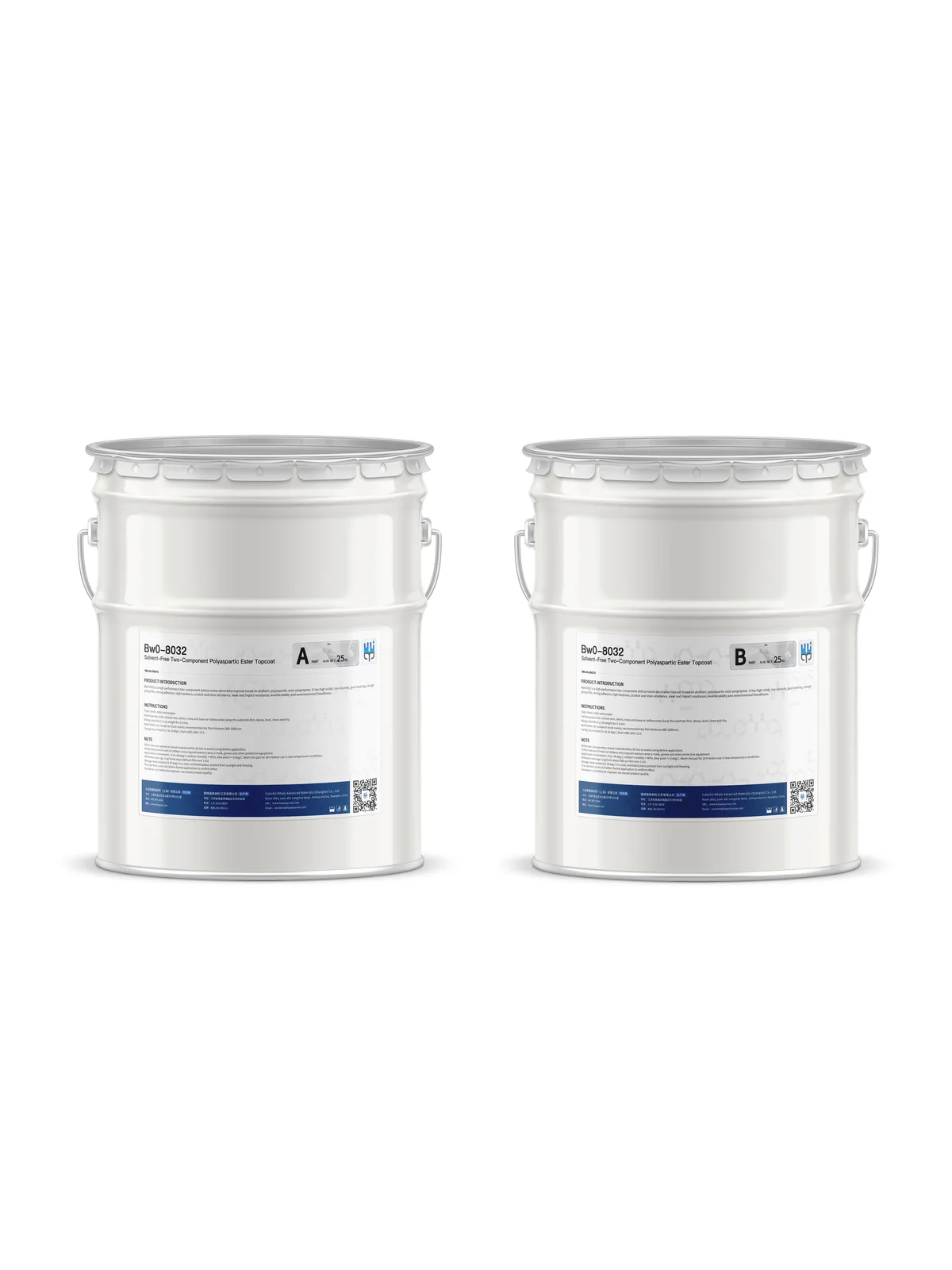
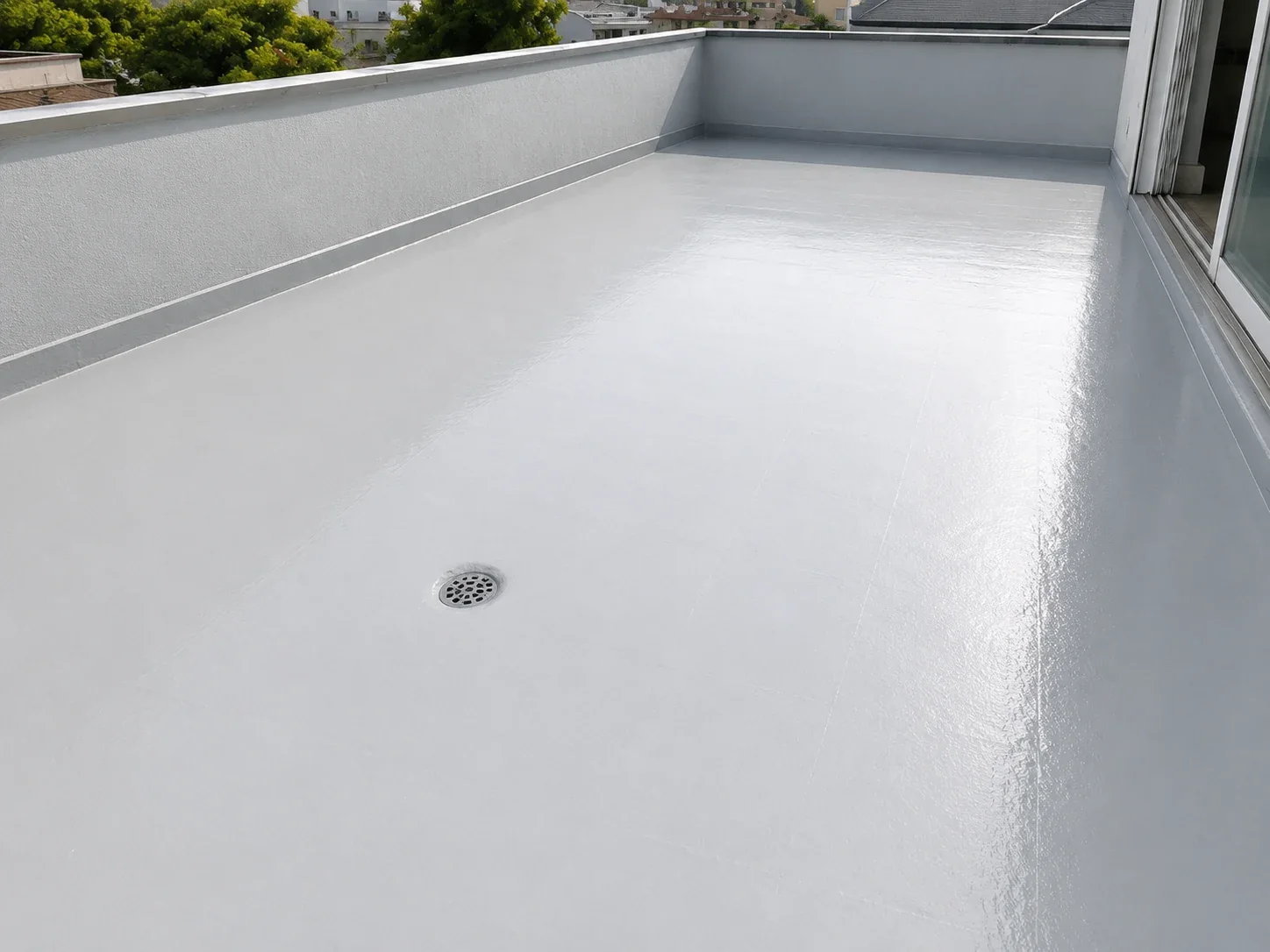
Apply BW8032 to form the exposed waterproofing, protection and decorative overlay surface over the prepared old tile system. This step helps reduce exposed surface wear, water contact, staining and weak surface finish issues after renovation.

Reference: about 1.2 mm / about 1.80 kg/m2 for BW8032 surface overlay protection. Final consumption depends on tile absorption, surface texture, color requirement, application method and project specification. BW8032 official product packaging for polyaspartic surface overlay protection Product usedView BW8032 ->
Finished BW8032 polyaspartic surface overlay protection for old tile waterproofing renovation system

Technical data center

Technical Data Center

Key planning checks for BW6-9527 quartz-sand joint filling, BW8007 adhesion interface coat and BW8032 surface overlay protection in old tile renovation projects.

BW6-9527 + Quartz Sand Joint Filling / Repair

ItemTest standard / referenceResult
Product role System use Grooved tile joint filling, gap treatment and local repair before overlay work
Product data coverage Product data About 0.7 kg/m2 at 500 um
Recommended DFT Product data 500-1000 um
Adhesion Product data >=3.0 MPa, substrate broken
Solid content Product data >=98%
Impact resistance Product data 50 kg.cm
Quartz sand use System planning Blend with quartz sand according to joint width, groove depth and repair scope
Final consumption Project condition Project-specific, depending on groove geometry, sand ratio and repair scope

BW8007 Adhesion Interface Coat

ItemTest standard / referenceResult
Product role System use Adhesion interface between prepared old tile surface and BW8032 overlay coat
Product data coverage Product data About 0.08 kg/m2 at 40 um
Recommended DFT Product data 20-40 um
Adhesion data Product data Dry concrete surface adhesive strength: 2.9 by ASTM D-3359
Application method Product data Brush, roller, airless spray or air spray
Recoating interval Product data 3-24 h
Bonding support System use Helps improve adhesion over dense old tile and prepared mineral surfaces
Final consumption Project condition Depends on tile absorption, surface texture, application method and project requirements

BW8032 Surface Overlay Protection

ItemTest standard / referenceResult
Product role System use Exposed surface overlay waterproofing and protection layer
System overlay thickness System planning About 1.2 mm
Planning consumption Product data calculation About 1.80 kg/m2 at 1.2 mm, calculated from 0.15 kg/m2 at 100 um DFT
Tensile strength Product data 17 MPa
Elongation rate Product data 368%
Abrasion resistance Product data 5 mg
Impact resistance Product data 50 kg.cm
Weathering resistance Product data Accelerated aging 2000 h, loss of light < 1, chalking < 1
Waterproofing check Product data 48 h, no bubbles, no wrinkling, no color-changing, no peeling
Service life reference System planning Designed to support up to 20 years under proper substrate preparation, application and maintenance conditions

Technical values below are conservative planning references from existing product pages or system use. Final material selection, film thickness, consumption, color and application conditions should be confirmed against the latest technical data sheet and project sample area.

Quality control

Application & Quality Control

Quality control should focus on tile-surface readiness, joint filling stability, BW8007 adhesion coverage and BW8032 overlay continuity before handover.

01

Tile Surface Readiness

Confirm the existing tile surface before product application starts.

  • Loose tile and hollow-area review
  • Dust, oil and contamination removal
  • Joint opening and cleaning
  • Dry and compact prepared surface
02

Joint Filling and Adhesion Interface

Control the transition from joint repair to interface bonding.

  • Stable BW6-9527 quartz-sand filling
  • No untreated gaps or weak repairs
  • BW8007 coverage over prepared tile
  • Recoating window checked before BW8032
03

Surface Overlay Protection

Review the exposed BW8032 overlay before handover.

  • Continuous surface coverage
  • Color and finish consistency
  • No pinholes, peeling or weak edges
  • Detail and edge continuity
Inspection focus
  • Tile joints and gaps
  • Local repair zones
  • Prepared dense tile surface
  • Adhesion interface coverage
  • Overlay surface continuity
  • Color and finish review

Suitable project conditions

Suitable Old Tile Overlay Conditions

Use this section to check whether the project fits a BW6-9527 + BW8007 + BW8032 old tile overlay renovation system before final specification.

  1. 01

    Old Tile Surfaces for Overlay Renovation

    Existing tile surfaces can be reviewed when the tile layer is stable enough for cleaning, joint opening, repair, adhesion interface and overlay protection.

    Check before specification: tile stability / cleaning / adhesion

  2. 02

    Open Joints, Gaps and Local Weak Areas

    Projects with visible joints, gaps or small repaired areas can use BW6-9527 blended with quartz sand for joint filling and local repair before overlay work.

    Check before specification: joint width / groove depth / repair scope

  3. 03

    Dense Ceramic Tile Bonding Risk

    Dense old tile needs adhesion-interface review before the surface overlay coat is applied.

    Check before specification: surface profile / dryness / compatibility

  4. 04

    Exposed Decorative Protection Need

    BW8032 can be reviewed where the old tile face needs a continuous exposed protective finish with waterproofing and decorative renewal goals.

    Check before specification: color / finish / service exposure

Do not count old tile surface cleaning or joint grooving as product coating layers. The product build-up starts from BW6-9527 quartz-sand joint filling, then BW8007 adhesion interface and BW8032 surface overlay protection. The system should not be applied directly over unstable tile areas.

Before you request a quote

Before You Request a Quote

Share the old tile surface condition and renovation target so the BW6-9527 + BW8007 + BW8032 system can be reviewed before material planning.

Prepare the tile-surface basics first.

A useful old tile overlay quotation starts with tile stability, joint condition, repair scope, selected finish and project exposure, not only total area.

Photos of tile joints, hollow areas, gaps, edge details, contamination, previous repairs and target finish can help review the build-up faster.

  • Tile area
  • Tile stability
  • Joint width and groove depth
  • Gaps and local repair scope
  • Surface contamination
  • Moisture condition
  • Required color or finish
  • Expected service exposure
  • Application method
  • Project location
  • Construction timeline
  • Required documents

After these details are ready, use the inquiry form below to request an old tile overlay system review.

FAQ

FAQ

Common questions about using BW6-9527, BW8007 and BW8032 for old tile overlay renovation.

What is this old tile overlay system designed for?

It is designed for old tile surface renovation where the project needs joint treatment, adhesion over dense tile and an exposed polyaspartic overlay surface without removing the entire tile layer.

Is joint grooving counted as a coating layer?

No. Joint grooving is substrate preparation. The product build-up starts from BW6-9527 blended with quartz sand for joint filling and local repair.

Why is BW6-9527 blended with quartz sand?

BW6-9527 blended with quartz sand is used to fill grooved tile joints, gaps and local repair areas before the overlay system is applied.

What does BW8007 do in this system?

BW8007 is the adhesion interface coat. It helps improve bonding between the prepared old tile surface and the following BW8032 overlay coat.

What role does BW8032 play?

BW8032 forms the exposed overlay surface for waterproofing, surface protection and decorative renewal over the prepared tile surface.

Does this system remove the entire old tile layer?

No. The page is focused on overlay renovation. The old tile surface must still be checked for stability, cleanliness and repair needs before coating.

Can exact consumption be fixed before seeing the tile surface?

No. Planning consumption depends on joint width, groove depth, tile absorption, surface texture, color, application method and project requirements.

What information helps before requesting a quote?

Tile area, tile stability, joint width, groove depth, local repair scope, moisture condition, target color, service exposure, application method, location and timeline are useful for review.