
Project case
Architectural Steel Structure Anti-Corrosion Coating Case
An architectural steel structure coating case using BW8008 metal primer and BW0-8028 exposed anti-corrosion protective topcoat for atmospheric corrosion protection, weather resistance and visible steel frame surface durability.
- Project Type
- Architectural steel structure anti-corrosion coating
- Application Area
- Large architectural steel frame, façade support structure, curved steel ribs and exposed building steel components
- Main Substrates
- Prepared steel surfaces, curved steel members, welded joints, connection plates, edges, bolt areas and local steel details
- Service Environment
- Outdoor urban exposure, rainwater, humidity, sunlight, temperature change, air pollution, dust and long-term atmospheric corrosion conditions
- Coating Approach
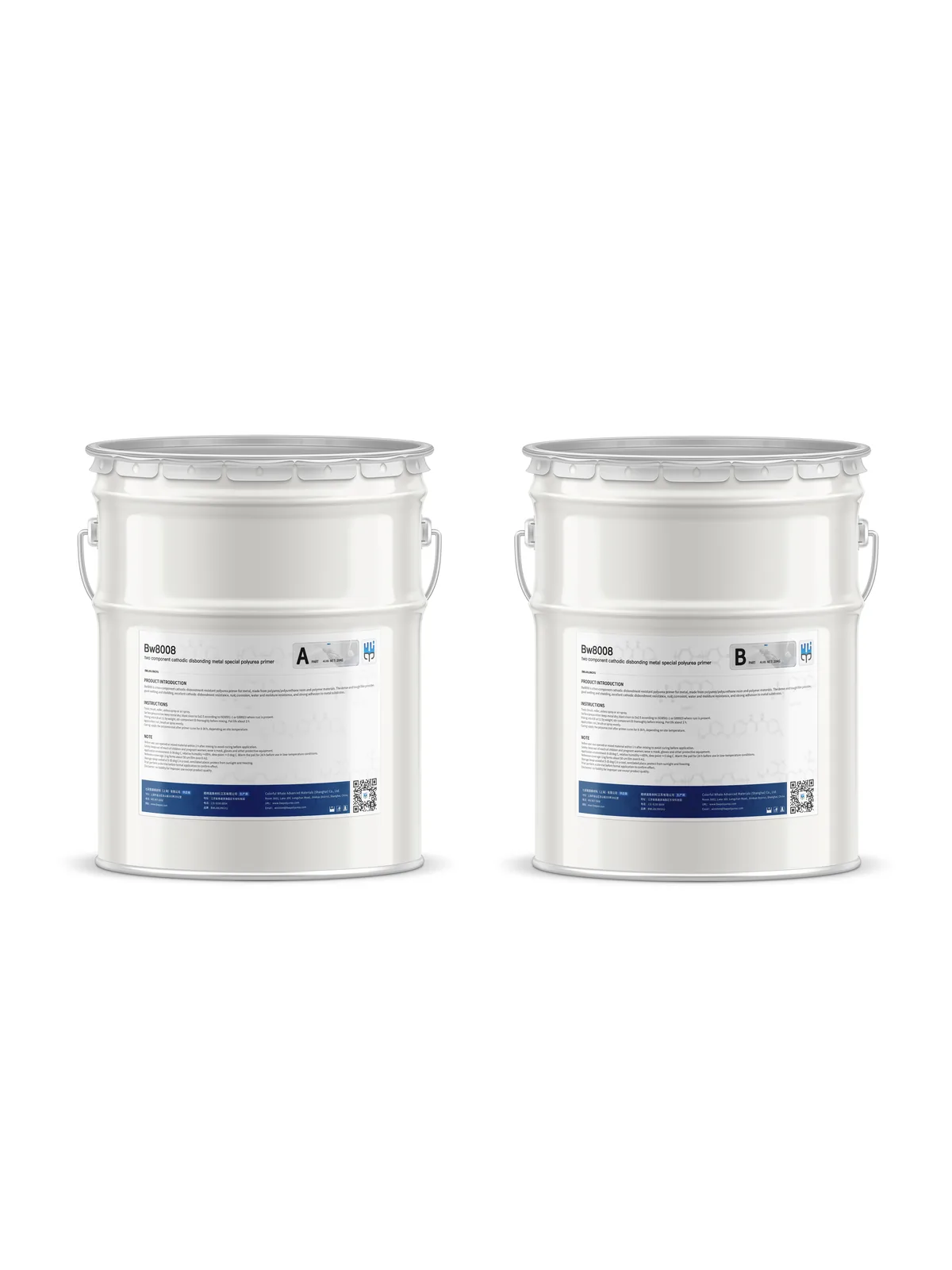
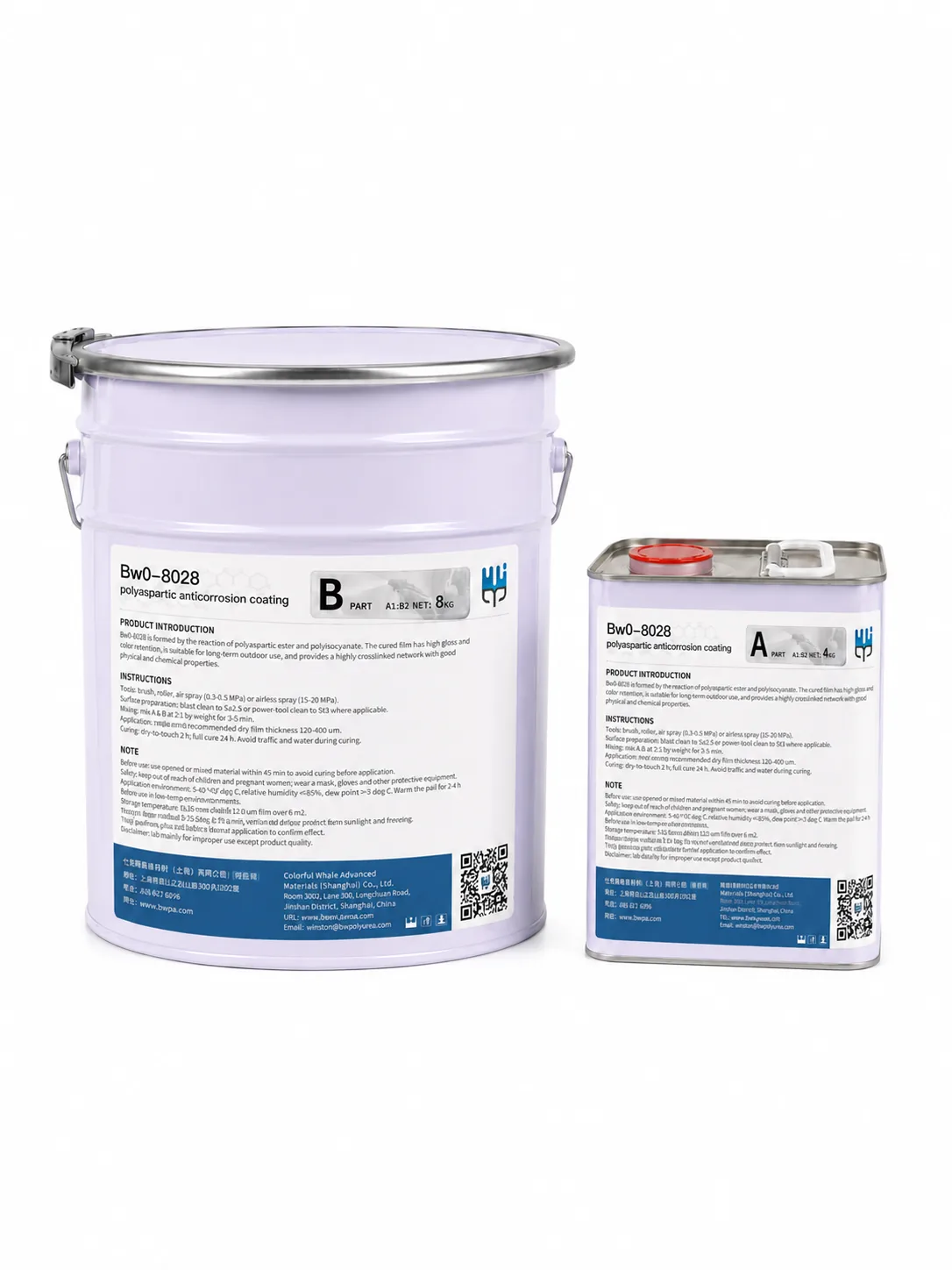
- BW8008 metal primer + BW0-8028 exposed anti-corrosion protective topcoat
- Main Functions
- Atmospheric anti-corrosion protection, metal surface protection, weather resistance, exposed coating durability and visible architectural steel structure protection
Project information is summarized for application reference. Some project details are not disclosed due to confidentiality requirements.

Why This Coating Route Was Used for Architectural Steel Structure Anti-Corrosion Protection
Architectural steel structures are different from ordinary flat steel panels or simple industrial equipment surfaces. In this type of project, the steel frame is part of the visible building envelope and structural support system. It includes curved steel members, exposed ribs, welded joints, edge details, connection plates, fasteners, high-level installation areas and many narrow or hard-to-access positions. The coating system therefore needs to support corrosion protection, outdoor weather resistance, surface continuity and long-term appearance at the same time.
One of the main pain points of exposed architectural steel structures is atmospheric corrosion. Steel members may be exposed to rainwater, humidity, condensation, sunlight, temperature change, urban dust, air pollution and repeated wet-dry cycles. If the coating system is weak, damaged or poorly bonded, corrosion can begin from local exposed areas and gradually spread under the coating film. For a large architectural steel frame, this can create both maintenance difficulty and visible surface defects.
Another challenge is that corrosion does not always start from large flat surfaces. In real steel structures, vulnerable areas often include welded seams, sharp edges, bolt holes, corners, overlapping plates, support connections and steel-to-concrete transition areas. These locations may have thinner coating coverage, higher stress concentration or easier moisture retention. If these details are not properly prepared and protected, they can become the first locations where rust, coating peeling or local failure appears.
The geometry of this project also increases the difficulty of coating work. The building uses curved and repetitive steel members, with many window-frame connections, structural ribs and high-level installation areas. A coating route for this kind of steel structure must be able to follow the shape of the frame and maintain a clean, continuous finish across complex details. It also needs to be practical for on-site construction, inspection and later maintenance.
In this project, BW8008 was used as the metal primer layer. The role of BW8008 is to support adhesion on prepared steel surfaces before the exposed anti-corrosion protective topcoat is applied. For architectural steel structures, this primer interface is important because the final coating system must remain stable under outdoor exposure, temperature variation, moisture, structural movement and long-term atmospheric corrosion conditions.
BW8008 is not used as the final exposed surface in this route. Its main value is at the metal substrate interface. It helps prepare the steel surface for the following BW0-8028 protective topcoat and supports the bonding stability of the coating system. This is especially important for steel frame areas with welds, edges, connection plates, bolt areas and complex details, where coating failure may start if the primer interface is weak.
After the BW8008 primer layer, BW0-8028 was used as the exposed anti-corrosion protective topcoat. This layer directly faces the outdoor environment, so it needs to provide more than color. Its function is to support atmospheric anti-corrosion protection, weather resistance, surface durability and a cleaner exterior finish for the steel structure. For visible architectural steel frames, the final coating surface also needs to maintain a consistent appearance across large curved members and repeated structural details.
The advantage of this coating route is that the two layers have clear roles. BW8008 supports the metal-primer interface and adhesion on prepared steel surfaces, while BW0-8028 provides the exposed anti-corrosion and weather-resistant protective finish. This makes the route suitable for exterior architectural steel structures where the coating system must combine corrosion protection, outdoor durability and visual consistency.
For this type of building steel frame, surface preparation remains critical. Existing rust, mill scale, dust, oil contamination, welding residue and unstable old coating should be removed or treated before primer application. Edges, welds, bolts, connection plates and hard-to-reach details should be checked carefully because these locations often determine whether the coating system can perform reliably in long-term outdoor exposure.
This route is not designed as an internal tank lining or heavy immersion coating system. It is an exposed steel structure anti-corrosion route for architectural frames, façade support members, curved steel ribs, visible steel components and similar outdoor steel structures. The main requirement is to protect the steel surface from atmospheric corrosion while maintaining a clean and durable exterior finish.
The key value of this case is that the coating route matches the needs of a visible architectural steel structure. The project requires a surface that can resist outdoor weathering, reduce corrosion risk, cover complex steel geometry and remain suitable for exposed building conditions. By combining BW8008 metal primer with BW0-8028 protective topcoat, the system provides a practical anti-corrosion coating route for steel structures used in urban architectural projects.
For similar architectural steel frames, façade support structures, curved steel roofs, public building structures or exterior steel components, the final coating route should still be reviewed according to steel surface condition, exposure environment, surface preparation level, accessibility, detail complexity and project maintenance requirements. This case provides an application reference for using BW8008 and BW0-8028 to improve atmospheric anti-corrosion protection and surface durability on architectural steel structures.
Related Products Used

Project Photo Gallery
Project photos show architectural steel structure coating areas, curved steel frame details, façade support members, high-level steel structure work and finished anti-corrosion protective coating references.
