BW PolyureaProtective CoatingsContact

Polyaspartic Wall Waterproofing
and Weather Protection System

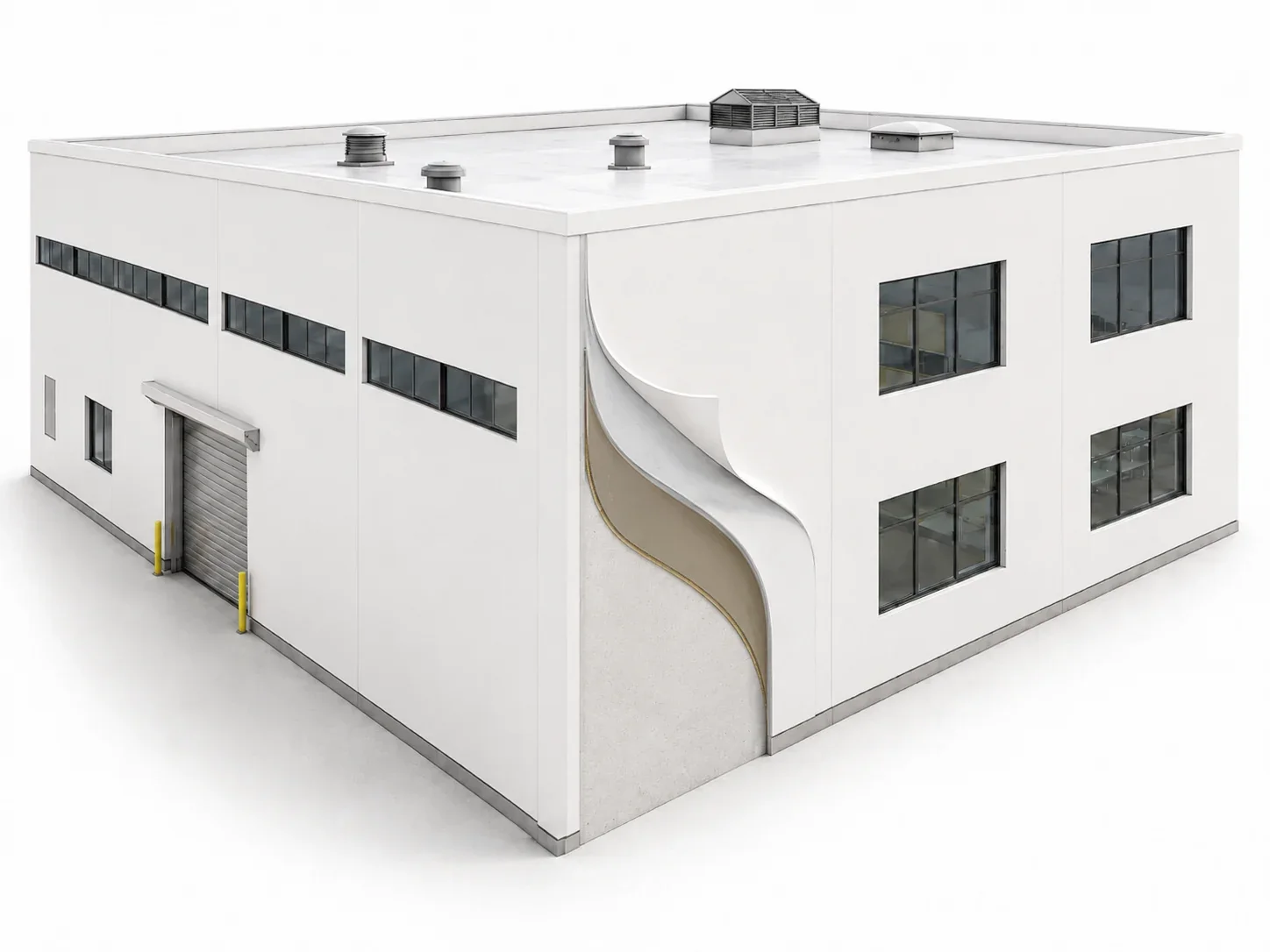
A polyaspartic wall waterproofing and weather protection system for prepared concrete, plastered and mineral exterior wall surfaces exposed to wind-driven rain, UV, temperature change and outdoor weathering. It helps seal porous wall substrates, build continuous protective coats and improve surface durability, color stability and long-term facade maintenance.

Polyaspartic wall waterproofing and weather protection system overview with prepared wall, BW8009 primer and two BW0-8029 coats

Wall Waterproofing and Weather Protection Build-Up

Concrete / mineral wall primer sealing + first polyaspartic wall protection coat + exposed weather-resistant topcoat

  1. 01
    BW8009 Concrete Primer

    Wall substrate sealing and adhesion support for prepared concrete, plastered or mineral surfaces

  2. 02
    BW0-8029 First Polyaspartic Protective Coat

    First continuous polyaspartic wall protection coat over the primed wall surface

  3. 03
    BW0-8029 Exposed Weather-Resistant Topcoat

    Exposed polyaspartic topcoat for UV, rain, color and weather protection

What Each Layer Solves

The system separates wall substrate sealing, continuous wall protection and exposed weather resistance, helping reduce porous-substrate defects, wind-driven rain impact, color aging and long-term exterior wall maintenance risks.

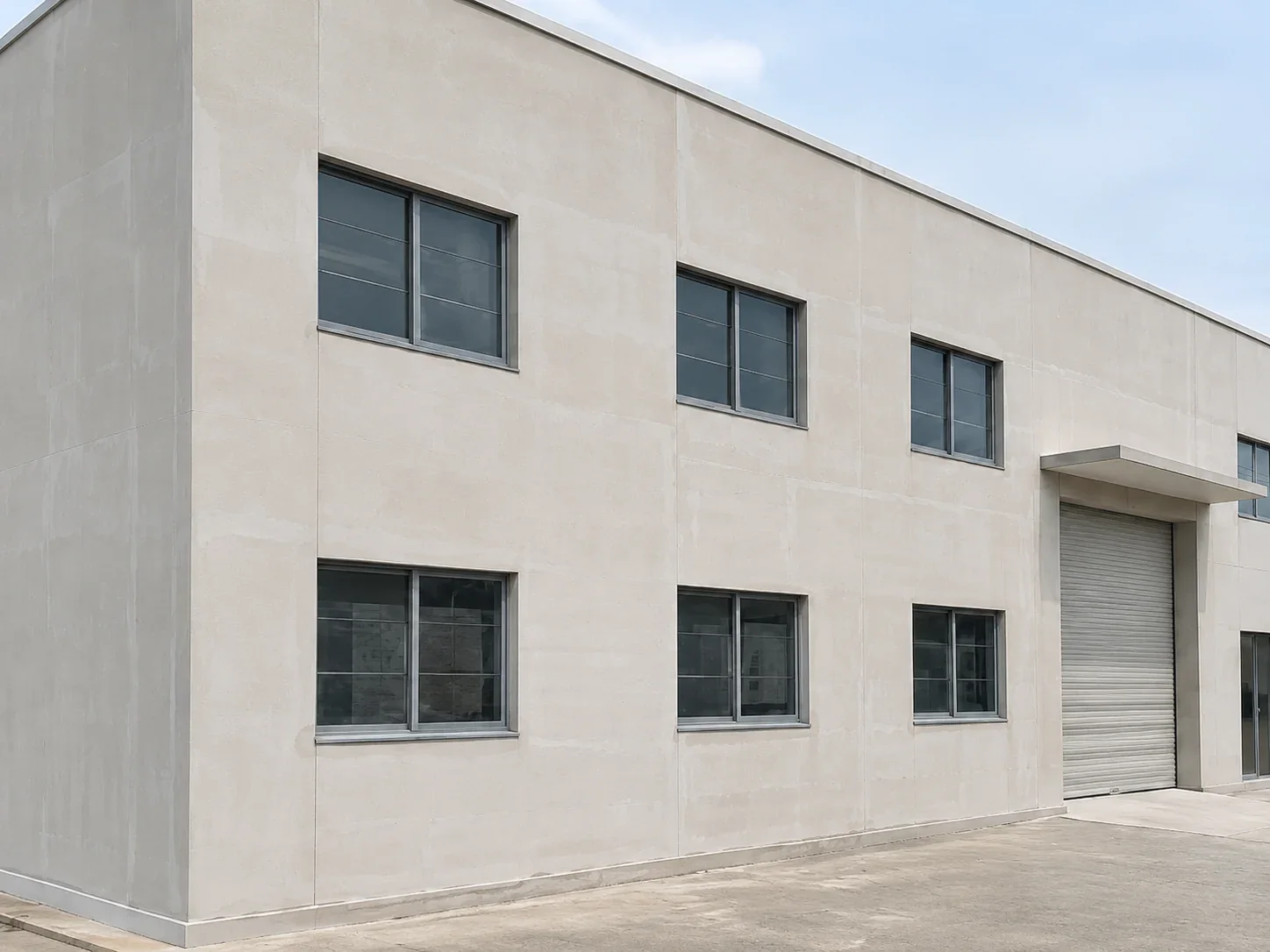
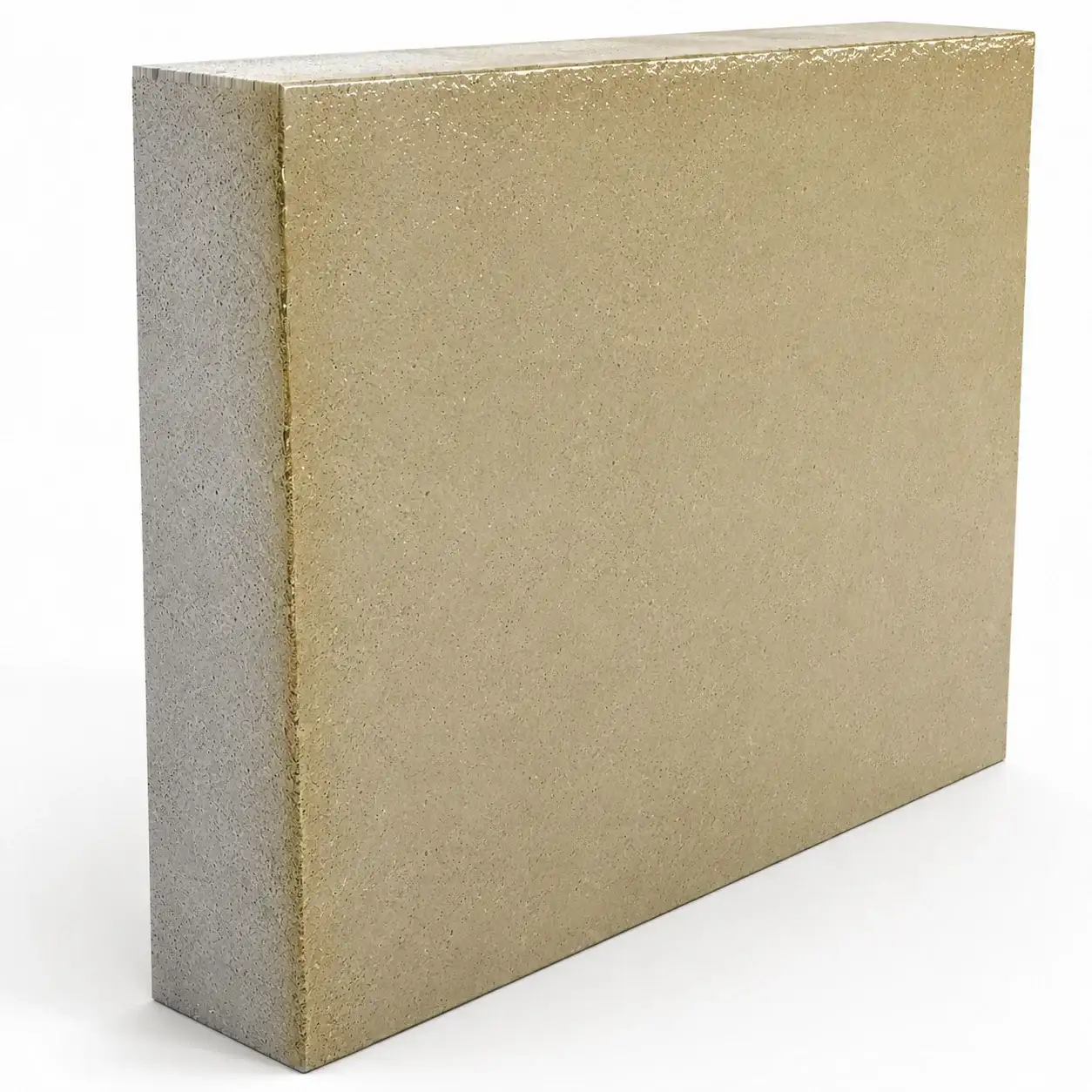
Prepared mineral wall surface showing pores and absorption before BW8009 primer sealing

BW8009 improves the mineral wall bonding base.

BW8009 seals prepared concrete, plastered or mineral wall surfaces, reduces uneven absorption and supports adhesion before BW0-8029 wall protection coats are applied. It helps create a more stable base on porous or dusty mineral wall substrates after proper surface preparation.
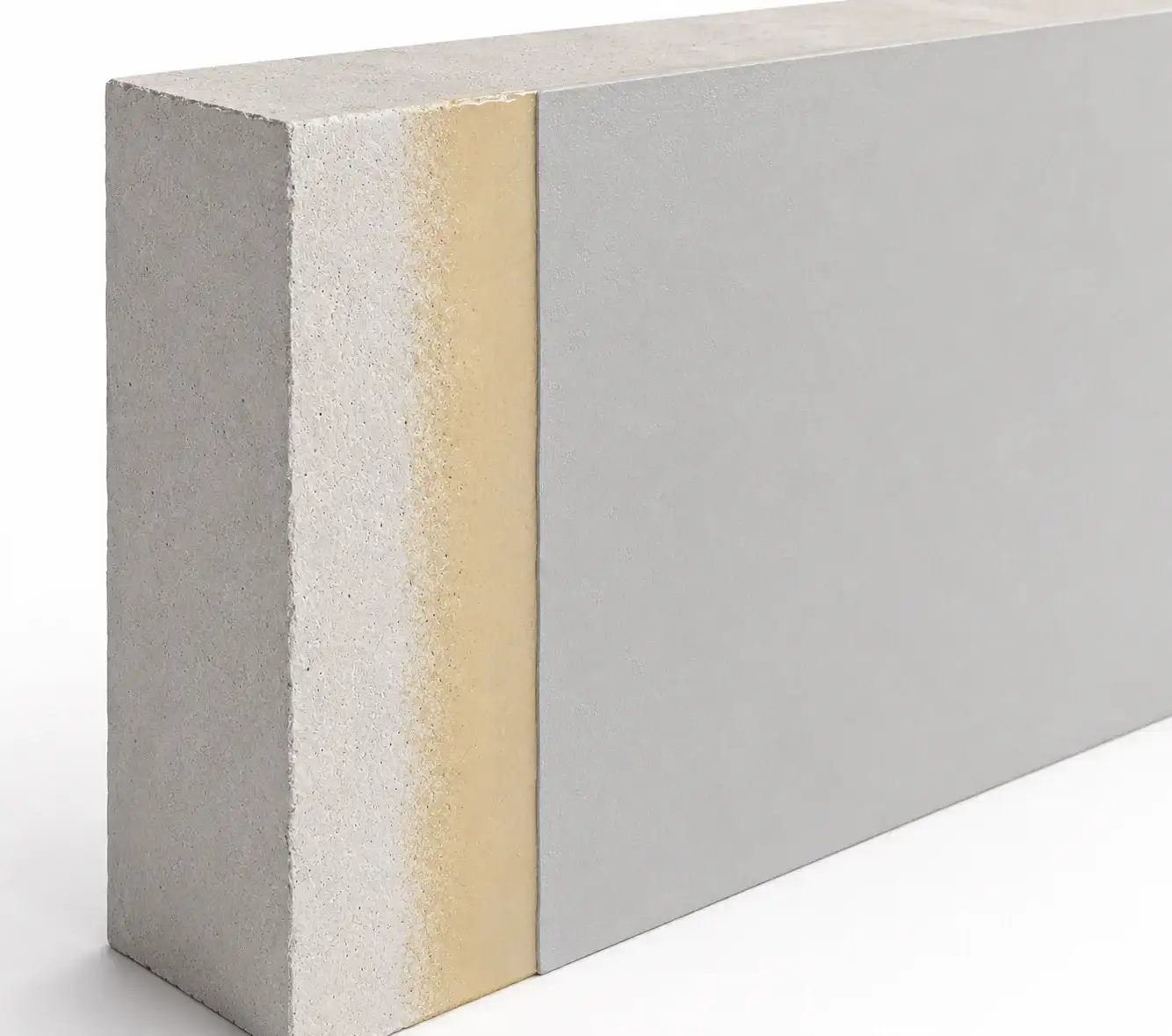
BW8009 primer sealer layer preparing the wall surface before BW0-8029 polyaspartic wall coats

BW0-8029 builds the first continuous wall protection coat.

The first BW0-8029 coat forms a continuous polyaspartic protective layer over the BW8009-primed wall surface. It helps improve wall surface continuity around minor surface defects, hairline crack areas, exterior corners, window frame edges, pipe penetrations and other detail zones after proper repair and preparation.

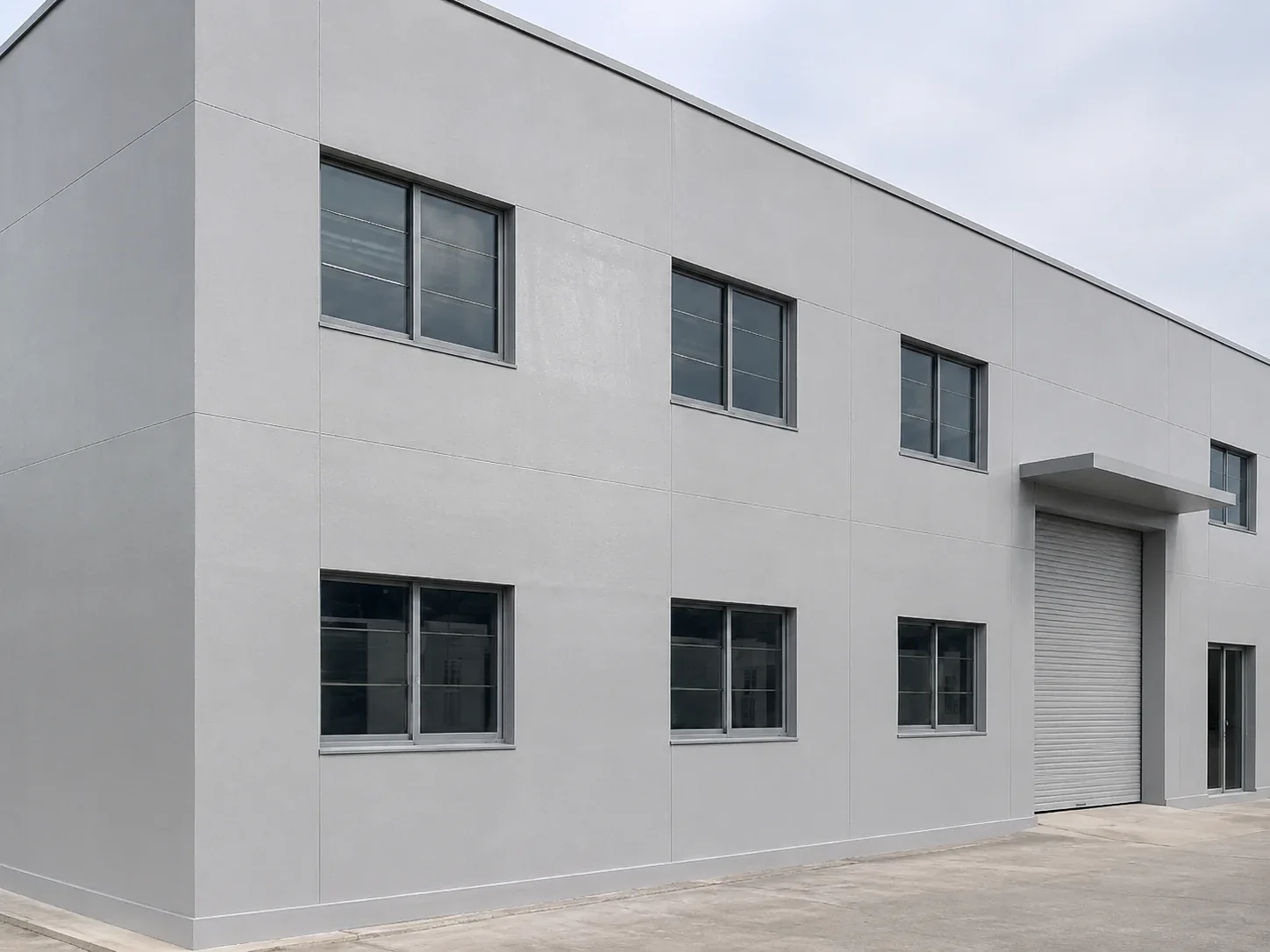
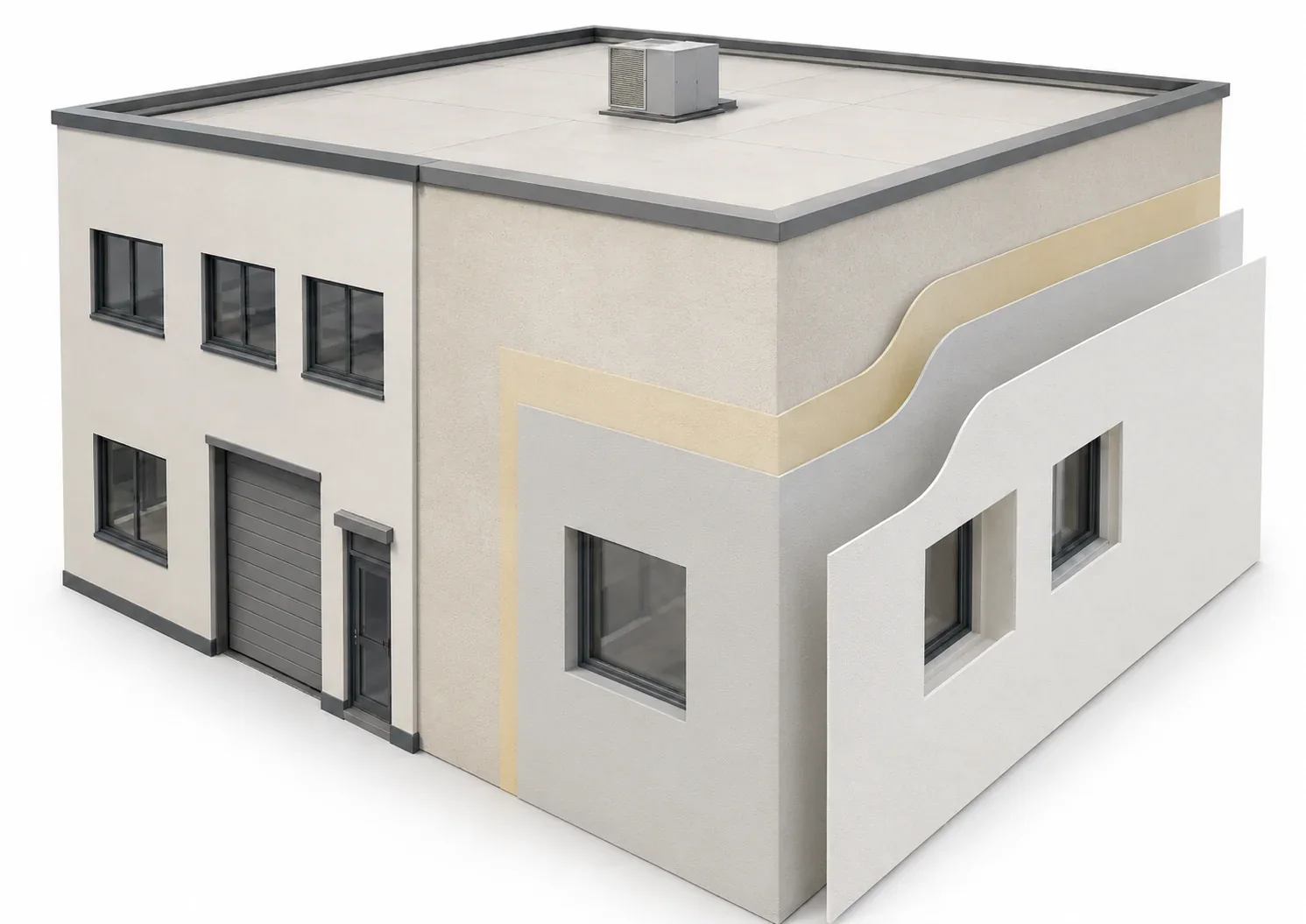
Exterior wall coating build-up showing BW8009 primer plus first and second BW0-8029 wall coats

BW0-8029 improves exposed weather resistance and surface durability.

The exposed BW0-8029 topcoat helps protect the wall surface against UV exposure, wind-driven rain, outdoor weathering, color fading, surface aging, dust retention and long-term facade maintenance concerns.

How This System Helps Reduce Common Wall Problems

Exterior wall problems often start from small weak points: porous or powdering mineral surfaces, wind-driven rain, hairline cracks, exterior corners, window frame edges, pipe penetrations, wall-to-roof transitions, weak plaster layers, chalking old coating, peeling risk, color aging, water staining and dust or pollution exposure. The BW8009 + BW0-8029 wall system helps reduce these risks through a controlled route from wall preparation to primer sealing, protective coating build-up and exposed weather-resistant finish.

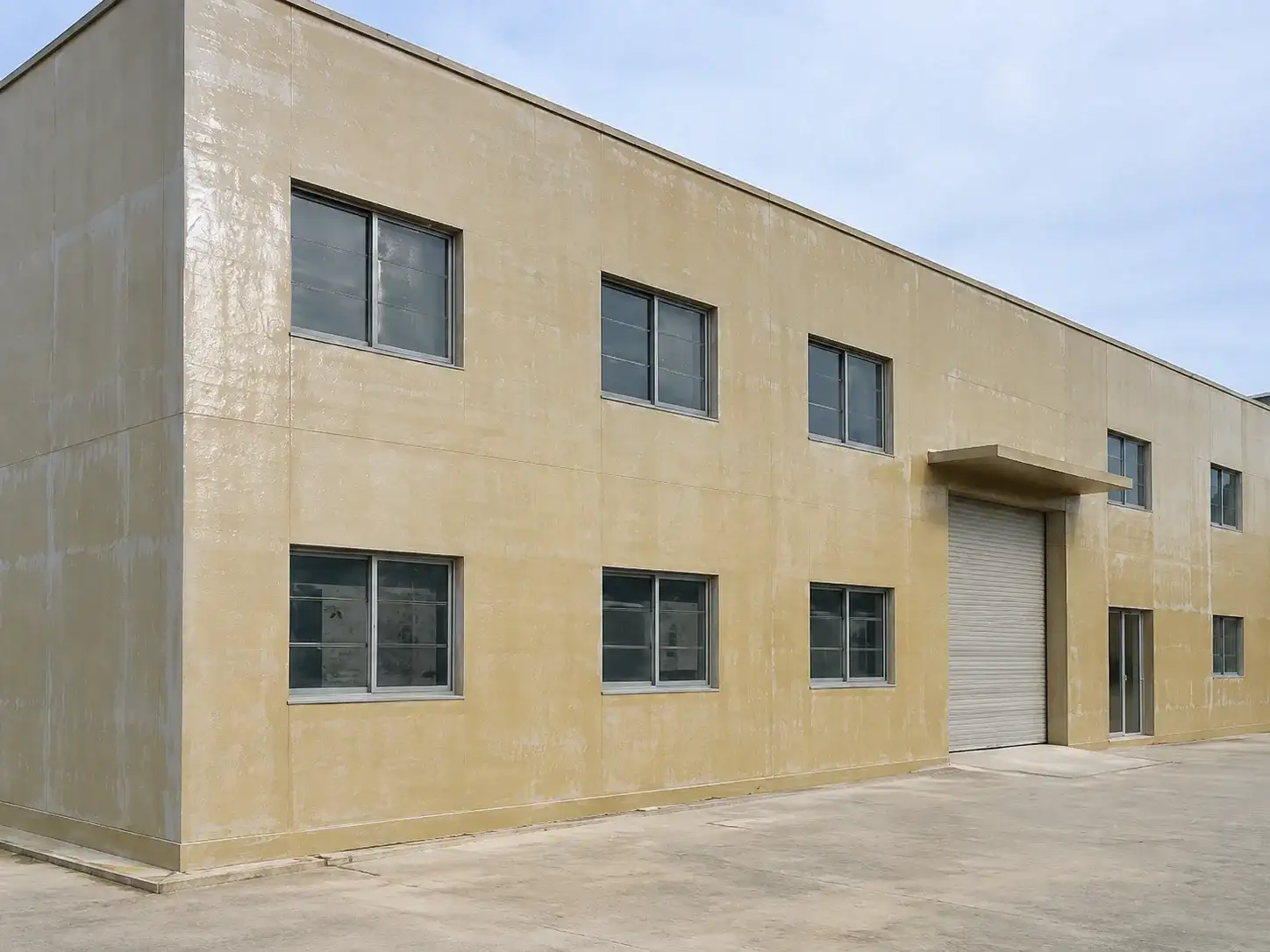
Exterior wall before BW8009 primer and BW0-8029 wall protection coats

01 Prepare and Review the Wall Substrate

Wall protection starts with a solid, clean, dry and stable substrate. Remove loose plaster, floating dust, oil, chalking layers, weak old coating and contaminated areas, then review wall strength, surface dryness, old coating stability, porosity, texture and adhesion readiness before primer application.

02 Treat Cracks and Wall Details

Check hairline cracks, exterior corners, window frame edges, pipe penetrations, wall-to-roof transitions, facade junctions and other detail areas before coating. Active structural cracks, wide cracks, moving joints, hollow wall areas and deep leakage paths should be repaired or treated with a separate detail design before the wall protection coats are applied.

Exterior wall detail areas checked before BW8009 primer and BW0-8029 wall protection coats
Exterior wall after BW8009 primer sealing or first coating preparation stage

03 Apply BW8009 as Wall Primer

Apply BW8009 to seal the prepared concrete, plastered or mineral wall surface and support adhesion for the following BW0-8029 coats. Primer coverage, absorption uniformity and recoat condition should be controlled so the wall protection coats are applied over a stable prepared surface.

04 Build the BW0-8029 Wall Protection Coats

Apply BW0-8029 by brush, roller or compatible spray method to build the continuous wall protection coating over the primed surface. Multiple coats may be required depending on wall texture, exposure level, color requirement and project specification.

First BW0-8029 polyaspartic wall coat building continuous wall protection
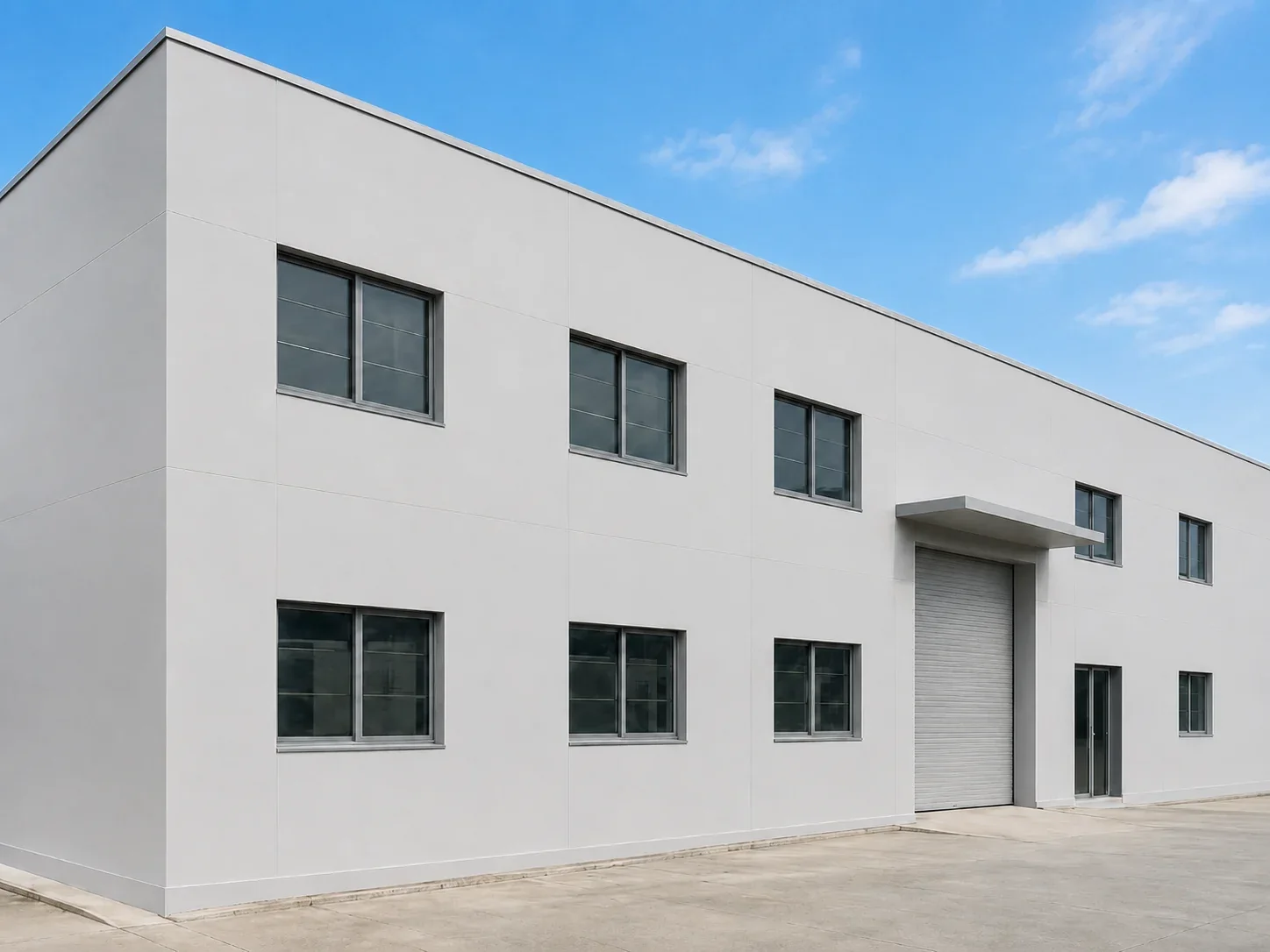
Finished exterior wall after second BW0-8029 polyaspartic weather protection coat

05 Finish with BW0-8029 Exposed Weather-Resistant Topcoat

Apply the final BW0-8029 exposed topcoat to improve outdoor weather resistance, surface durability, color protection and maintainability. The finished surface should be reviewed for continuity, appearance, missed areas and detail coverage before handover.

System Key Data

System-relevant values for prepared exterior wall protection: substrate adhesion, rain resistance, UV aging resistance and surface durability.

BW8009 Concrete Penetrating Primer

BW8009 Concrete Penetrating Primer
ItemTest standard / referenceResult
Density g/cm³ GB/T 6750-2007 1.02
Solid content Product Information >60% / >60%
Viscosity (cps) @ 25°C Product Information Part A 220 / Part B 260
Concrete / mineral adhesion ASTM D-3359 3.5 MPa or substrate broken
Temperature variation resistance GB/9278-1988 -40 to +180°C, 24 h: normal
Salt resistance GB / T 9274-1988 reference 50 g/L, 30 d: no corrosion, blistering or peeling
Alkali resistance GB / T 9274-1988 reference 50% NaOH, 30 d: no corrosion, blistering or peeling

BW0-8029 Elastic Polyaspartic Topcoat

BW0-8029 Elastic Polyaspartic Topcoat
ItemTest standard / referenceResult
Elongation ASTM D-412 200%
Tensile strength ASTM D-412 20 MPa
Abrasion resistance HG / T 3831-2006 5 mg
Accelerated aging GB / T 14522-1993, 1000 h Loss of light <1; chalking <1
Salt spray resistance Chemical Resistance 1500 h, no corrosion, blistering or peeling
Water resistance Chemical Resistance 48 h, no bubbles, wrinkles, color change or peeling

The above values are selected from the current product-detail Product Information, Physical Properties and Chemical Resistance tables. Final film thickness and suitability should be confirmed according to substrate condition, service exposure, detail design, project specification and the latest approved technical data sheet.

Quality Control Checklist

Before handover, key inspection should focus on wall substrate readiness, crack and detail treatment, BW8009 primer coverage, BW0-8029 coat continuity and final exposed surface consistency.

01

Wall Surface Readiness

Confirm the prepared concrete, plastered or mineral wall surface before primer application.

  • Solid and stable wall surface
  • Dry wall substrate
  • No powdering or floating dust
  • No oil contamination or weak areas
02

BW8009 Primer & Detail Check

Review primer sealing and detail readiness before BW0-8029 wall coats.

  • Continuous BW8009 coverage
  • Absorption uniformity
  • Window frame edges and pipe penetrations
  • Hairline cracks, corners and wall junctions checked
03

BW0-8029 Wall Coats & Final Handover

Check the BW0-8029 wall protection build-up before service.

  • Continuous protective film
  • Target total DFT review
  • Color and finish consistency
  • Final inspection records

Suitable Wall Conditions

Use these checks to judge whether the BW8009 + BW0-8029 wall protection system is suitable before final specification.

  • Prepared Mineral Wall Surfaces

    For concrete, plastered or mineral wall surfaces that can be cleaned, dried, repaired and prepared before primer application.

    Exterior Wall Weather Protection

    For exposed exterior walls where UV, temperature change, rain, color aging and long-term facade maintenance need surface protection.

  • Rain-Exposed Wall Areas

    For walls exposed to wind-driven rain, water staining or rain erosion after the substrate is confirmed sound, dry and clean.

    Absorptive or Porous Wall Surfaces

    For porous or absorptive mineral walls where BW8009 primer sealing is needed to reduce uneven absorption before BW0-8029 coats.

  • Wall Details and Facade Junctions

    For window frame edges, pipe penetrations, exterior corners, wall-to-roof transitions and facade junctions where detail continuity should be reviewed before coating.

Do not apply this system over wet, powdering, hollow, weak, contaminated or unstable wall surfaces. Confirm wall substrate condition, moisture, old coating adhesion, hairline cracks, detail areas, exposure level, target DFT, color requirement and inspection standard before ordering. Structural cracks, active cracks, moving joints, deep leakage paths or negative-side water pressure require separate repair or detail design.

FAQ

Common questions about using BW8009 and BW0-8029 coats for wall waterproofing support and exterior weather protection.

What is this polyaspartic wall waterproofing and weather protection system used for?

It is used for prepared concrete, plastered and mineral wall surfaces that need surface waterproofing support, wind-driven rain resistance, UV protection, color stability and exterior weather protection.

Which substrates can this wall system be used on?

It can be reviewed for suitable concrete, plastered or mineral wall substrates when the surface is solid, clean, dry, stable and free from powdering, hollow, weak or contaminated areas.

Why is BW8009 primer needed?

BW8009 helps seal porous mineral wall surfaces, reduce uneven absorption and support adhesion before the BW0-8029 polyaspartic wall protection coats are applied.

Can BW8009 be used as the main wall protection coat?

No. BW8009 is the primer and sealer layer in this system. The wall protection coats are built with BW0-8029.

What role does BW0-8029 play in this wall system?

BW0-8029 forms the polyaspartic wall protection coats, including the first protective coat and exposed weather-resistant topcoat. It supports rain resistance, surface protection, weather durability, color stability and maintainability.

How many BW0-8029 coats are needed?

The system uses multiple BW0-8029 coats to reach the required wall protection build-up. Final coat number and total DFT should be confirmed according to wall texture, porosity, exposure level, color requirement and project specification.

Can this system repair structural wall cracks?

No. Hairline cracks and local detail areas should be evaluated before coating, while active structural cracks, wide cracks, moving joints or deep leakage paths require dedicated repair or detail design before the wall coating system is applied.

Can this system stop deep wall leakage or negative-side water pressure?

No. This page focuses on exterior wall surface waterproofing support and weather protection. Deep leakage paths, negative-side hydrostatic pressure or structural water ingress should be reviewed and repaired separately.

Which wall details need special attention before coating?

Window frame edges, pipe penetrations, exterior corners, wall-to-roof transitions, facade junctions, hairline cracks, old coating transitions and weak plaster areas should be checked and treated according to project detail requirements.

Can this system be applied over old wall paint?

Old coating condition must be reviewed first. Loose, chalking, incompatible, peeling or weak old coating should be removed or treated before BW8009 and BW0-8029 are applied.

What is the recommended system thickness?

The system uses about 50 μm BW8009 primer reference and about 240 μm total BW0-8029 wall protection build-up through multiple applications. Final thickness should follow wall substrate condition, exposure, color requirement and project specification.

What is the expected service life of this wall coating system?

Service life depends on wall substrate condition, surface preparation, adhesion, coating thickness, detail treatment, exposure level, color selection and maintenance. When properly installed on suitable wall substrates and maintained according to project requirements, this system can support long-term wall waterproofing and weather protection performance.

What information is needed before requesting a quote?

Share wall area, substrate type, surface condition, old coating condition, moisture concern, cracks, window frame details, pipe penetrations, rain exposure, color requirement, finish target, project location and construction timeline.