
Project case
Aerospace Equipment Shell Polyurea Protection Case
An aerospace equipment shell protection case using BW8010 primer, polyurethane spray foam and approximately 3 mm BW3-9007 spray polyurea coating for insulation support, foam protection, impact resistance and external shell durability.
- Project Type
- Aerospace equipment shell protection
- Application Area
- Aerospace and satellite-related equipment shell, equipment housing and transport protection areas
- Main Substrates
- Prepared equipment shell surfaces, polyurethane spray foam layer, curved surfaces, edges and local equipment details
- Service Environment
- Handling, lifting, transportation, testing, outdoor exposure, temperature variation, impact, abrasion and equipment protection conditions
- Coating Approach
- BW8010 primer + polyurethane spray foam insulation / build layer + BW3-9007 spray polyurea protective coating, about 3 mm
- Main Functions
- Substrate bonding support, insulation layer protection, external shell durability, impact resistance, abrasion resistance and surface protection
Project information is summarized for application reference. Some project details are not disclosed due to confidentiality requirements.

Why This Coating Route Was Used for Aerospace Equipment Shell Protection
Aerospace and satellite-related equipment shells are very different from ordinary industrial tanks, roofs or floor surfaces. These structures often involve curved shells, equipment housings, external panels, fasteners, instrument areas, lifting points, transition zones and local details that need both functional protection and careful surface continuity. During manufacturing, handling, testing, transportation or outdoor exposure, the shell may face impact, vibration, abrasion, moisture, temperature change, sunlight and accidental surface damage.
For this type of application, the coating system cannot be planned only as a surface paint. The outer shell needs a route that can provide substrate bonding, insulation or cushioning support, and a strong external protective layer. The key requirement is to protect the equipment shell while keeping the coating route practical for curved surfaces, equipment details and complex geometry.
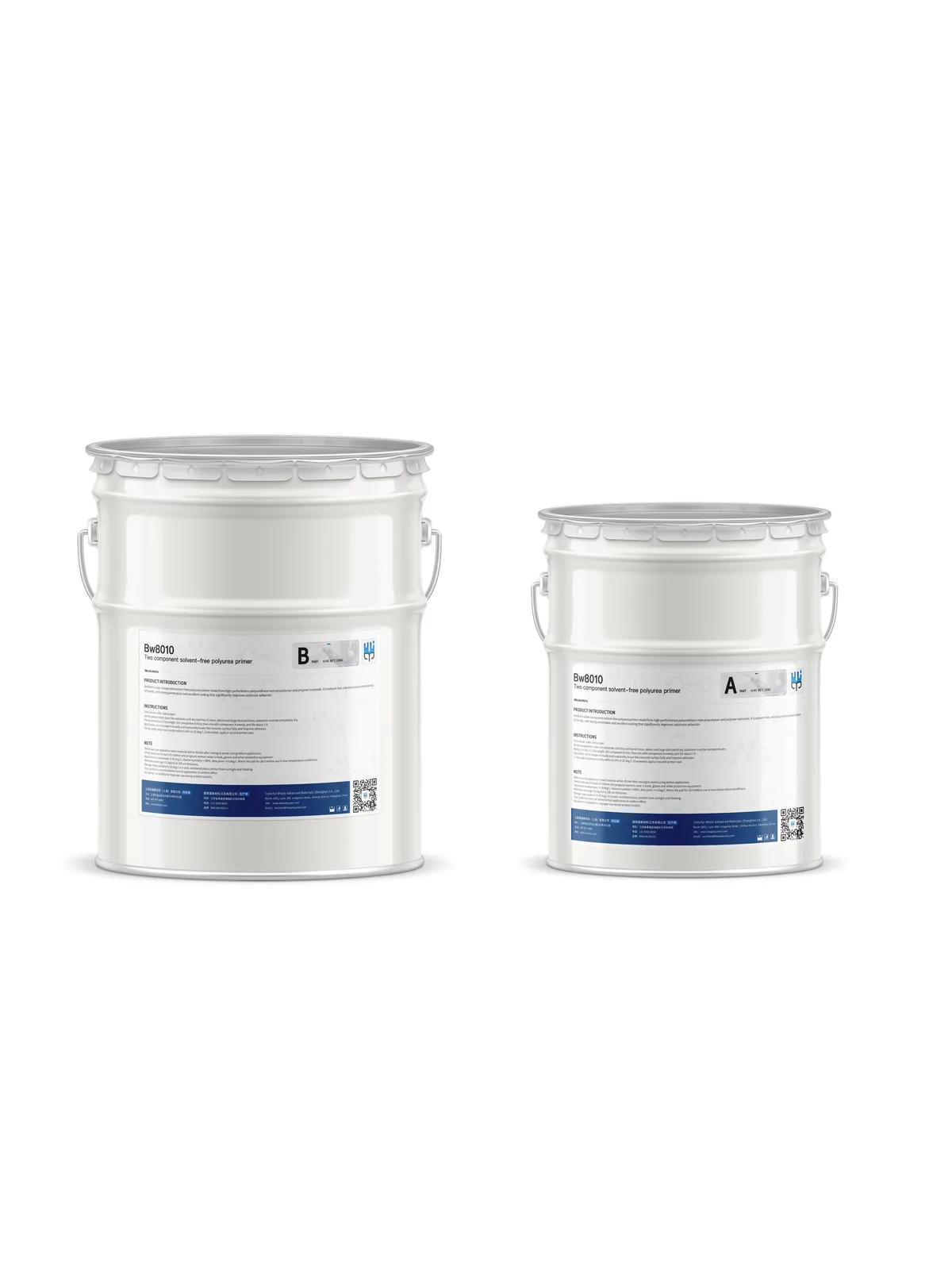
In this project, BW8010 was used as the primer layer. The role of BW8010 is to support substrate sealing and adhesion before the following insulation and protective layers are applied. Aerospace-related equipment shells may include metal surfaces, prepared structural surfaces, local details, edges, bolt areas and curved sections. A suitable primer route helps create a more stable bonding interface and improves the connection between the substrate and the following system layers.
After the primer layer, polyurethane spray foam was used as the insulation and build layer. In this route, the polyurethane spray foam helps provide thermal insulation support, shape adaptation and a lightweight intermediate layer over the equipment shell. This is important because many aerospace equipment structures require temperature-control support or protection from environmental change during handling, storage or testing conditions. Spray foam can also follow curved surfaces and irregular shell geometry more easily than rigid prefabricated insulation materials.
However, polyurethane spray foam should not be left as the final exposed protection layer in this kind of application. Foam surfaces can be vulnerable to mechanical damage, UV exposure, moisture influence, surface indentation and handling impact. If the foam is not protected, the insulation layer may be damaged during transportation, installation, maintenance or equipment movement. For this reason, a strong external coating layer is needed over the foam.
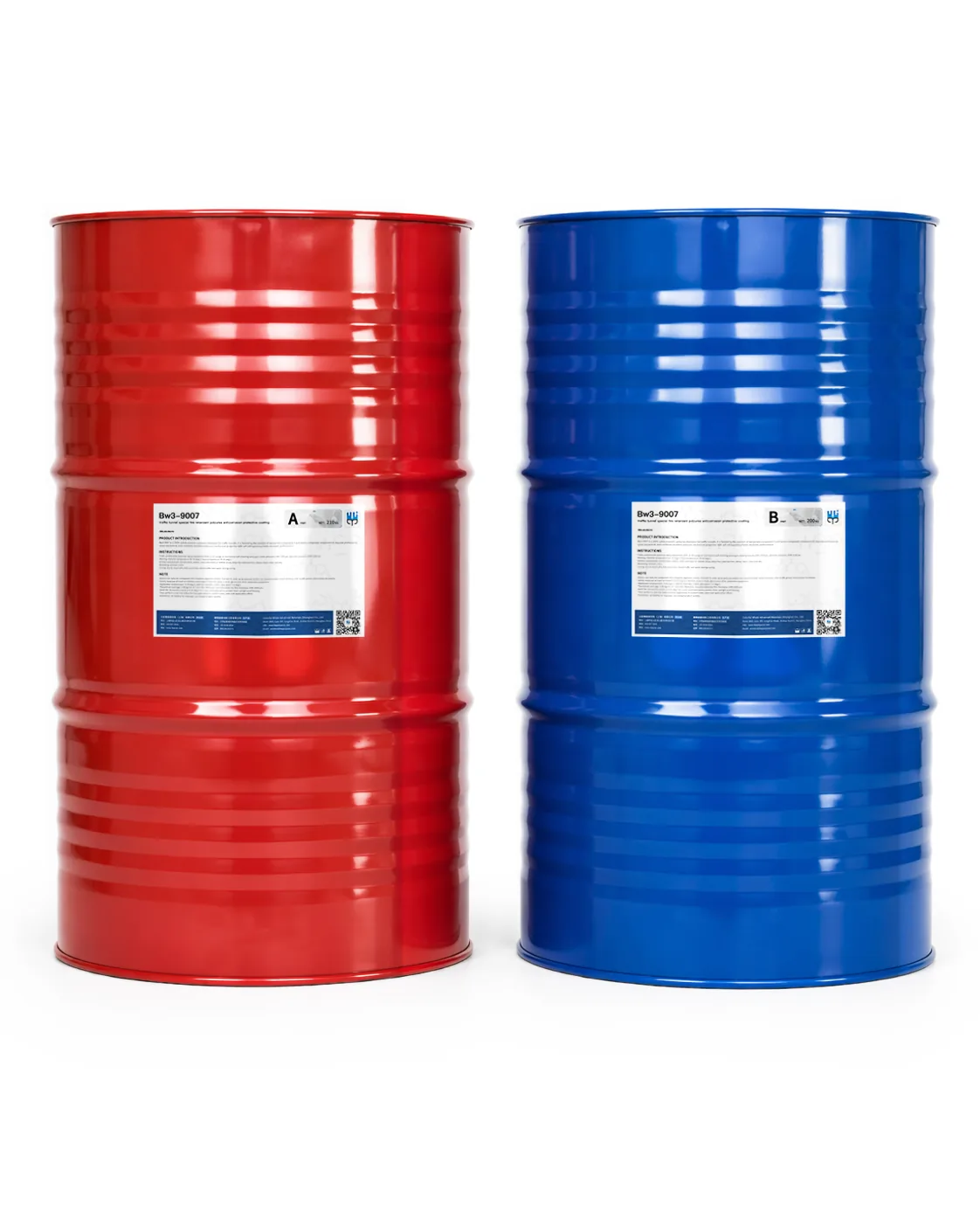
BW3-9007 was applied as the outer spray polyurea protective layer at approximately 3 mm. The purpose of this layer is to protect the foam-insulation build and provide a continuous external protective shell. Compared with ordinary thin coatings, a 3 mm spray polyurea layer provides a thicker and more functional protective build. It helps improve resistance to impact, abrasion, scratches, surface wear and moisture exposure during real equipment handling and service conditions.
The spray-applied character of BW3-9007 is especially important for aerospace equipment shells because the geometry is not simple. The surface may include curved bodies, rounded corners, edges, flanges, equipment details and transition zones. A spray polyurea coating can better follow these shapes and form a seamless protective layer over the foam surface. This helps reduce weak points caused by sheet joints, gaps, exposed seams or incomplete coverage around complex areas.
Another key advantage of the BW3-9007 outer layer is that it helps convert the foam-insulation layer into a more durable composite protection route. The polyurethane spray foam provides lightweight insulation and shape-adapted build, while the spray polyurea layer provides the external mechanical protection. This combination is more practical than using foam alone, because the foam receives a tough outer skin that helps protect it from handling damage, surface wear and environmental exposure.
The approximately 3 mm BW3-9007 layer also reflects the higher protection demand of this application. Aerospace-related equipment may go through lifting, movement, testing, transportation and storage before final use. During these processes, the outer shell may contact straps, support frames, equipment stands, tools or surrounding structures. A thicker protective coating helps reduce direct damage to the foam layer and supports better durability of the whole shell protection system.
This coating route also supports local detail protection. Areas such as corners, edges, bolt zones, lifting points, equipment interfaces and shell transitions are often more vulnerable to mechanical stress or coating discontinuity. A continuous spray polyurea layer helps cover these areas more completely and supports better surface continuity over both broad curved sections and local details.
The full coating route therefore has a clear division of function. BW8010 supports the primer interface and substrate bonding. Polyurethane spray foam provides lightweight insulation, build and shape adaptation. BW3-9007 forms the main external protective coating at approximately 3 mm, helping protect the foam layer and improve the impact, abrasion and environmental resistance of the equipment shell.
This route is suitable for aerospace and satellite-related equipment shell protection because it addresses multiple requirements at the same time: substrate bonding, insulation support, curved-surface adaptation, foam protection and external durability. Instead of treating the equipment shell as a simple painted surface, the system is organized as a layered protection route designed for real handling, transportation and service conditions.
For similar aerospace equipment housings, satellite-related shells, transport containers or precision equipment protection projects, final material selection, surface preparation, foam thickness, spray polyurea thickness and local detail treatment should still be reviewed according to the actual substrate, thermal requirement, handling condition, exposure environment and project specification. This case provides an application reference for using BW8010, polyurethane spray foam and approximately 3 mm BW3-9007 spray polyurea coating to support insulation protection, external shell durability and surface protection for aerospace-related equipment.
Related Products Used
Project Photo Gallery
Project photos show aerospace equipment shell preparation, polyurethane spray foam protection, spray polyurea application, finished external protective coating and equipment shell detail references.