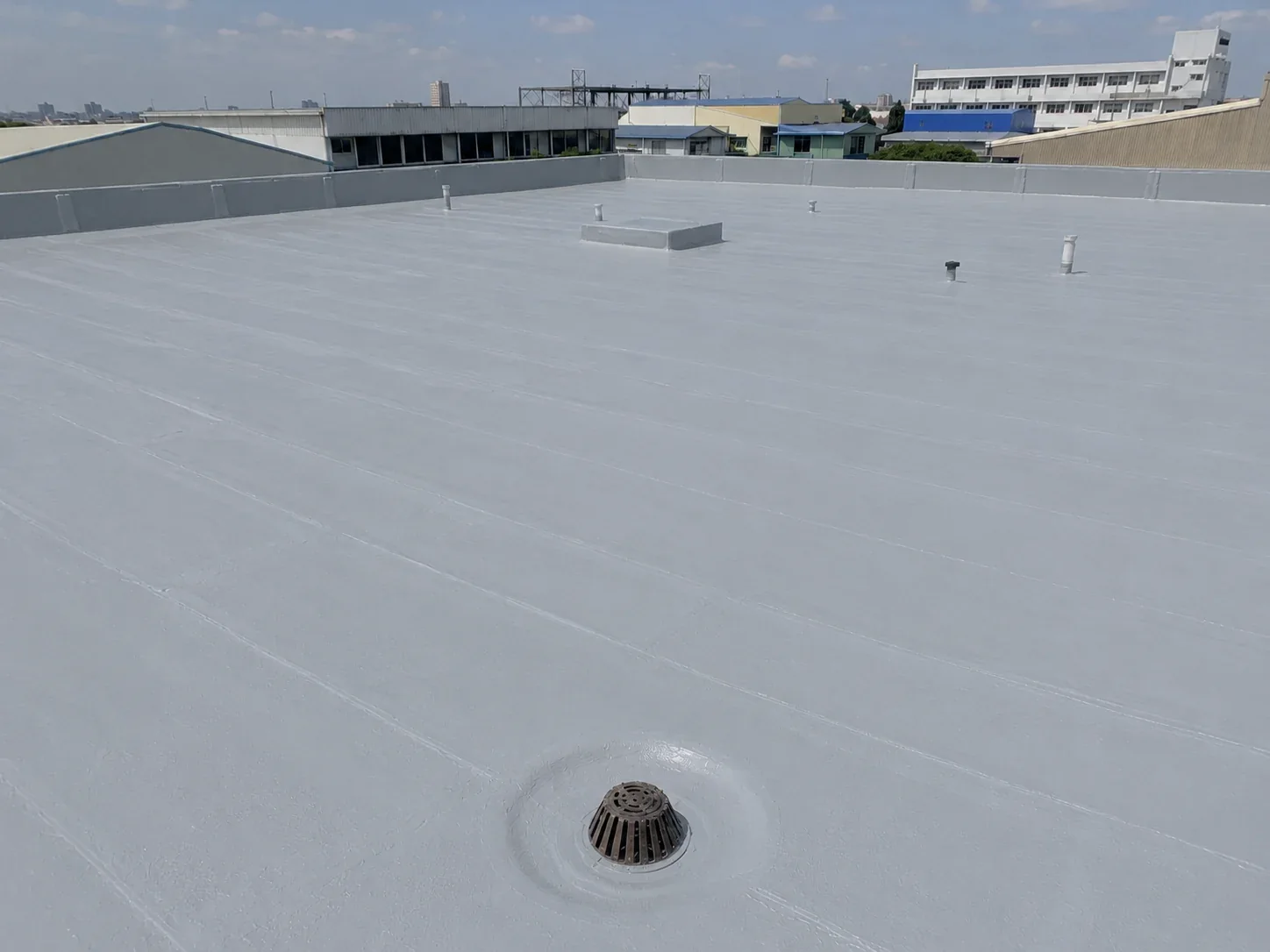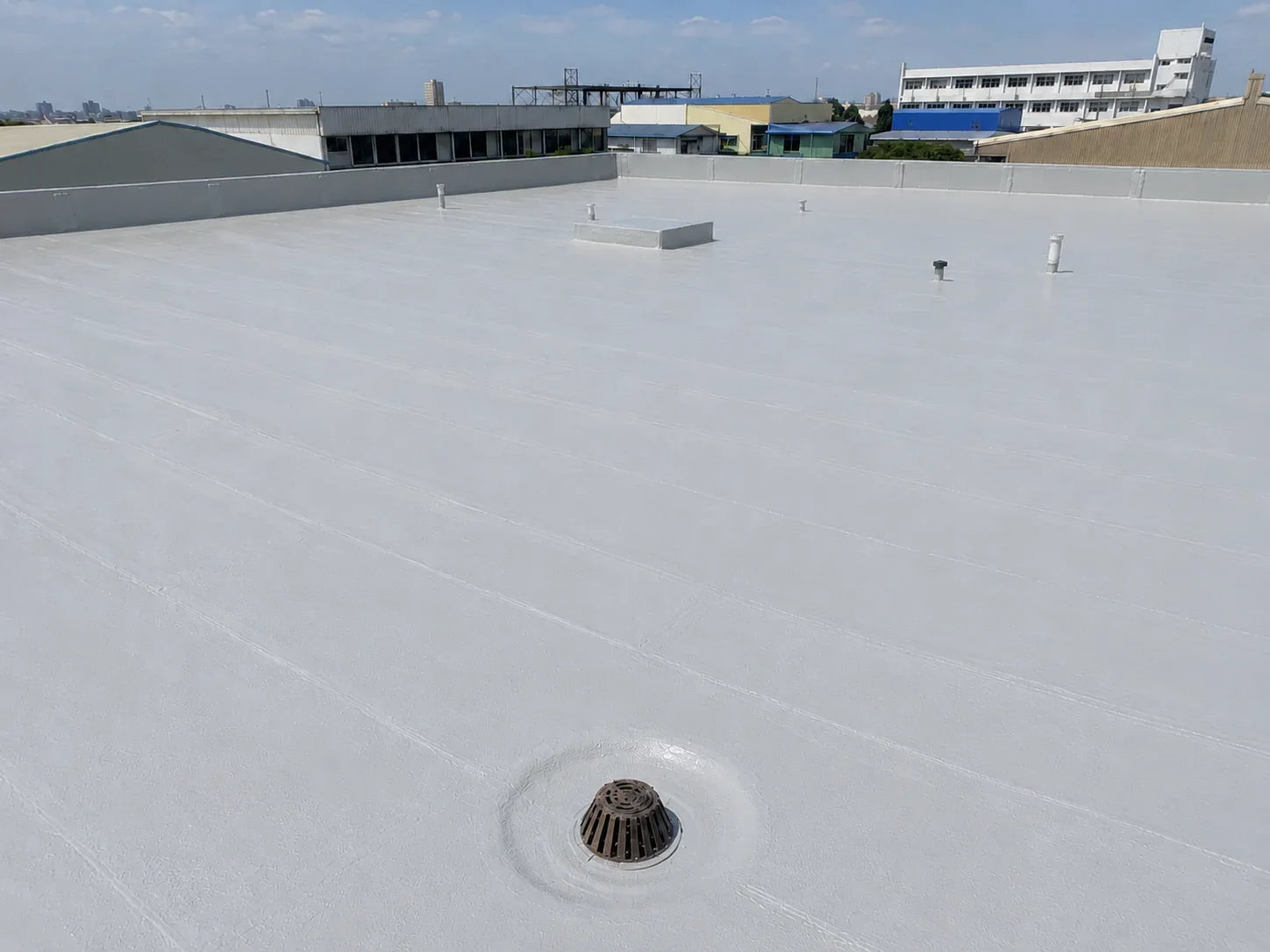
Old waterproofing membrane overlay renovation

Hand-Applied Polyurea
Old Waterproofing Layer
Overlay Renovation System

A hand-applied polyurea overlay renovation system for prepared old waterproofing layers, designed to help restore continuous waterproofing protection over aged membranes, repaired details and localized weak areas without fully removing the existing waterproofing layer when project conditions allow.

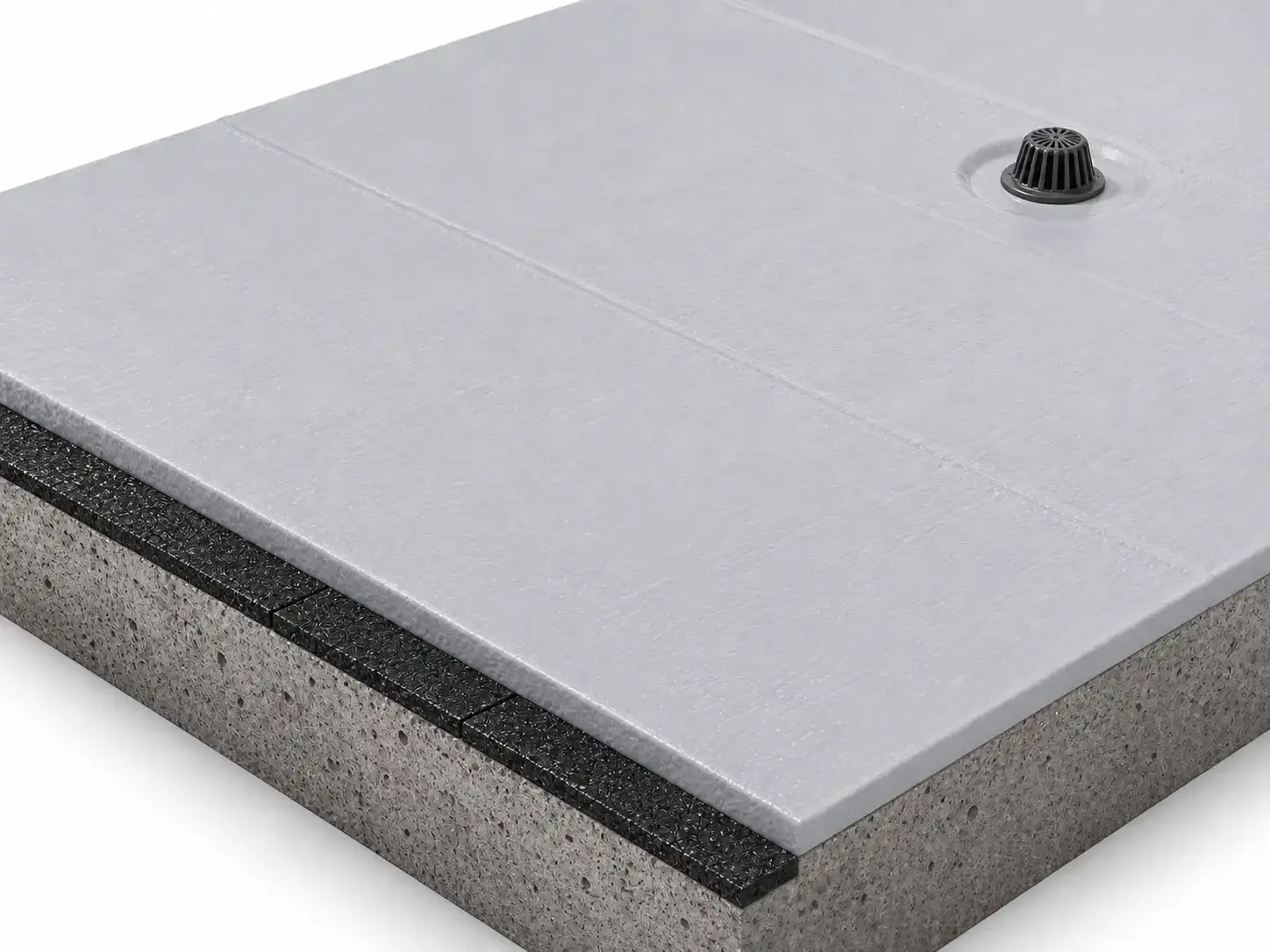
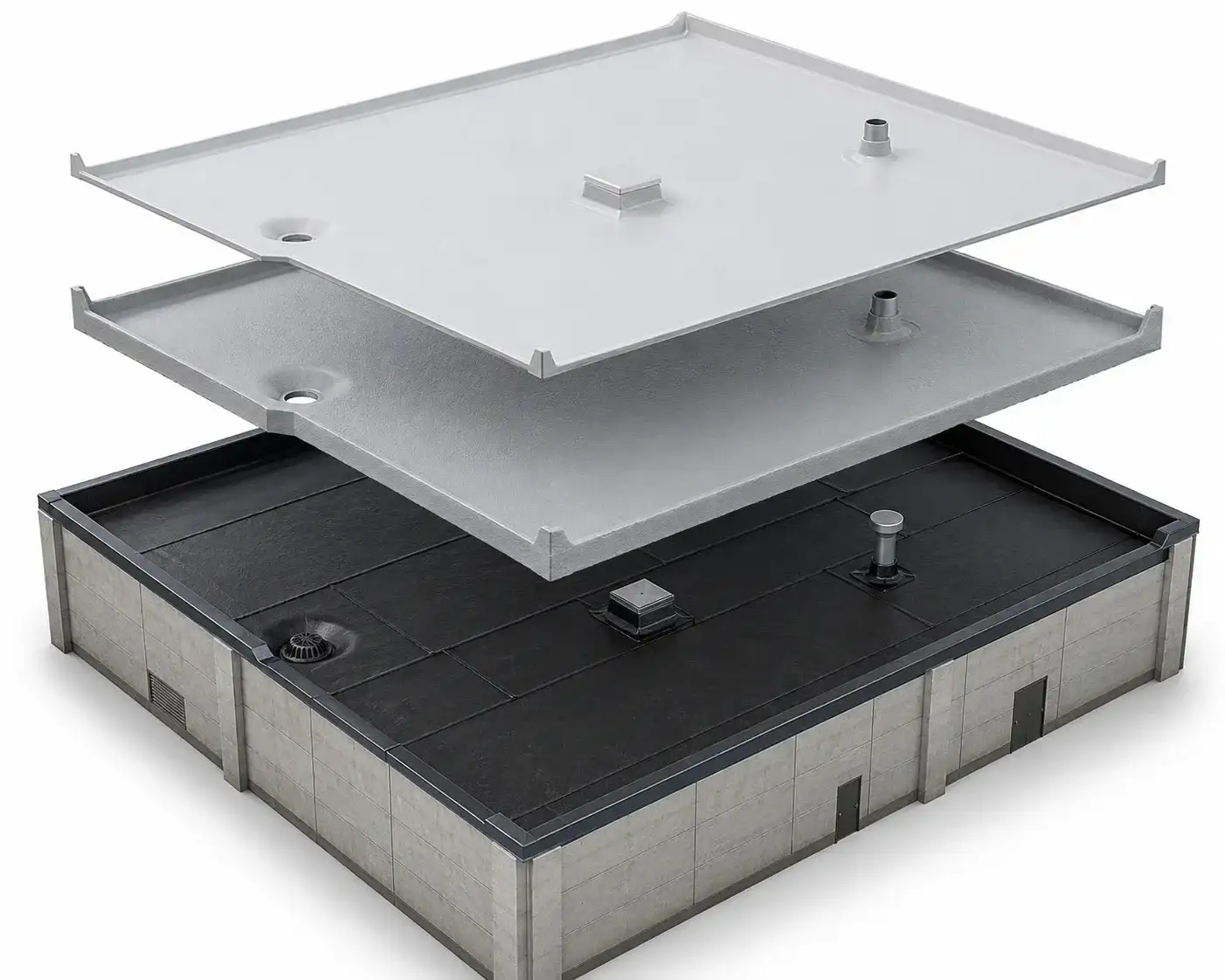
Old waterproofing membrane overlay renovation system with polyester fabric reinforcement, BW6-9528 hand-applied polyurea membrane and BW0-8029 exposed topcoat

Renovation build-up

Overlay Renovation Build-Up

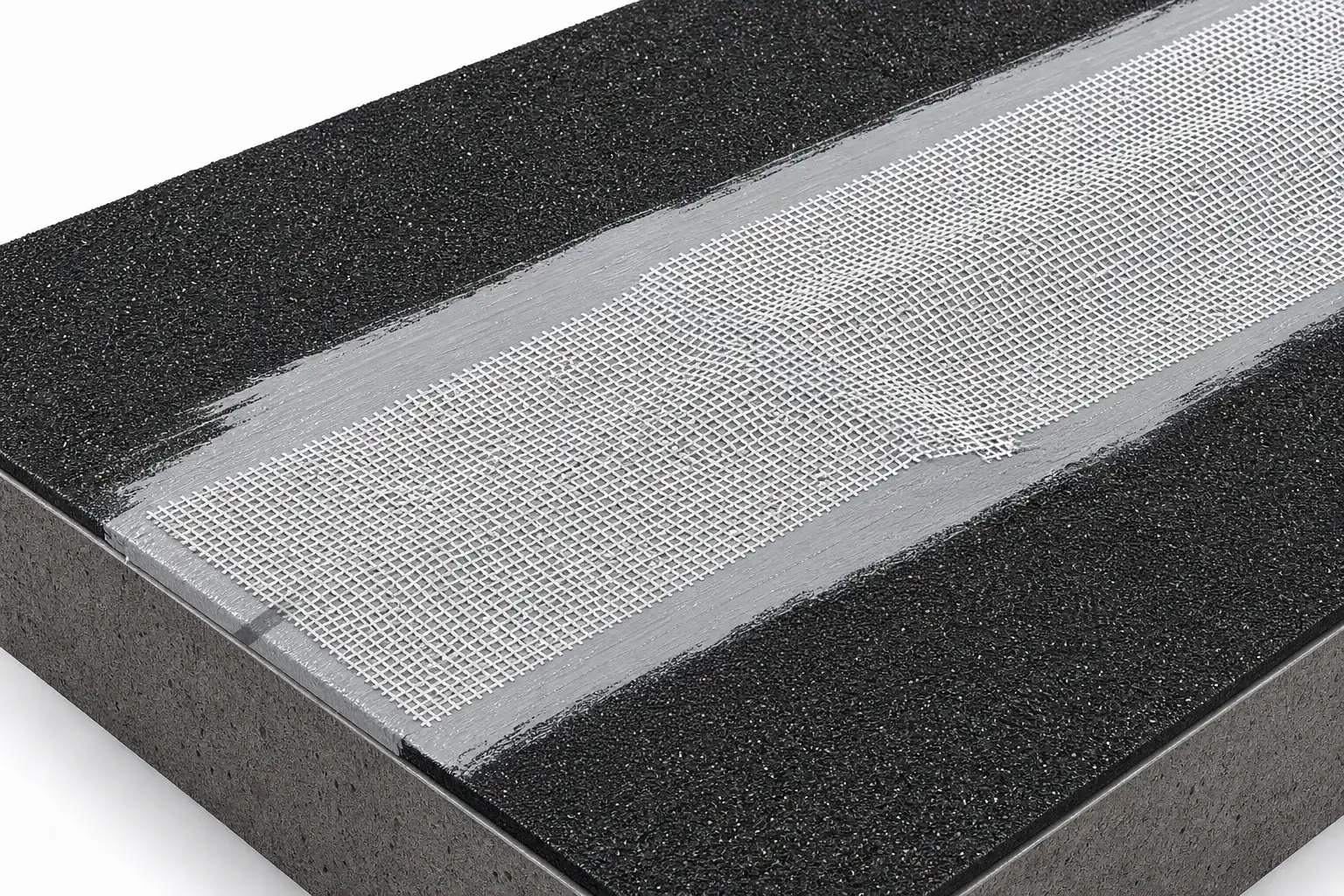
BW6-9528 wet coat, polyester fabric reinforcement, full-area BW6-9528 main membrane and BW0-8029 protective topcoat are reviewed as the key application layers. Polyester fabric is reinforcement material, not an independent coating layer for DFT calculation.

  1. 01
    BW6-9528 Wet Coat

    Wet detail coat at seams, laps, cracks and weak detail zones

  2. 02
    Polyester Fabric Reinforcement

    Embedded reinforcement material for repaired details, not a coating DFT layer

  3. 03
    BW6-9528 Main Membrane

    Full-area hand-applied polyurea waterproof membrane

  4. 04
    BW0-8029 Topcoat

    Exposed polyaspartic protective topcoat

Layer function

What Each Layer Solves

Each application layer has a specific job: BW6-9528 with embedded polyester fabric reinforces repaired detail zones, BW6-9528 forms the main continuous hand-applied waterproofing membrane, and BW0-8029 protects the exposed membrane surface.

Polyester fabric reinforcement for old waterproofing membrane overlay renovation with BW6-9528 and BW0-8029 topcoat planning
01

BW6-9528 Wet Coat + Polyester Fabric

Reinforces repaired details and weak points.

Main Function
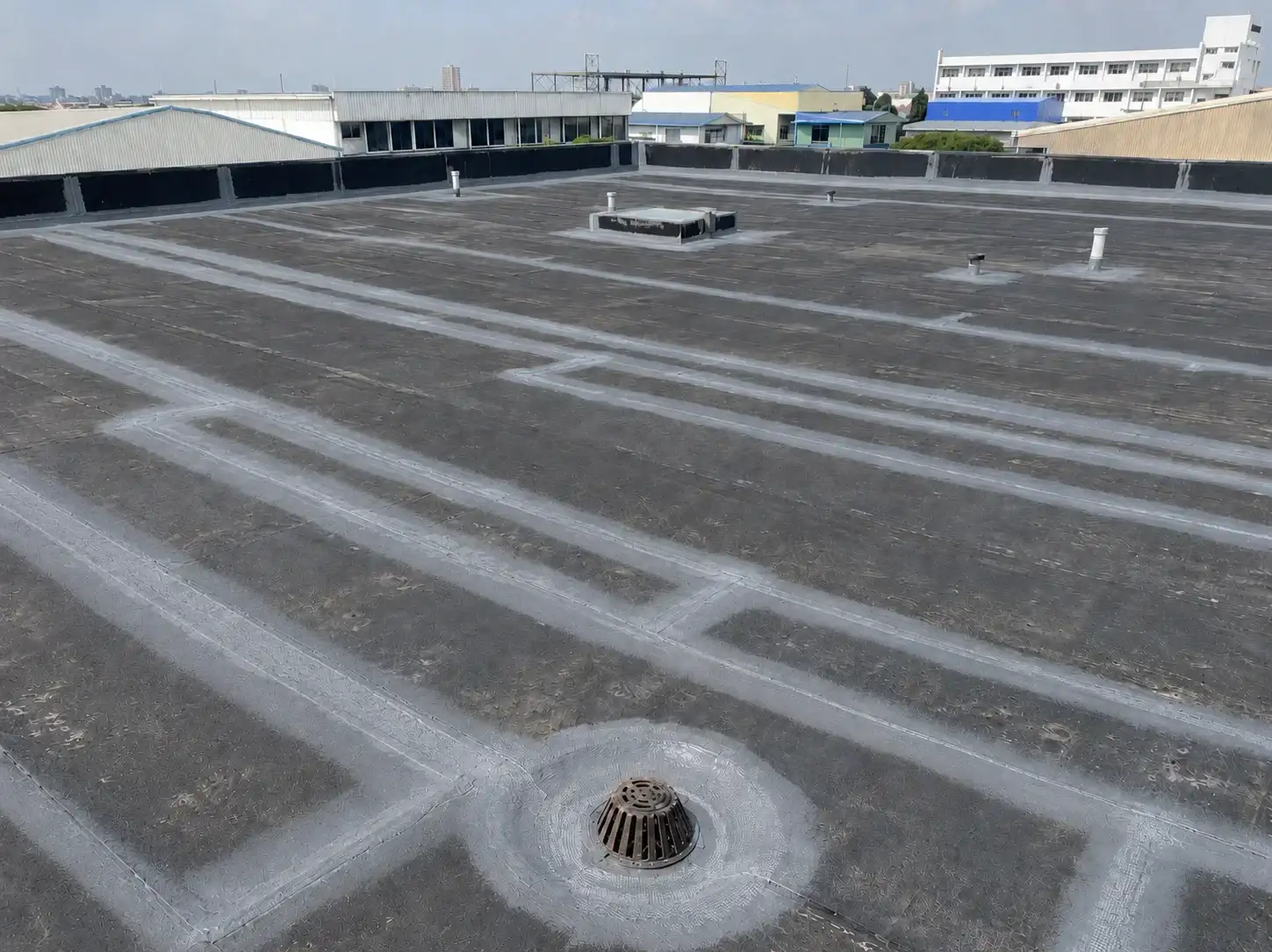
Uses a wet BW6-9528 coat with embedded polyester fabric to reinforce seams, laps, cracks and repaired detail zones before full-area membrane application.
What It Solves
Old laps, repaired cracks, drains, pipe roots, parapet corners, equipment bases and localized weak areas where movement or edge failure may start.
Key Advantage
Helps improve detail continuity before the main hand-applied waterproofing membrane is applied.
Full-area BW6-9528 hand-applied polyurea membrane for old waterproofing membrane overlay renovation before BW0-8029 topcoat
02

BW6-9528 Hand-Applied Polyurea Waterproofing Membrane

Forms the main overlay waterproofing membrane.

Main Function
Forms the main continuous hand-applied polyurea waterproofing membrane over the prepared old waterproofing layer.
What It Solves
Leakage paths around repaired cracks, laps, drains, pipe roots, parapet corners, equipment bases and localized weak areas.
Key Advantage
Hand application helps treat repair zones, details and projects where spray equipment is not convenient.
Old waterproofing membrane overlay renovation build-up with polyester fabric reinforcement, BW6-9528 membrane and BW0-8029 exposed topcoat protection
03

BW0-8029 Protective Topcoat

Protects the exposed membrane surface.

Main Function
Provides exposed protective topcoat support over the hand-applied polyurea waterproofing membrane.
What It Solves
Outdoor UV exposure, weathering, surface aging, color aging, surface wear and maintenance-related exposure.
Key Advantage
Helps improve surface durability, weather resistance and long-term protection of the waterproofing membrane.

Application Stages

How This System Helps Reduce Old Waterproofing Layer Renovation Risks

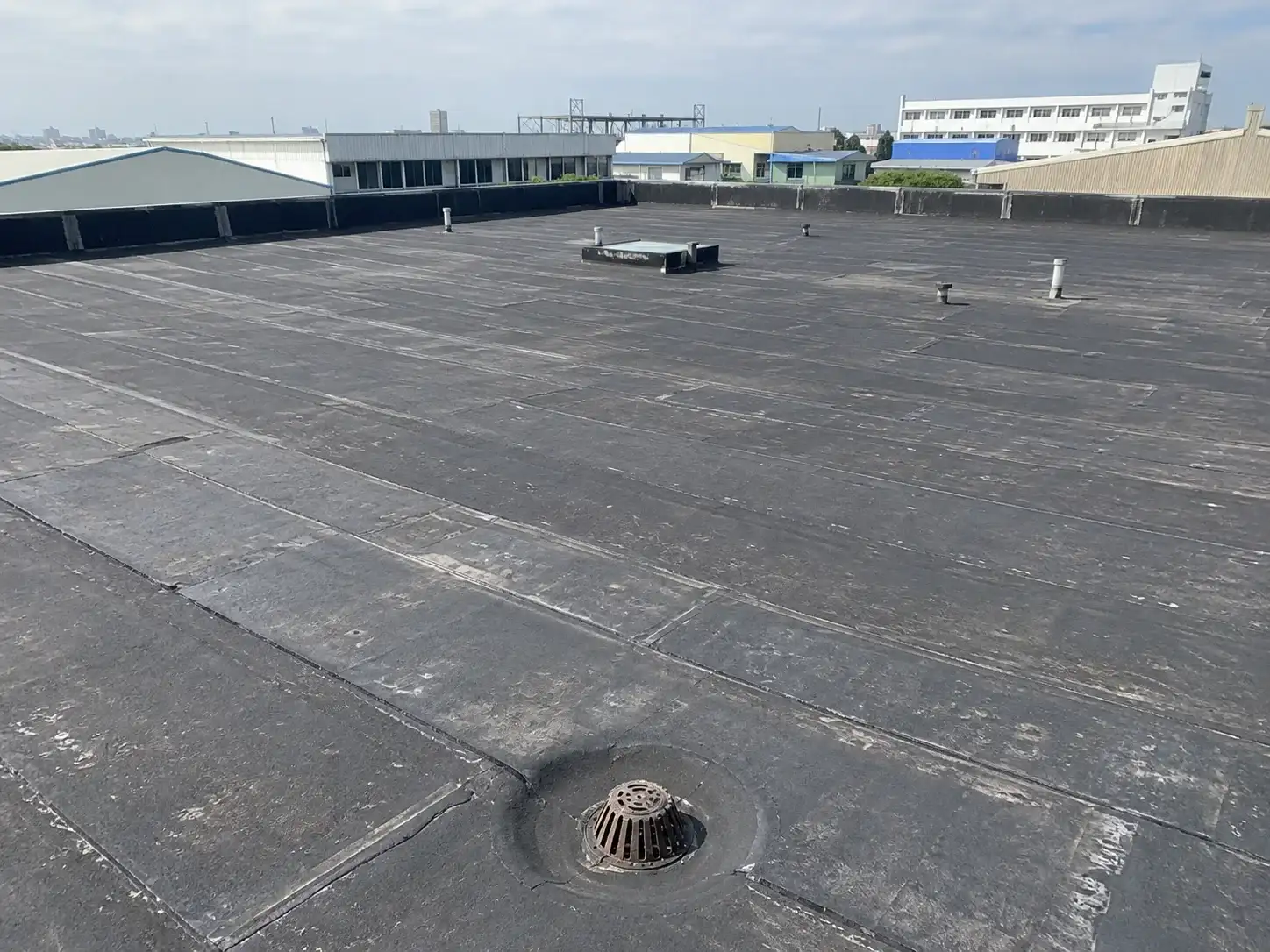
Old waterproofing layer renovation risks often come from aged membranes, brittle or cracked waterproofing layers, weak bonding, dusty or chalking surfaces, old laps, repaired cracks, drains, outlets, pipe roots, parapet corners, equipment bases, local blistering, hollow areas and movement around old joints. This hand-applied polyurea overlay renovation system helps review the existing waterproofing condition, prepare weak areas, form a continuous main waterproofing membrane and add exposed surface protection when project conditions allow.

Existing waterproofing membrane cleaned and repaired surface for old waterproofing membrane overlay renovation with BW6-9528 and BW0-8029
01

Old Waterproofing Layer Inspection and Preparation

Inspect the existing waterproofing layer for aging, cracks, brittle areas, blisters, hollow zones, loose coating, dust, oil, old laps, drains, outlets, pipe roots, parapet corners and equipment bases. Weak, loose or incompatible areas should be removed or repaired before overlay coating work.

Reference: confirm old waterproofing condition, adhesion risk, moisture condition, repair scope and detail readiness before product coating work.
02

BW6-9528 Detail Reinforcement with Polyester Fabric

Apply BW6-9528 as a wet detail coat at seams, laps, repaired cracks, drains, pipe roots, parapet corners, equipment bases and localized weak areas, then embed polyester fabric into the wet coating where reinforcement is required. Keep the fabric flat and fully wetted without wrinkles, hollow spots or loose edges.

Reference: BW6-9528 wet coat and embedded polyester fabric reinforcement are project-specific at detail zones; consumption depends on joint length, fabric overlap, crack treatment, repair scope and detail geometry. BW6-9528 packaging for wet-set polyester fabric reinforcement in old waterproofing membrane overlay renovation Product usedView BW6-9528 ->
BW6-9528 wet coat at old waterproofing membrane overlay renovation detail before polyester fabric reinforcement and BW0-8029 topcoat
Full-area BW6-9528 hand-applied polyurea membrane for old waterproofing membrane overlay renovation with polyester fabric reinforcement and BW0-8029 topcoat
03

Full-Area BW6-9528 Hand-Applied Polyurea Membrane

Apply BW6-9528 as the main continuous hand-applied waterproofing membrane over the prepared old waterproofing layer. The membrane should continuously cover repaired cracks, laps, drains, pipe roots, parapet corners, equipment bases and localized weak details.

System reference: not less than 1.2 mm DFT / about 1.80 kg/m2 planning consumption, calculated from BW6-9528 product data theoretical coverage of 0.75 kg/m2 at 500 um thickness. BW6-9528 packaging for old waterproofing membrane overlay renovation with polyester fabric reinforcement and BW0-8029 topcoat system Product usedView BW6-9528 ->
04

BW0-8029 Polyaspartic Exposed Topcoat

Apply BW0-8029 over the main waterproofing membrane to support UV exposure, weathering resistance, surface durability, color stability and maintenance when the renovated surface is exposed. BW0-8029 is the protective topcoat and does not replace the BW6-9528 main waterproof membrane.

System reference: about 120 um total DFT / about 0.20 kg/m2 planning consumption, calculated from BW0-8029 product data theoretical coverage of 0.10 kg/m2 at 60 um DFT. Final topcoat design should be adjusted according to exposure, color requirement and project specification. BW0-8029 topcoat packaging for old waterproofing membrane overlay renovation with BW6-9528 and polyester fabric reinforcement Product usedView BW0-8029 ->
BW0-8029 exposed topcoat for old waterproofing membrane overlay renovation over BW6-9528 membrane and polyester fabric reinforcement details

Technical data center

Technical Data Center

Key technical parameters extracted from BW6-9528 hand-applied polyurea waterproof protective coating and BW0-8029 exposed polyaspartic topcoat product data.

BW6-9528 Hand-Applied Membrane Key Data

ItemTest standard / referenceResult
Product type Product data reference One-component hand-applied polyurea waterproof protective coating
Application methods Application guide Brush, roller or high-pressure airless spray
Theoretical coverage Product data reference 0.75 kg/m2 at 500 um thickness
Recommended DFT Product data reference 300-1000 um
System main membrane planning Old waterproofing layer overlay renovation Not less than 1.2 mm DFT / about 1.80 kg/m2 planning consumption
Detail reinforcement planning System planning BW6-9528 wet coat with embedded polyester fabric at seams, laps, cracks, drains, pipe roots, parapet corners, equipment bases and repaired zones; consumption is project-specific
Tensile strength ASTM D-412 17 MPa
Elongation ASTM D-412 400%
Adhesion HG / T 3831-2006 8 MPa steel base / 3.3 MPa concrete base
Salt spray 2000 h No rust, no bubbles, no peel off
Service life reference System planning Designed to support up to 20 years under proper old layer preparation, application and maintenance conditions

BW0-8029 Exposed Topcoat Key Data

ItemTest standard / referenceResult
Product type Product data reference Elastic polyaspartic exposed protective topcoat
Theoretical coverage Product data reference 0.10 kg/m2 at 60 um DFT
Recommended DFT Product data reference 30-60 um
System topcoat planning Old waterproofing layer overlay renovation About 120 um total DFT / about 0.20 kg/m2 planning consumption
Tensile strength ASTM D-412 20 MPa
Elongation rate ASTM D-412 200%
Accelerated aging GB / T 14522-1993, 1000 h Loss of light <1; chalking <1
Waterproof 48 h No bubbles, wrinkles, color change or peeling
Application methods Application guide Brush, roller, air spray or airless spray

Technical values are extracted from product detail data and should be used as planning references. Final material selection, old membrane compatibility, film thickness, polyester fabric reinforcement scope, initial setting time, consumption and application conditions should be confirmed according to project requirements, site temperature, humidity, coating condition and the latest technical data sheet.

Renovation control

Application & Quality Control

Quality control should focus on old membrane readiness, compatibility, BW6-9528 wet detail coat, immediately embedded polyester fabric, BW6-9528 membrane continuity and BW0-8029 exposed topcoat condition before handover.

01

Existing Membrane Readiness

Confirm that the old waterproofing membrane can be retained before overlay coating.

  • Membrane type and age
  • Cleaning and drying
  • Compatibility check
  • Loose, hollow, lifted or failed areas
02

Wet Coat and Fabric Reinforcement

Control one wet coat of BW6-9528 and immediate polyester fabric embedding around weak and detail zones.

  • Seams, laps and cracks
  • Drains and parapet upturns
  • Pipe roots and penetrations
  • Wrinkles, hollow spots or loose edges
03

Membrane and Topcoat Review

Review continuous BW6-9528 waterproofing and BW0-8029 exposed-surface protection before handover.

  • Main membrane thickness
  • Continuous film
  • Topcoat coverage
  • Final inspection records
Inspection focus
  • Old waterproofing membrane inspection
  • Compatibility check
  • BW6-9528 wet detail coat
  • Immediate polyester fabric embedding
  • BW6-9528 membrane continuity
  • BW0-8029 exposed topcoat finish

Suitable roof conditions

Suitable Roof Conditions

Use this section to check whether the project fits an existing waterproofing membrane overlay renovation system before final specification.

  1. 01

    Old Waterproofing Membrane Overlay Renovation

    Existing waterproofing membrane overlay renovation can be reviewed after inspection, cleaning, drying, repair and compatibility review confirm that retained areas are suitable for coating.

    Check before specification: membrane type / adhesion / compatibility

  2. 02

    Local Cracks, Seams, Laps and Leakage Zones

    Local cracks, seams, laps and leakage zones can be treated by applying a BW6-9528 wet coat and immediately embedding polyester fabric reinforcement at the detail area.

    Check before specification: cracks / seams / laps / leakage

  3. 03

    Roof Drains, Parapets and Penetrations

    Drains, parapet upturns, pipe roots, penetrations and equipment bases are detail zones that need wet-coat reinforcement, fabric embedment and continuity review.

    Check before specification: drains / parapets / penetrations / bases

  4. 04

    Exposed Overlay Renovation

    Exposed old membrane roof renovation requiring UV-resistant surface protection can use BW0-8029 as the exposed polyaspartic topcoat over the BW6-9528 main membrane.

    Check before specification: UV exposure / color / topcoat finish

  5. 05

    Projects Without Plural-Component Spray Equipment

    Small or medium repair projects can be reviewed when brush, roller or high-pressure airless spray application is preferred over specialized plural-component spray equipment.

    Check before specification: site access / equipment / repair scale

Do not assume every old membrane can be directly covered. The existing membrane must be inspected, cleaned, dried, repaired and compatibility checked. Loose, hollow, lifted, cracked or failed areas must be removed or repaired.

Review before quotation

Review Before Quotation

Share the old waterproofing membrane condition and overlay renovation targets so the BW6-9528 + polyester fabric reinforcement + BW0-8029 system can be reviewed before material planning.

Prepare the old roof basics first.

A useful overlay renovation quotation starts with old membrane type, failure zones, detail conditions and exposure requirements, not only the roof area.

Photos or drawings of cracks, seams, laps, drains, parapets, penetrations, equipment bases and leakage points can help review the build-up faster.

  • Roof area
  • Existing waterproofing type
  • Age of existing layer
  • Leakage points
  • Hollow / loose / failed zones
  • Cracks / seams / laps
  • Drain / parapet / penetration details
  • Equipment bases
  • Photos or drawings
  • Exposure condition
  • Project location
  • Construction timeline
  • Target service life

After these details are ready, use the inquiry form below to request an old waterproofing membrane overlay renovation system review.

FAQ

FAQ

Common questions about using BW6-9528 detail reinforcement, BW6-9528 main membrane and BW0-8029 topcoat for old waterproofing layer overlay renovation.

What is this hand-applied old waterproofing layer renovation system used for?

It is used for prepared old waterproofing layers where project conditions allow an overlay renovation route using BW6-9528 detail reinforcement, BW6-9528 main hand-applied membrane and BW0-8029 exposed protective topcoat.

Can it be applied over every old waterproofing membrane?

No. The existing waterproofing layer must be inspected for membrane type, aging, adhesion, moisture, compatibility, loose areas, blistering, hollow zones and failed details before overlay work is selected.

What old waterproofing layer conditions must be checked first?

Aged or brittle membrane areas, cracks, laps, dusting or chalking surfaces, drains, outlets, pipe roots, parapet corners, equipment bases, blisters, hollow zones and movement around old joints should be checked first.

Which product forms the main waterproofing membrane?

BW6-9528 forms the main continuous hand-applied polyurea waterproofing membrane in this overlay renovation system. The system reference is not less than 1.2 mm DFT / about 1.80 kg/m2 planning consumption.

Why is detail reinforcement needed before the main membrane?

A wet BW6-9528 coat with embedded polyester fabric can be used at seams, laps, repaired cracks, drains, pipe roots, parapet corners and other weak details to help improve continuity before the main membrane is applied.

Which details need special attention in old waterproofing renovation?

Old laps, repaired cracks, drains, outlets, pipe roots, parapet corners, equipment bases, local blistering, hollow areas and movement around old joints need special attention.

What is the expected service life of this overlay renovation system?

Based on laboratory testing and practical project verification, this old waterproofing layer overlay renovation system is designed to support up to 20 years of service life when properly installed over suitable prepared waterproofing substrates and maintained according to project requirements.

How is this hand-applied renovation system different from spray polyurea renovation?

This system uses hand-applied BW6-9528 for detail reinforcement and the main membrane, making it suitable for repair zones, small or medium renovation areas and projects where spray equipment is not convenient.